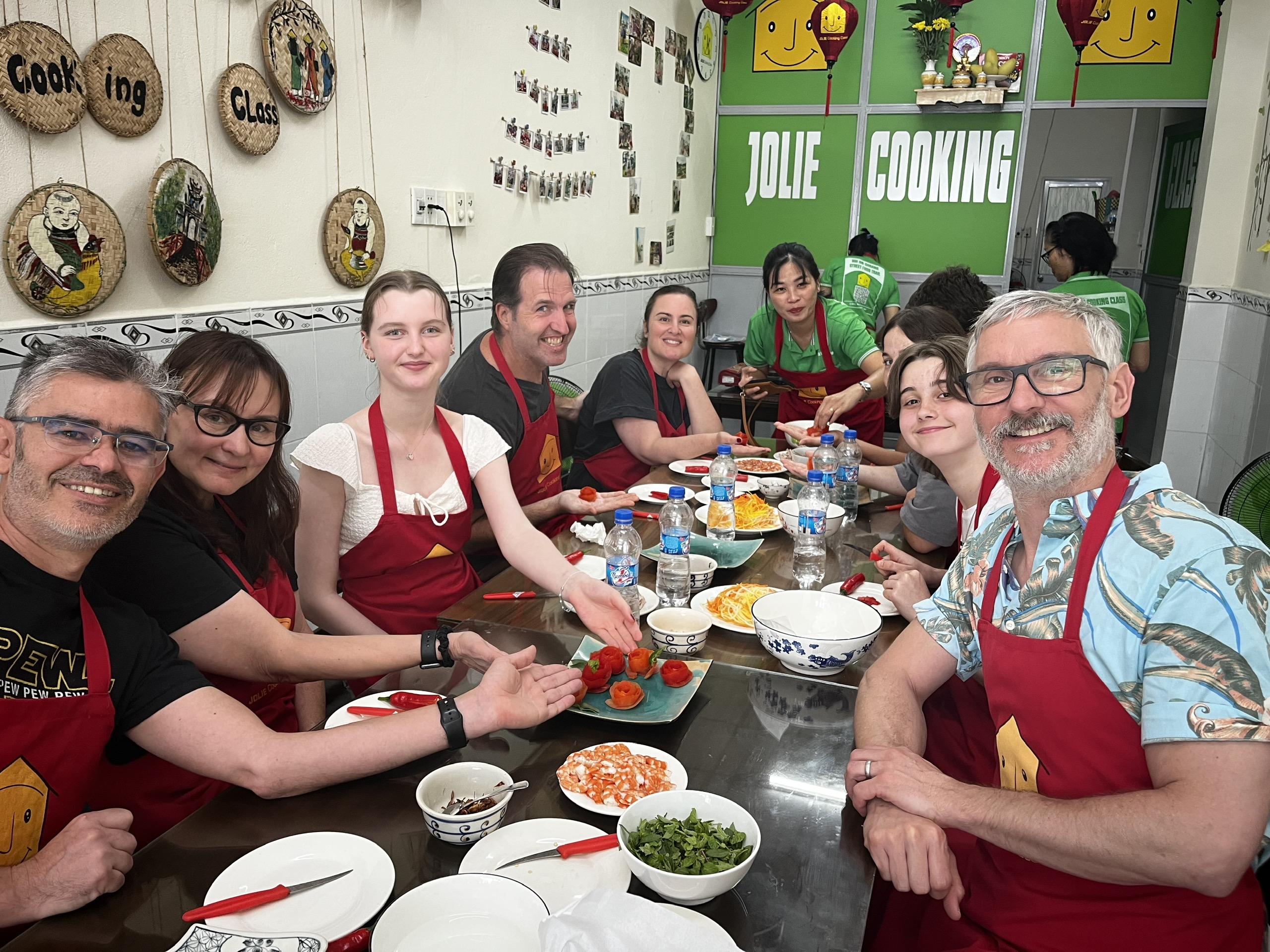
 Traditional Vietnamese dishes prepared during a Da Nang cooking class
One of the best ways to experience Vietnamese culture is through its food. While tasting local dishes is enjoyable, learning how to prepare them yourself offers a much deeper connection to the traditions and flavors of Vietnam.
A Da Nang cooking class gives visitors the opportunity to work with fresh local ingredients, discover traditional cooking techniques, and prepare some of Central Vietnam’s most iconic dishes.
If you’re planning to join a cooking class, here are some of the must-try dishes you should look forward to learning.
Mi Quang
Mi Quang is one of the most famous dishes in Central Vietnam and a true symbol of the region’s culinary identity.
The dish features turmeric-colored rice noodles, fresh herbs, peanuts, rice crackers, and a small amount of rich broth.
Learning to prepare Mi Quang helps visitors understand the balance of textures and flavors that define Vietnamese cuisine.
Banh Xeo
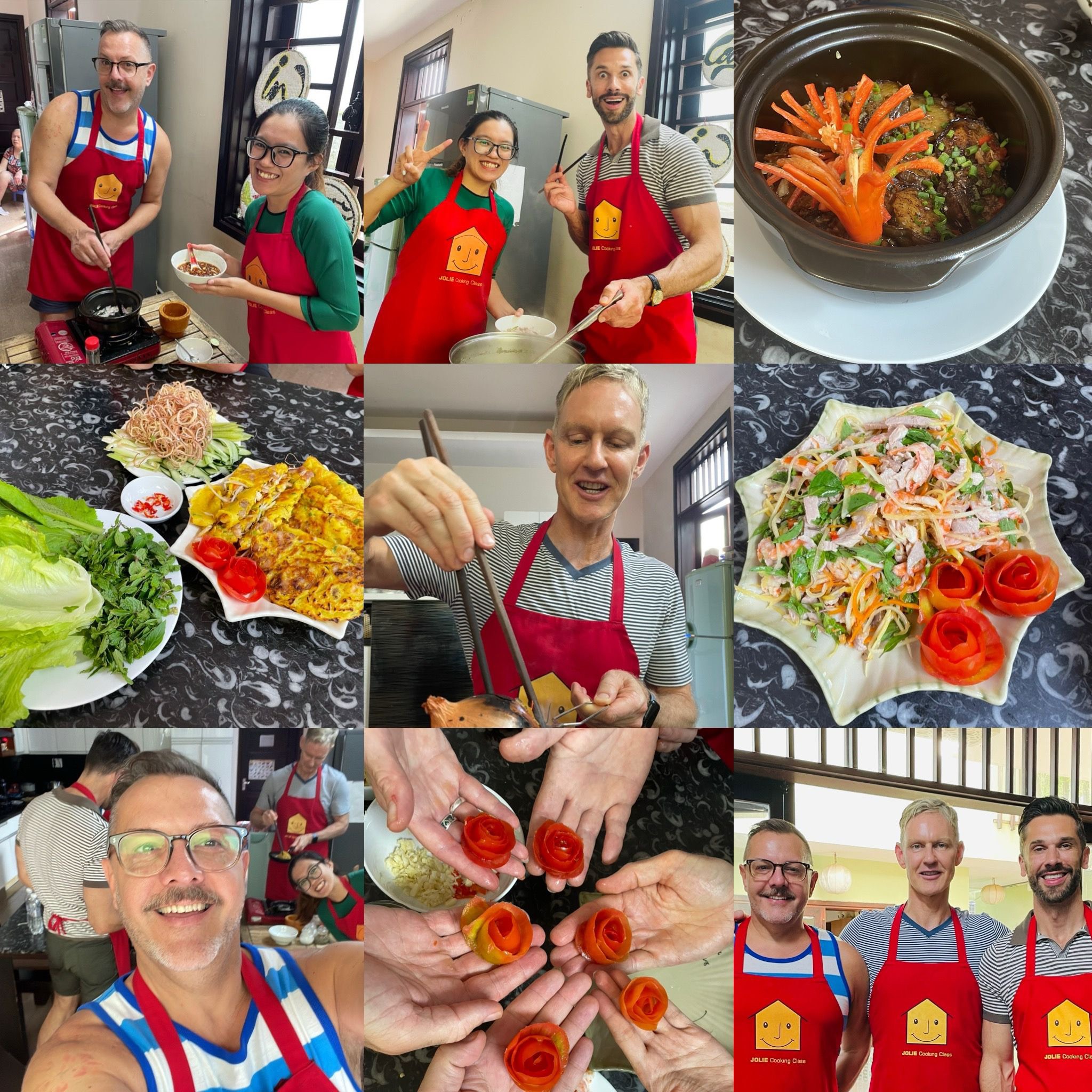
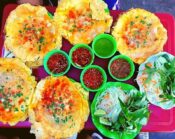
Banh Xeo is a crispy Vietnamese pancake made from rice flour, turmeric, and coconut milk.
Filled with shrimp, pork, and bean sprouts, it is served with fresh herbs and dipping sauce.
During a cooking class, guests learn how to create the perfect crispy texture while mastering the traditional wrapping and dipping techniques.
Fresh Spring Rolls
Fresh spring rolls are among Vietnam’s most recognized dishes.
Made with rice paper, herbs, vegetables, and protein fillings, they demonstrate the importance of freshness and balance in Vietnamese cooking.
Participants also learn how to prepare the accompanying dipping sauces that bring the dish to life.
Vietnamese Dipping Sauces
Many visitors are surprised to discover that sauces play a major role in Vietnamese cuisine.
A cooking class often includes instruction on creating authentic dipping sauces using ingredients such as:
Fish sauce
Lime
Garlic
Chili
Sugar
Understanding these flavor combinations helps guests recreate Vietnamese dishes at home.
Local Market Ingredients
One of the most valuable parts of a cooking class is learning about the ingredients themselves.
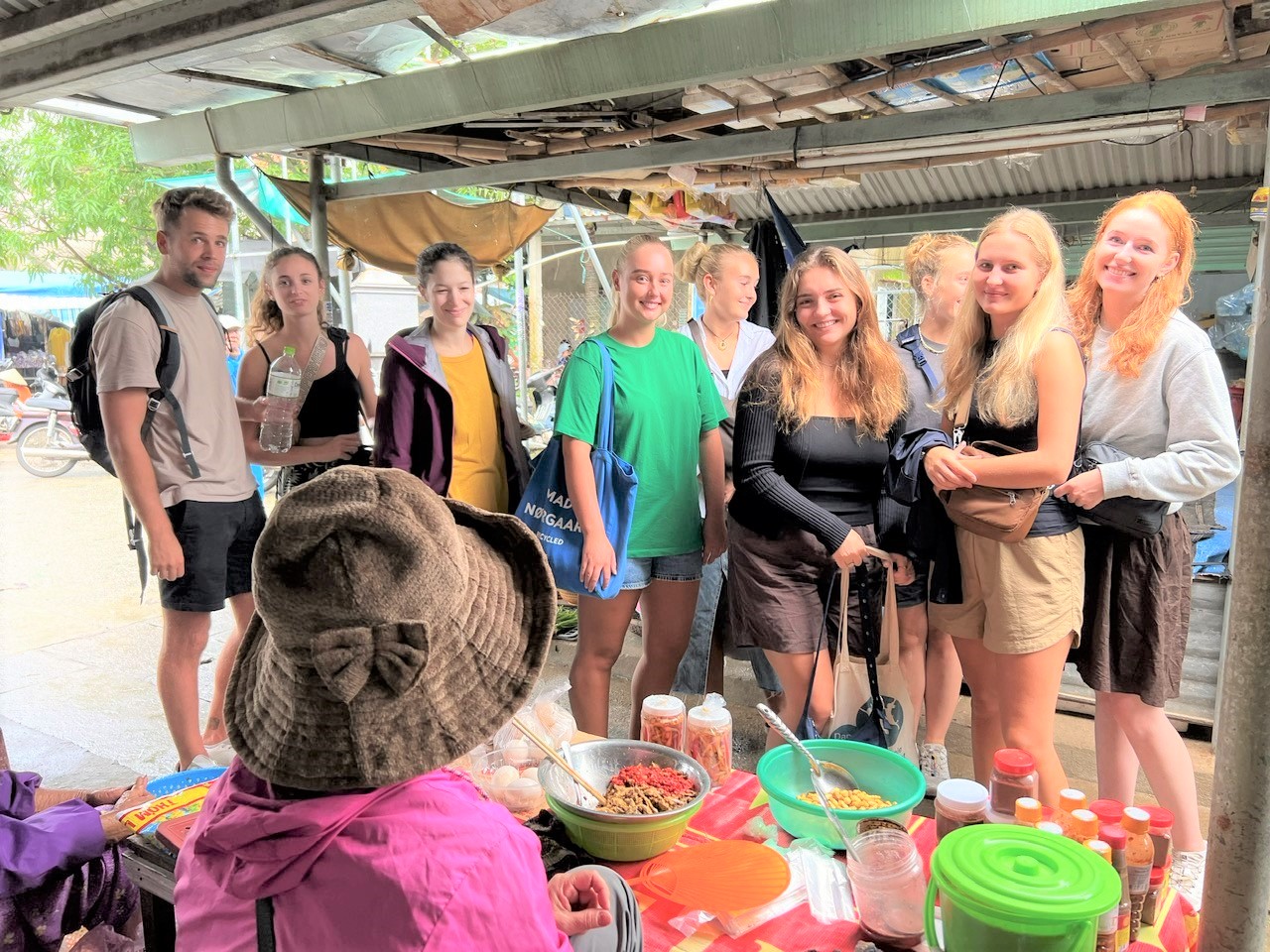
Many classes begin with a visit to a traditional market, where guests discover:
Fresh herbs
Seasonal vegetables
Local spices
Rice products
Seafood
This experience provides important context before cooking begins.
Why Learn These Dishes?
These dishes represent the heart of Vietnamese home cooking.
They are:
Authentic
Practical to recreate at home
Based on fresh ingredients
Rich in cultural significance
By learning how to prepare them, visitors gain more than recipes—they gain a deeper understanding of Vietnamese food culture.
Experience Authentic Cooking with Jolie Cooking Class
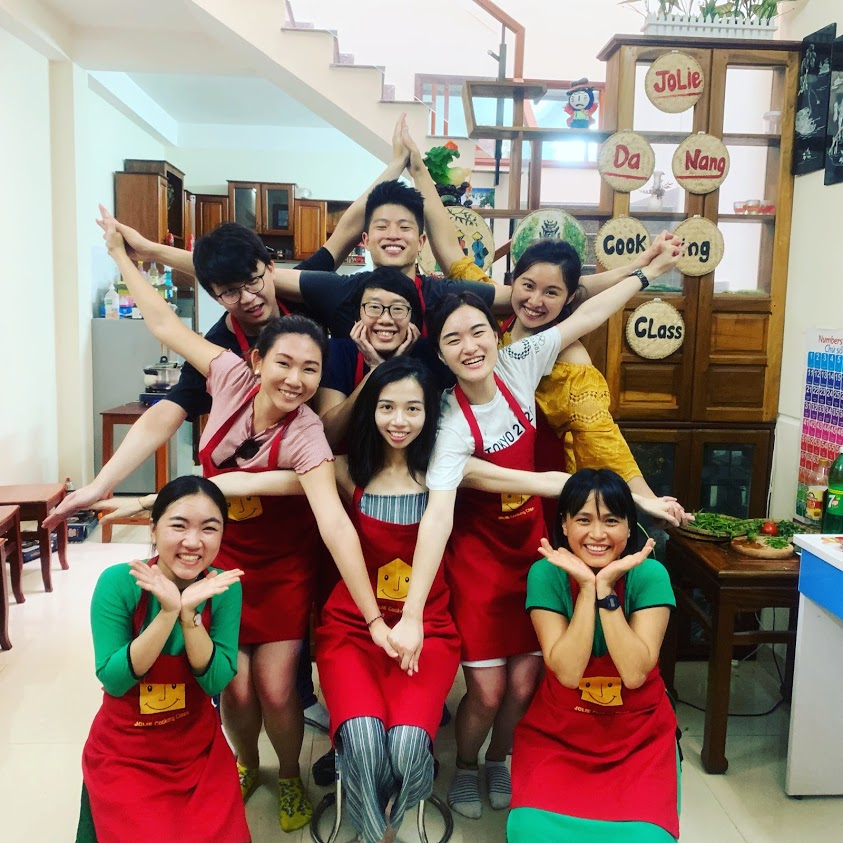
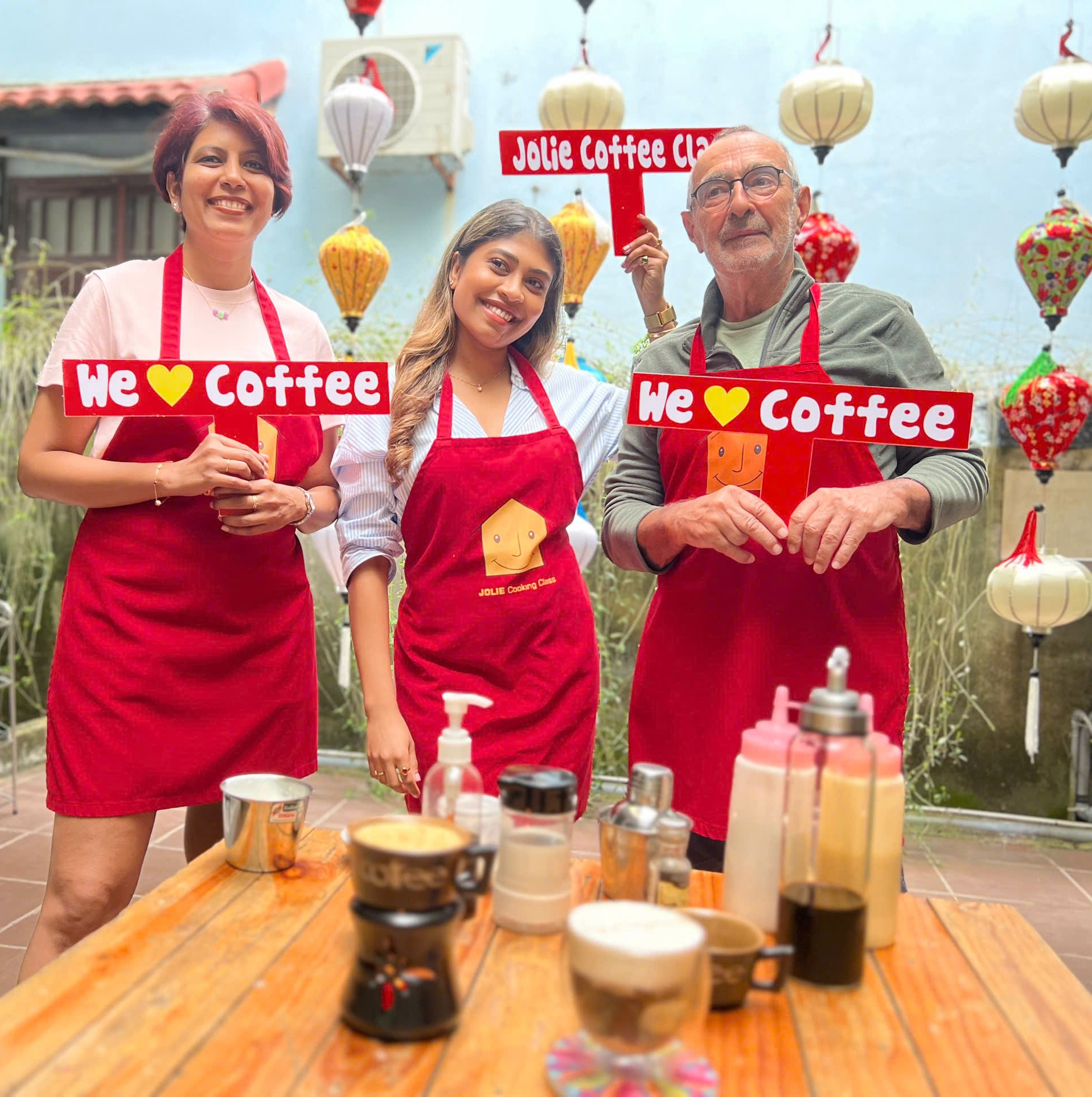
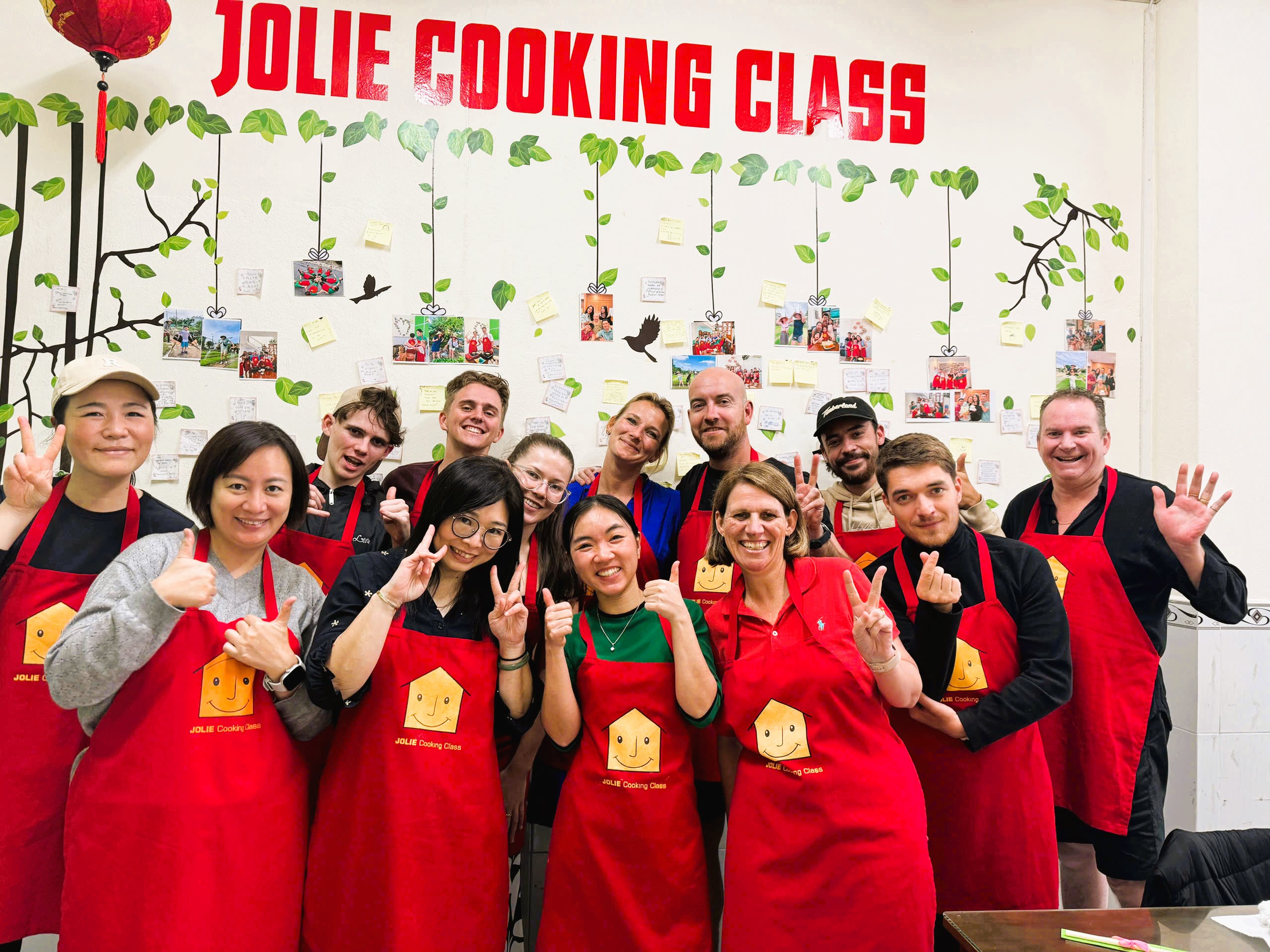
At Jolie Cooking Class, guests learn traditional Vietnamese recipes through a combination of market visits, hands-on instruction, and cultural storytelling.
Our classes focus on authentic local dishes and family cooking traditions that have been passed down through generations.
Whether you’re a beginner or an experienced cook, you’ll leave with new skills, delicious recipes, and unforgettable memories from your time in Da Nang.
Final Thoughts
A Da Nang cooking class is one of the most rewarding experiences for food lovers visiting Central Vietnam.
From preparing Mi Quang and Banh Xeo to learning about local ingredients and cooking techniques, every dish offers insight into the culture and traditions that make Vietnamese cuisine so special.