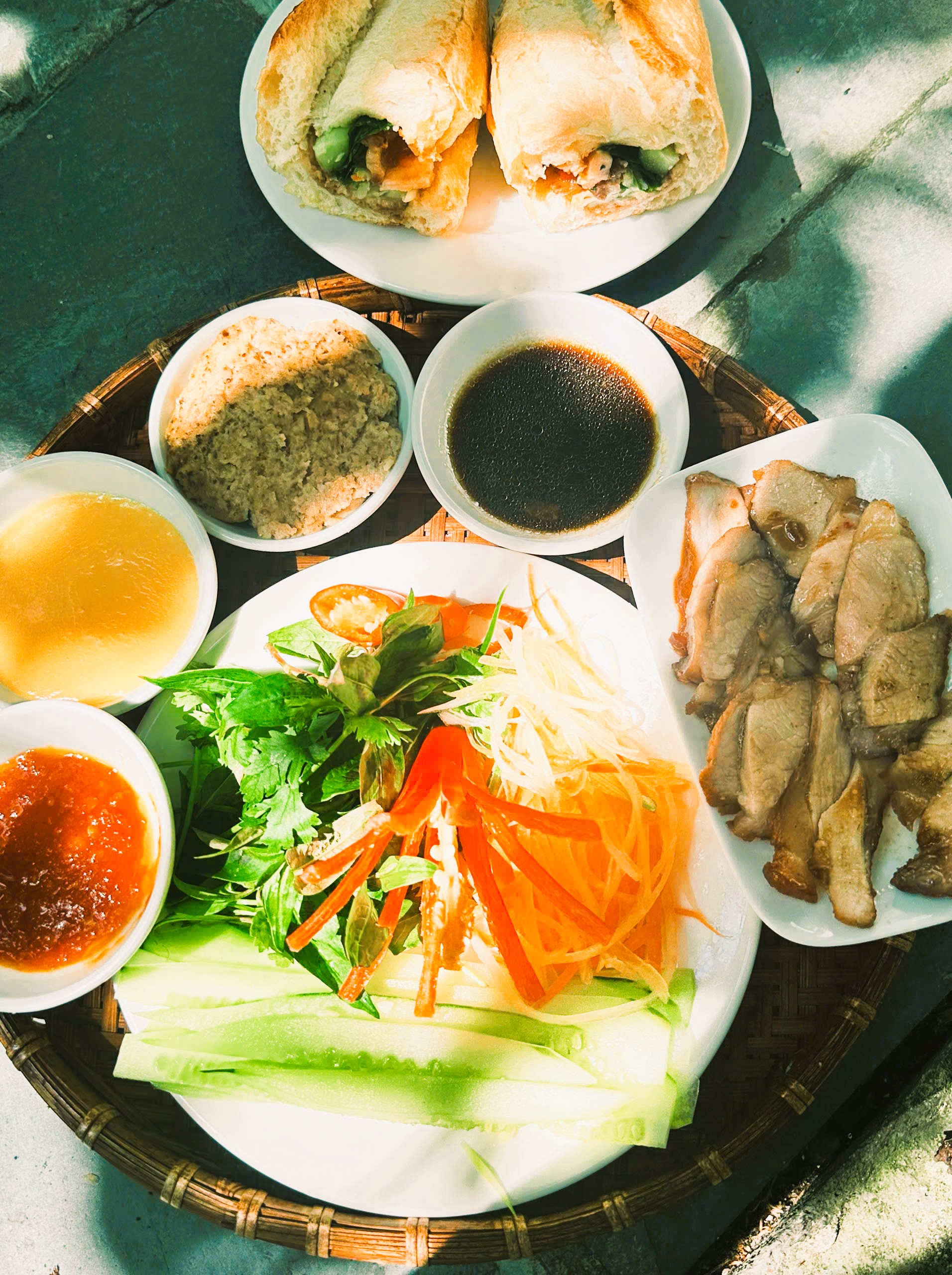
Da Nang is famous for its beautiful coastline and vibrant food culture. While many of the city’s dishes are deeply rooted in Vietnamese traditions, its cuisine has also been shaped by centuries of cultural exchange with neighboring countries.
As an important trading port in Central Vietnam, Da Nang welcomed merchants, travelers, and settlers from across Asia and beyond. Over time, these interactions introduced new ingredients, cooking techniques, and culinary ideas that helped shape the unique flavors found in the region today.
A History of Cultural Exchange
For centuries, Central Vietnam served as an important connection point between different cultures.
Trade routes brought ingredients, spices, and culinary traditions from China and other parts of Asia. Later, French colonial influence introduced new cooking methods and ingredients that became integrated into Vietnamese cuisine.
Rather than replacing local traditions, these influences blended with existing recipes to create the distinctive food culture that visitors experience today.
Chinese Influence on Central Vietnamese Cuisine
Chinese culinary traditions have had a lasting impact on many Vietnamese dishes.
Some of the influences can be seen in:
Noodle-based dishes
Stir-frying techniques
Dumplings and steamed foods
The use of soy sauce and preserved ingredients
Many local specialties in Central Vietnam reflect these influences while maintaining their own unique identity.
For example, dishes such as Mi Quang showcase how regional cooks adapted foreign techniques and ingredients to local tastes.
French Culinary Influence
French influence remains visible throughout Vietnamese cuisine.
One of the most recognizable examples is the baguette, which later evolved into the famous Vietnamese banh mi.
French culinary traditions also introduced:
Bread-making techniques
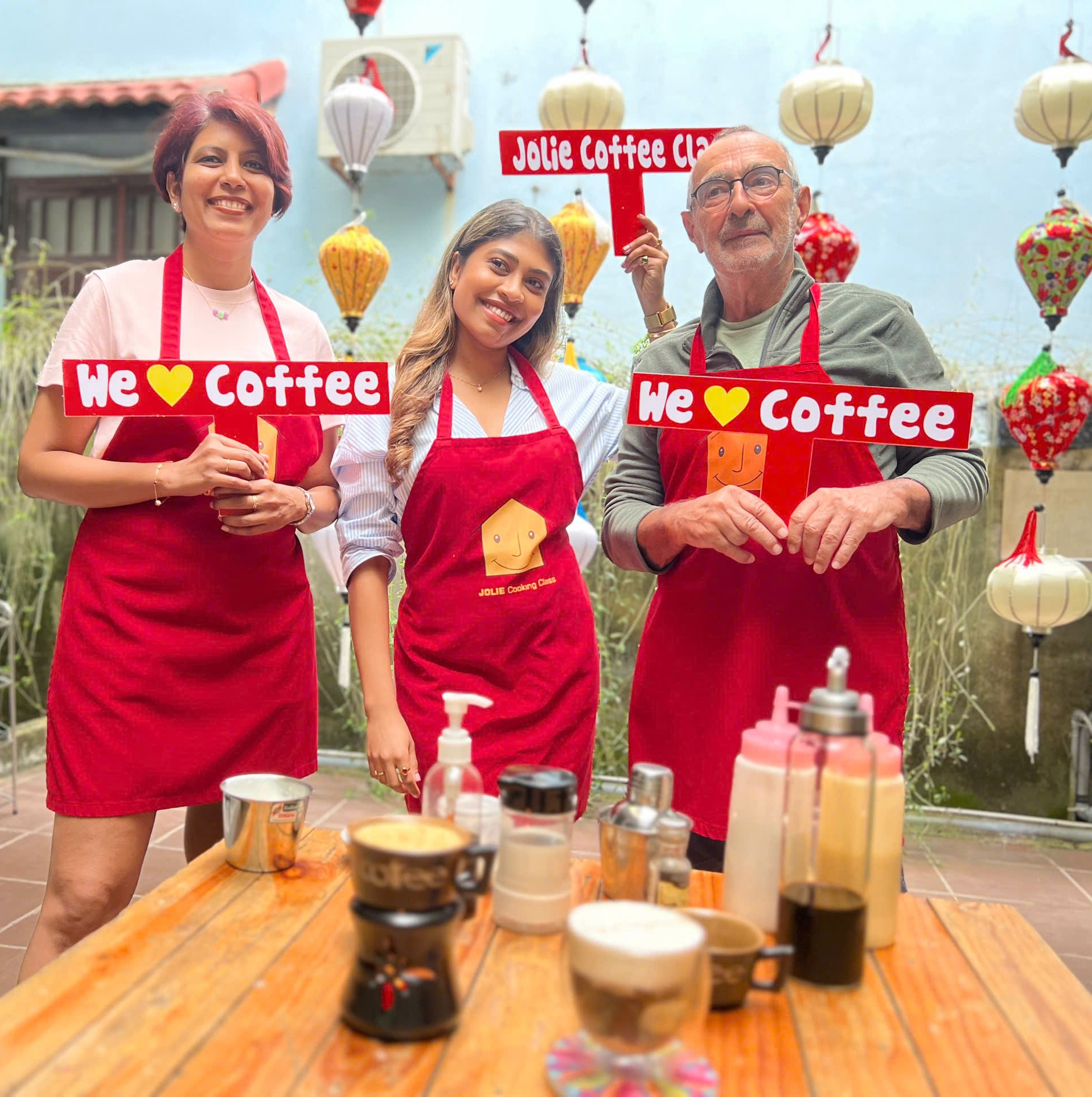
Coffee culture
Certain pastries and desserts
New methods of food preparation
Today, these influences exist alongside traditional Vietnamese dishes, creating a fascinating blend of old and new.
Regional Southeast Asian Connections
Vietnam shares many culinary similarities with neighboring Southeast Asian countries.
Ingredients such as:
Lemongrass
Chili
Fresh herbs
Fish sauce
Lime
are commonly found throughout the region.
These shared ingredients contribute to the fresh and balanced flavors that characterize many dishes in Da Nang and Central Vietnam.
How Da Nang Maintains Its Unique Identity
Despite these outside influences, Da Nang cuisine remains distinctly Vietnamese.
Local cooks continue to rely on family recipes, fresh ingredients, and traditional preparation methods that have been passed down through generations.
Popular dishes such as:
Mi Quang
Bun Cha Ca
Banh Xeo
Fresh seafood specialties
reflect the region’s unique culinary identity while also showcasing the influence of historical cultural exchange.
Discover Local Food Traditions Through Cooking Experiences
One of the best ways to understand the history behind Da Nang’s cuisine is through hands-on experiences.
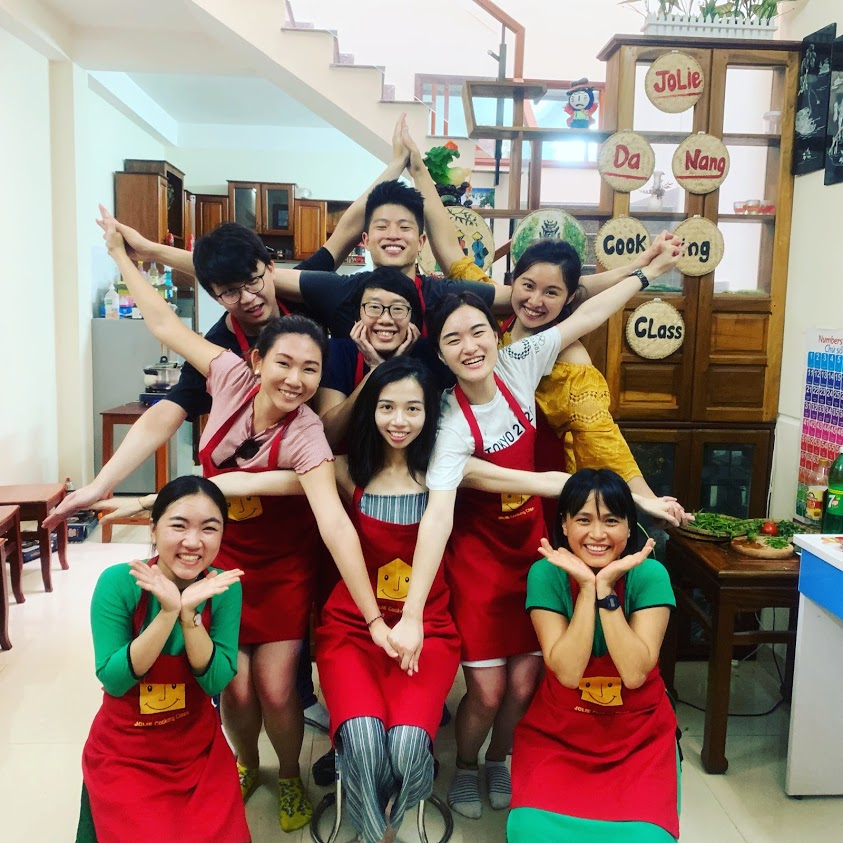
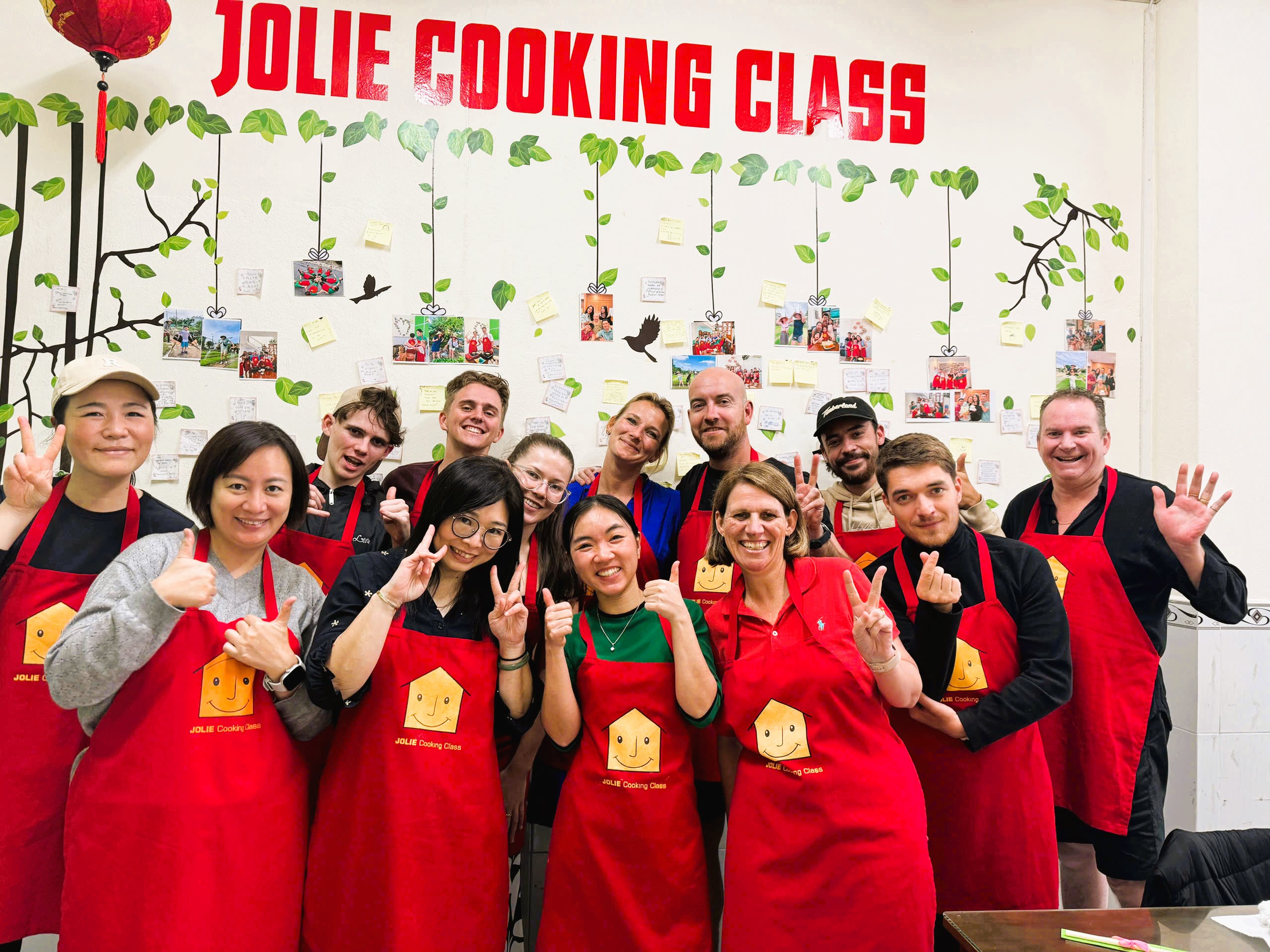
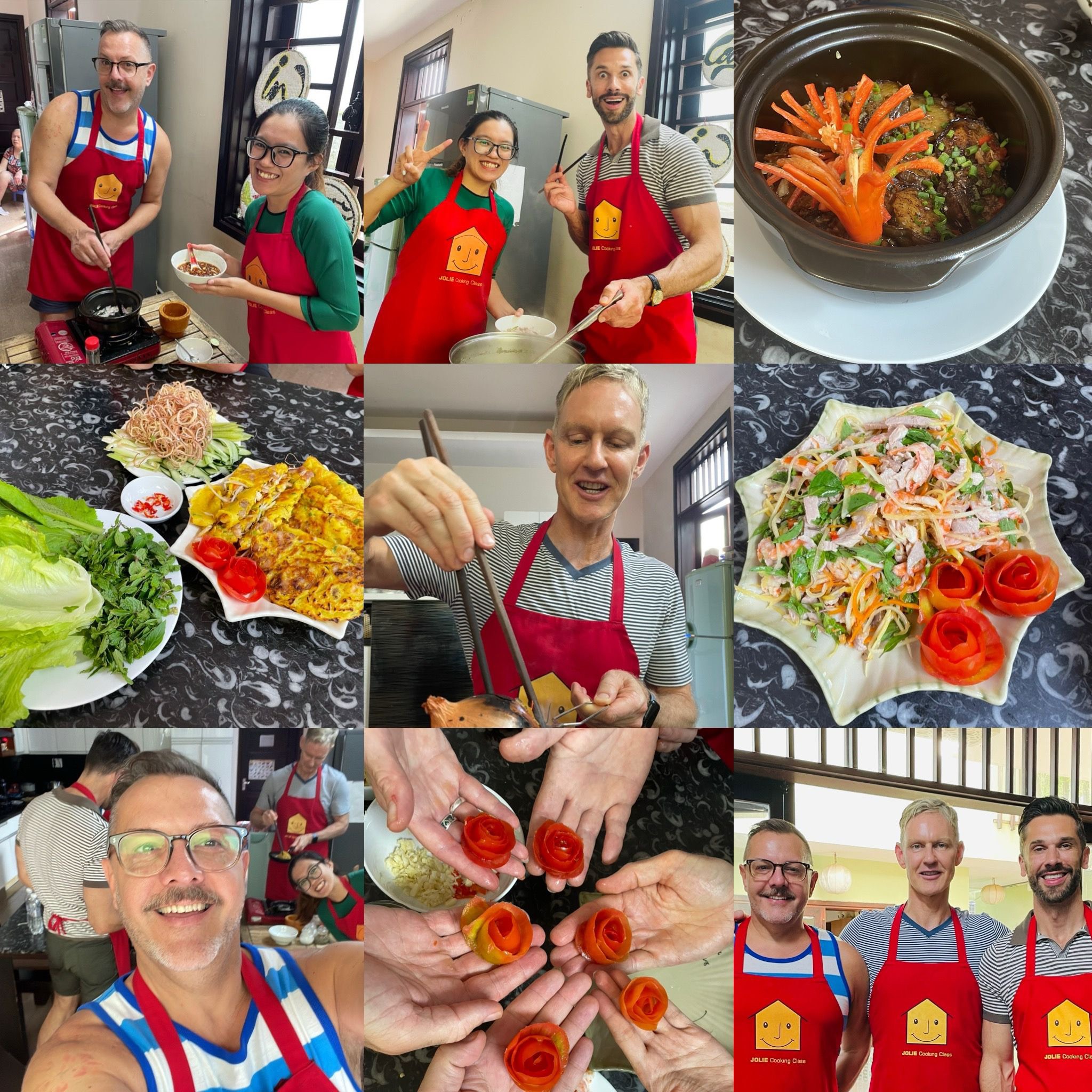
A Da Nang cooking class allows visitors to learn about traditional ingredients, regional specialties, and the cultural influences that have shaped Vietnamese cooking over time.
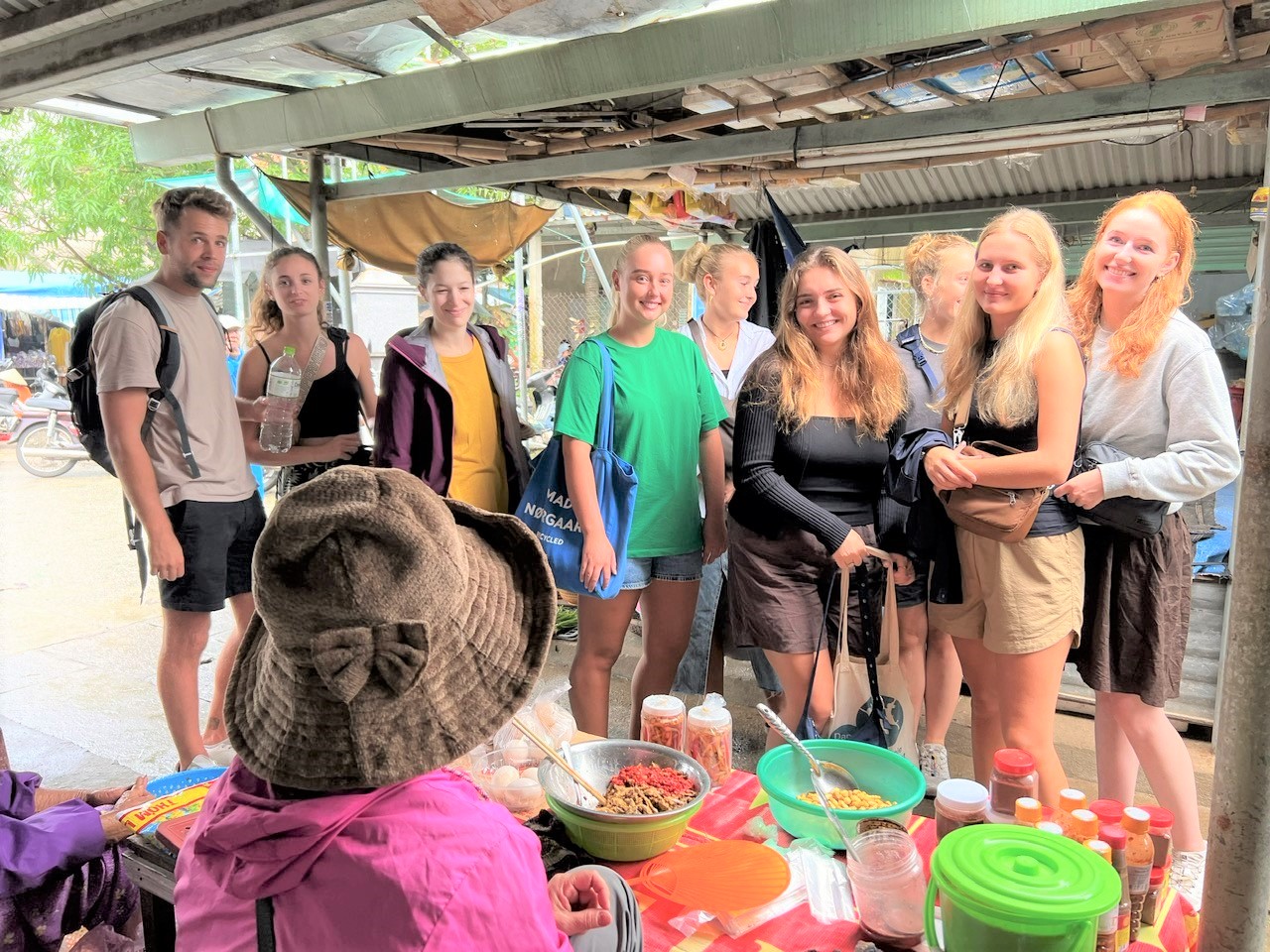
Guests often begin with a visit to a local market, where they can see firsthand the ingredients that play such an important role in local cuisine.
Explore the City Through Food
A danang cooking tour or Da Nang food tour offers another way to experience the city’s culinary heritage.
From bustling local markets to family-run restaurants and street food stalls, these experiences help visitors discover the stories behind the dishes and the people who continue to preserve them today.
Experience Vietnamese Cuisine with Jolie Cooking Class
At Jolie Cooking Class, we believe that every dish tells a story.
Our cooking experiences introduce guests to authentic Vietnamese recipes, local ingredients, and the traditions that have shaped Central Vietnam’s rich culinary heritage.
Through market visits and hands-on cooking lessons, visitors gain a deeper appreciation for the cultural influences that continue to define Da Nang cuisine.
Final Thoughts
Da Nang’s food culture is the result of centuries of tradition, adaptation, and cultural exchange.
While neighboring countries have influenced certain ingredients and cooking techniques, local families and communities have preserved the unique character of Central Vietnamese cuisine.
Exploring these flavors offers travelers a deeper understanding of the history, culture, and people that make Da Nang such a remarkable destination.