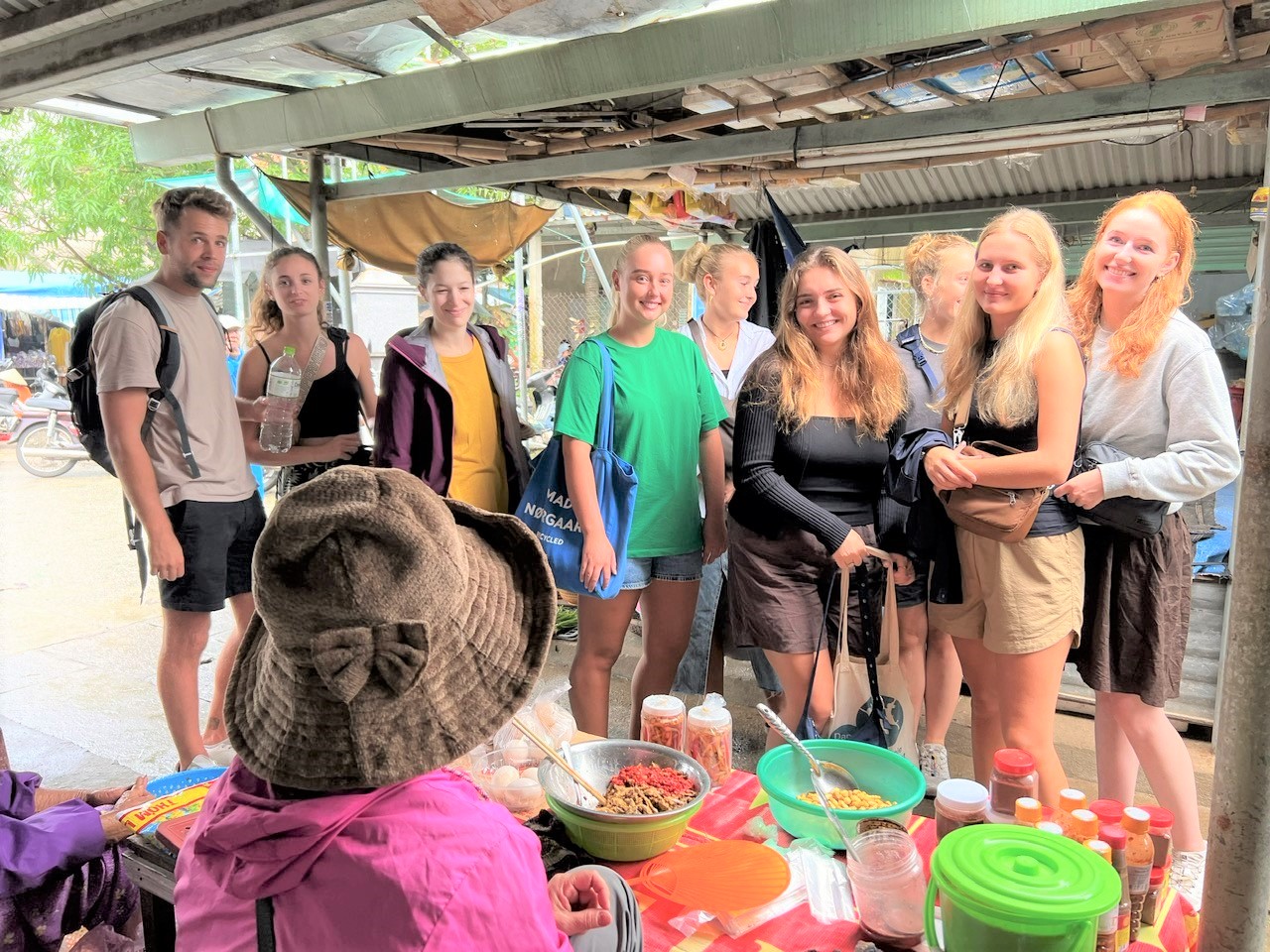
At six in the morning, Hoi An’s central market is already humming. Baskets of Tra Que herbs arrive still wet from the village gardens, fish from the Thu Bon River glisten on crushed ice, and somewhere between the noodle stalls a pot of broth has been simmering since 4 a.m. This is where every great Hoi An cooking class begins — not in a classroom, but in the market, with a local cook showing you how to choose morning glory by the snap of its stem.
By noon, you will have ground your own rice flour, folded your first White Rose dumpling, and sat down to eat everything you made, with the river breeze coming through the windows. A Hoi An cooking class doesn’t just teach you recipes — it hands you the keys to the town’s kitchens, and a set of skills you will use for the rest of your life.
What Is a Hoi An Cooking Class (and Why You Need One)
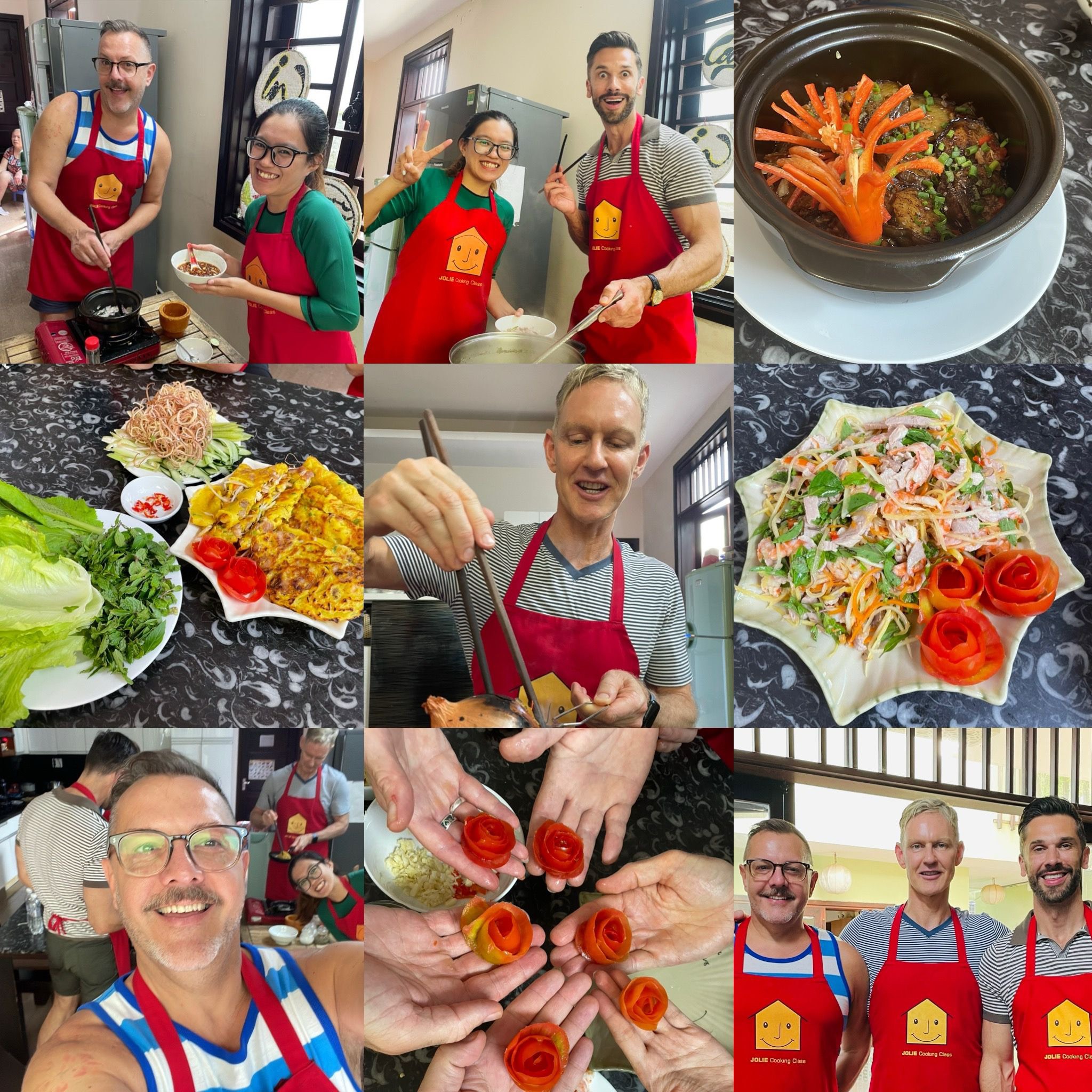
A great cooking class in Hoi An is really three experiences in one. First, a guided market tour where you learn to shop the Vietnamese way — tasting, smelling, and bargaining alongside your instructor. Second, hands-on cooking in a real family kitchen or riverside cooking house, where you do every step yourself instead of watching a demonstration. Third, the feast — sitting down together to eat everything you cooked, which somehow always tastes better than restaurant food.
Why does it matter? Because Hoi An’s cuisine can’t be understood by eating alone. You need someone to explain why Cao Lau noodles must be made with water from the ancient Ba Le well, why the best banh xeo batter crackles the way it does, and how a few leaves of Tra Que basil can change an entire dish. Those are the stories no menu will tell you — and the reason travelers consistently rank a Hoi An cooking class among the best things to do in Vietnam.
6 Iconic Dishes You’ll Learn to Cook
Most Hoi An cooking classes teach a menu built around the town’s most beloved dishes. Here is what is usually on the chopping board:
- Cao Lau — Hoi An’s legendary noodle dish — thick, chewy noodles, smoky pork, fresh greens, and crunchy croutons. You will learn why this dish exists nowhere else on earth.
- White Rose Dumplings — Translucent shrimp dumplings shaped like tiny roses, a Hoi An original. Folding them neatly is harder than it looks — and deeply satisfying when you get it right.
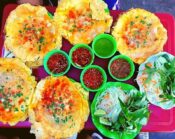
- Banh Xeo — The sizzling turmeric crepe, crisped in a hot pan and wrapped in rice paper with herbs. Your instructor will teach you the wrist motion that makes it shatteringly crisp.
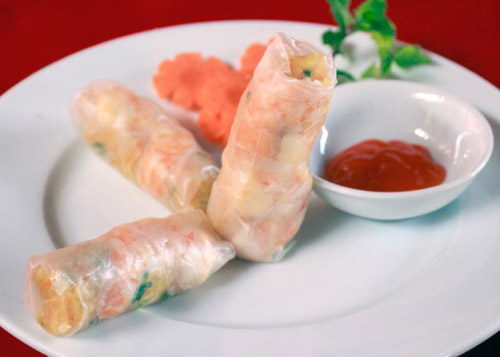
- Goi Cuon (Fresh Spring Rolls) — Rice paper, shrimp, pork, vermicelli, and a mountain of herbs, rolled tight and dipped in peanut sauce. The fresh, healthy counterpoint to the fried dishes.
- Pho — Vietnam’s most famous soup, built from a broth you will season yourself. Learning to balance star anise, cinnamon, and fish sauce is a skill worth taking home.
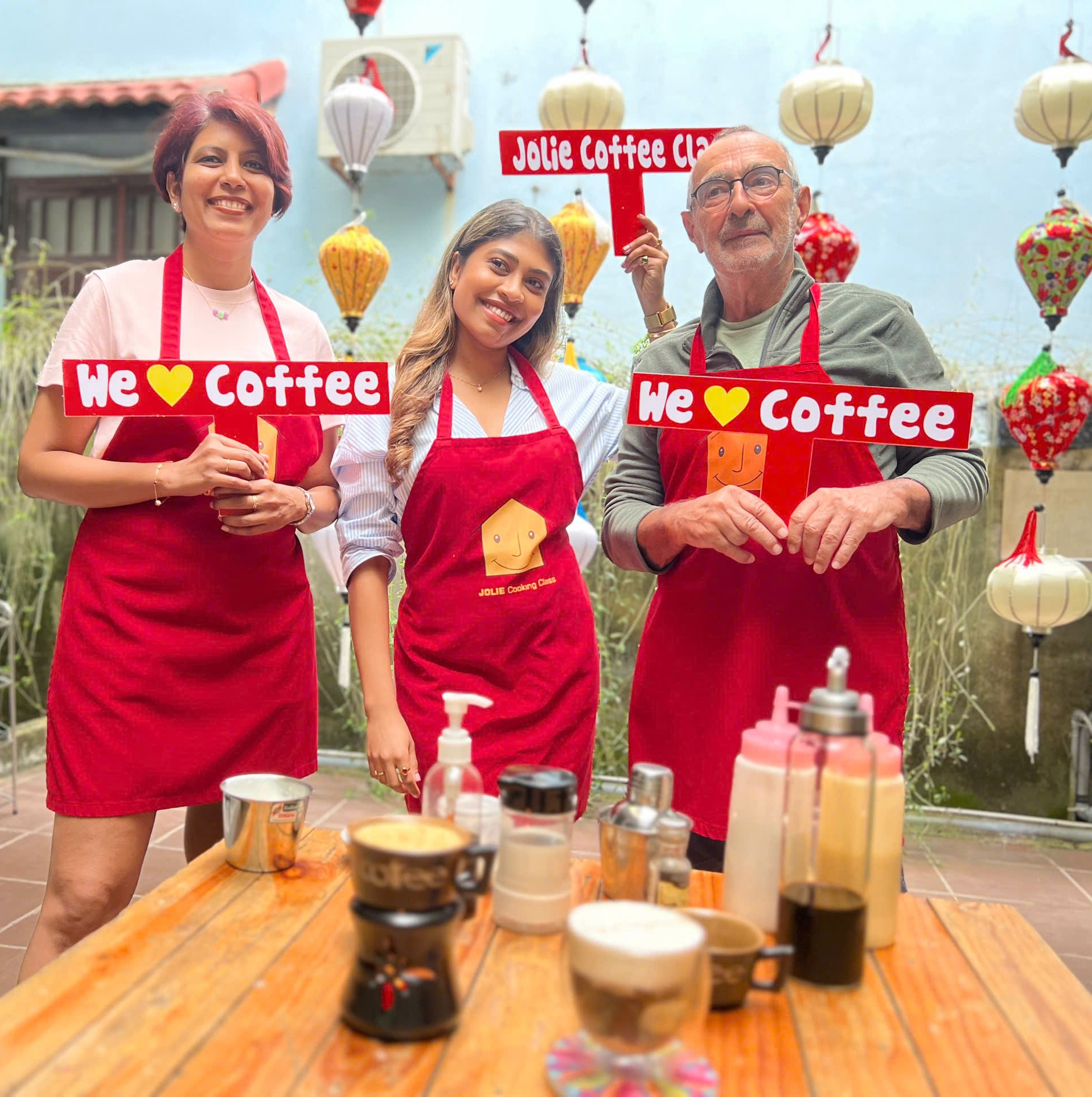
- Vietnamese Egg Coffee — The sweet, frothy finish — whipped egg yolk over strong robusta coffee. A dessert and a caffeine kick in one small cup.
Ready to cook these yourself? Book the Hoi An Market Cooking Experience — morning market tour, hands-on cooking, and lunch included.
Morning or Afternoon Class — Which Should You Choose?
Morning classes start with the market at its liveliest. The produce is freshest, the light is beautiful for photos, and you finish in time for lunch — which you cooked yourself. If you only do one Hoi An cooking class, make it a morning one.
Afternoon classes are calmer and often end as the lanterns come on across the old town — magical if you plan to stay for dinner afterward. They suit travelers who sleep in or spend mornings at An Bang Beach.
Cooking Class or Food Tour?
A fair question — and honestly, they do different jobs. A food tour is about tasting: a local guide walks you through the old town’s best stalls and street corners. A cooking class is about making: you learn the techniques, the ingredients, and the stories behind the food.
If you love Hoi An’s food and want to bring it home with you, take the class. If you want to eat your way through the ancient town in one evening, take the Hoi An Food Tour. Many travelers do both — the tour first to taste everything, then the class to learn to cook their favorites.
What a Typical Half Day Looks Like
Here is the rhythm of a classic morning Hoi An cooking class (about 3.5 to 4 hours):
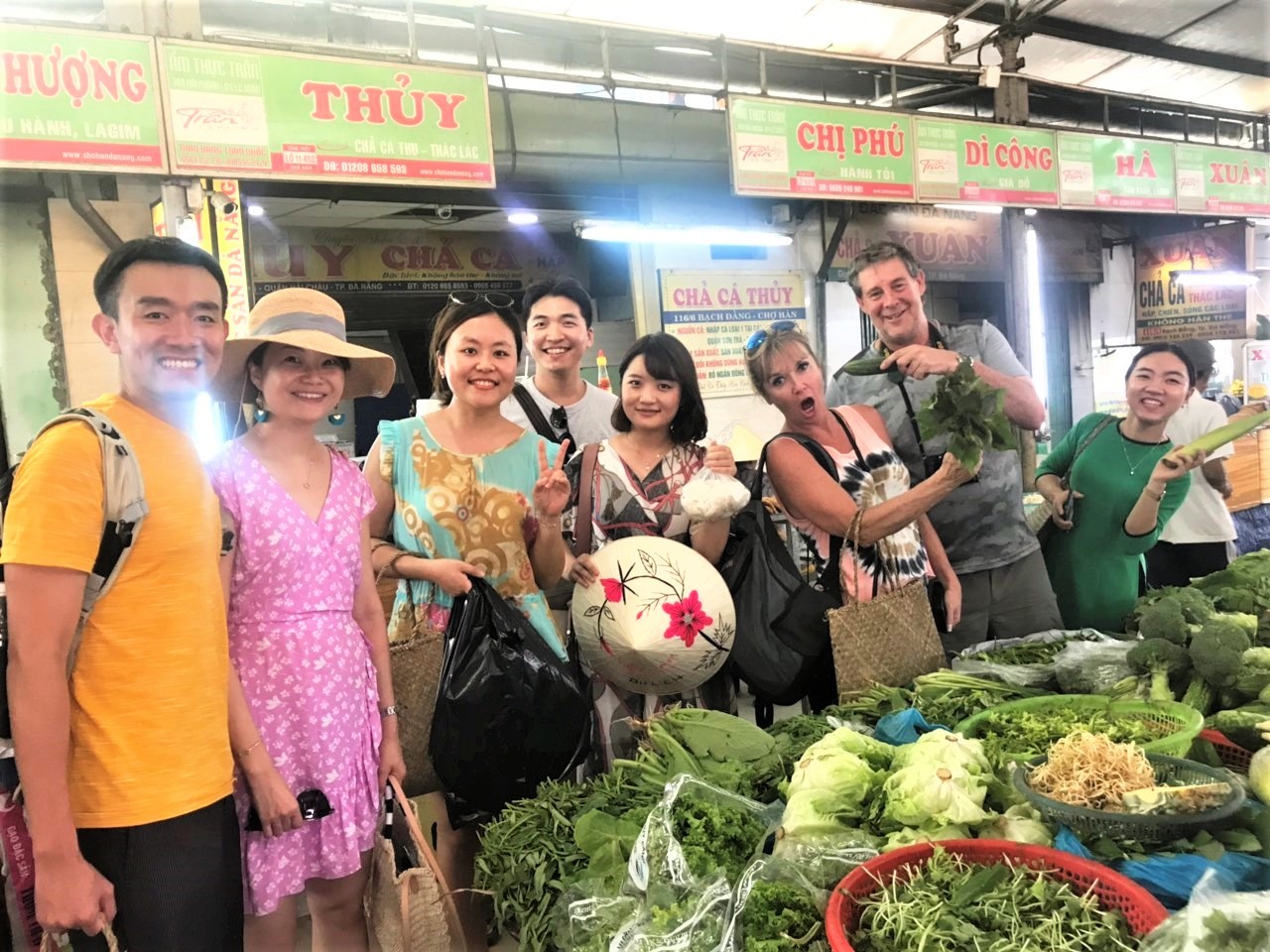
- Market tour (60–75 min): Meet your instructor and explore Hoi An’s central market — taste tropical fruits, learn to pick herbs, and shop for everything you will cook.
- Basket boat ride (30 min, on select tours): Glide through the Bay Mau coconut forest in a round basket boat, a Hoi An signature experience.
- Hands-on cooking (90 min): Back at the cooking house, roll, fold, sizzle, and simmer your way through 4–6 dishes with step-by-step guidance.
- The feast (45 min): Sit down together and eat everything you made — plus recipes to take home so you can recreate it all.
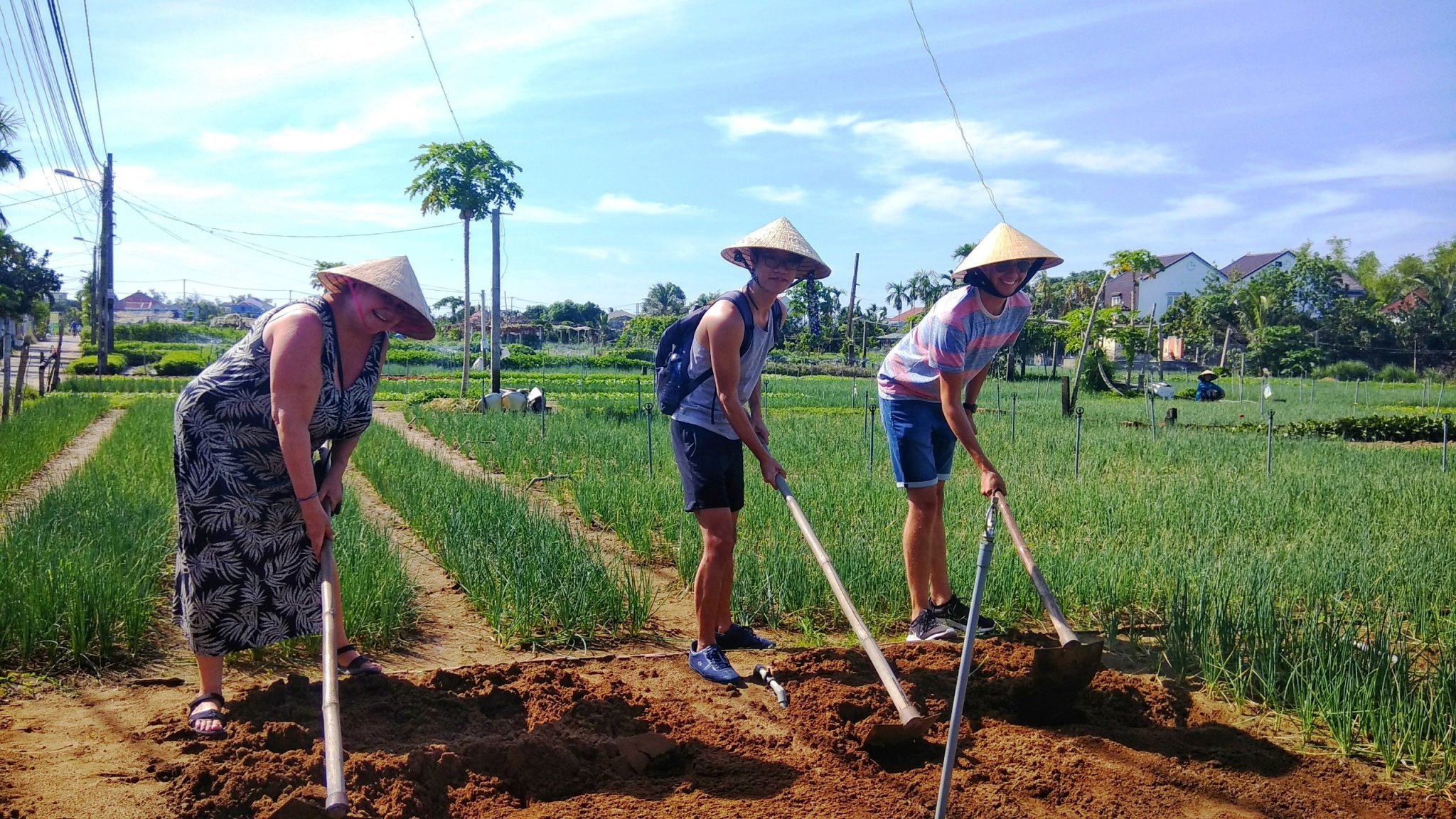
Travelers who want the full countryside experience can combine the class with a farming and basket boat day — see the Hoi An Basket Boat Cooking Experience or the Farming & Market Cooking Experience.
Why Travelers Choose Jolie Cooking Class
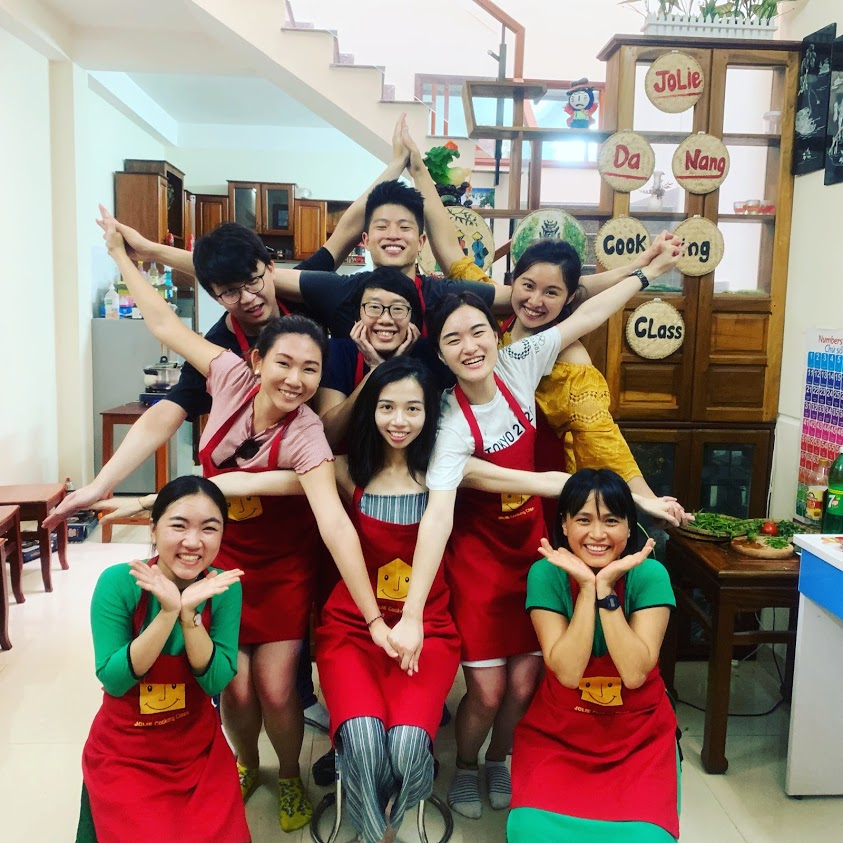
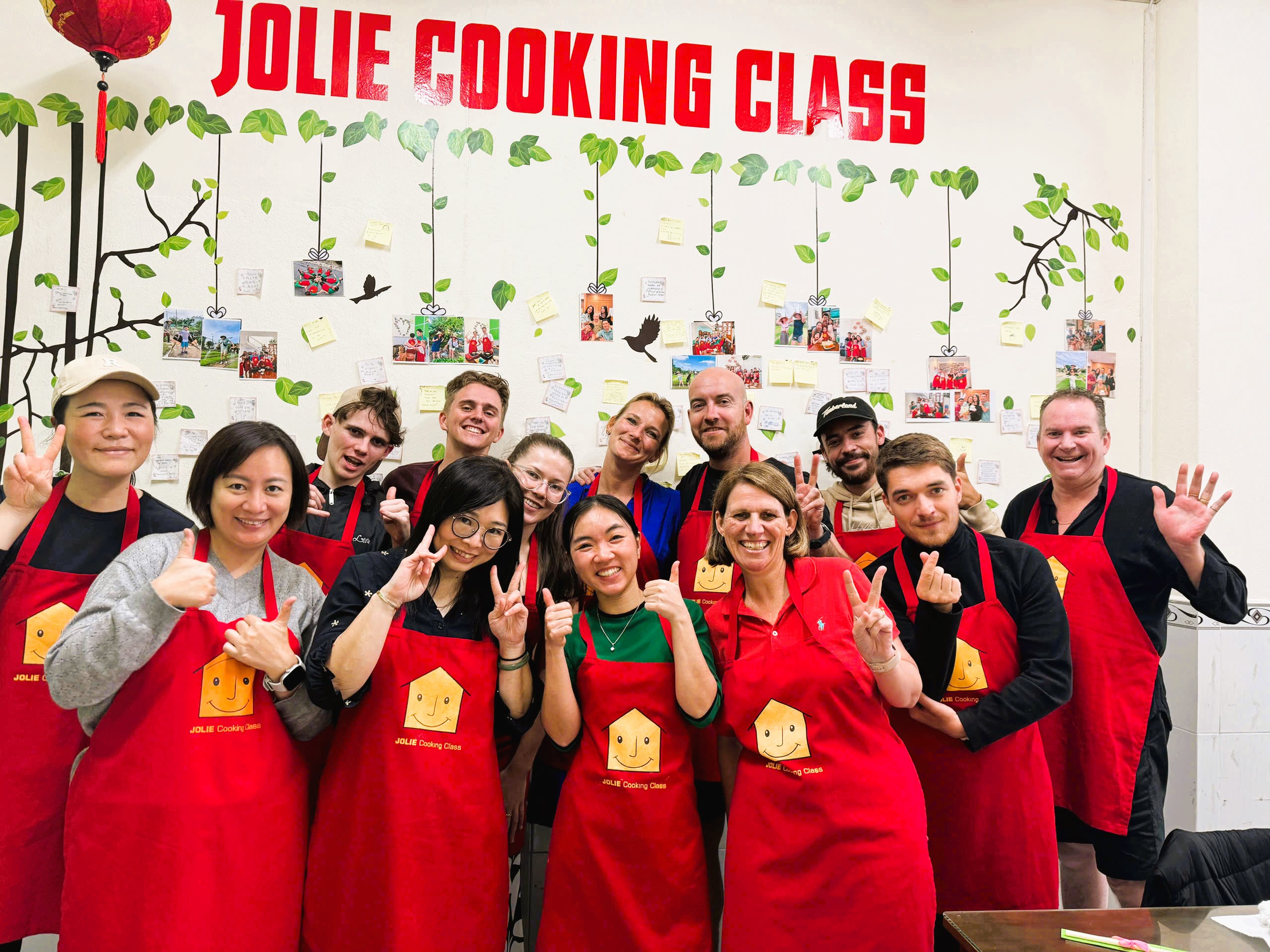
Jolie Cooking Class is family-run and has welcomed travelers for more than 10 years in both Da Nang and Hoi An. Classes are small-group and personal — you cook with a local family, not in a tourist factory. Recipes come from the family’s own kitchen, and the atmosphere is closer to visiting friends in Vietnam than attending a lesson.
Find us at 14 An Trung Dong 6, Da Nang or 14 Luu Trong Lu, Hoi An.
Questions? Call +84 399 67 68 52 or email joliecooking@gmail.com.

Staying in Da Nang? You Can Still Join
Da Nang and Hoi An are only about 40 minutes apart, and many travelers stay in Da Nang while doing Hoi An in a day. Jolie runs classes from both cities, so you can join a Hoi An cooking class without changing hotels — or browse all options on the Cooking Classes page.
Practical Tips for Your Hoi An Cooking Class
- Book ahead in high season (June–August, December–January) — small groups fill up.
- Vegetarian? Most classes happily adapt the menu — mention it when booking.
- Bring a hat and sunscreen for the market portion; wear comfortable shoes.
- Come hungry. You will eat a full meal of everything you cook.
- Ask for the recipes at the end — then actually cook them at home. Your friends will thank you.
Frequently Asked Questions
How long does a Hoi An cooking class last?
Most half-day classes run about 3.5 to 4 hours, including the market tour, hands-on cooking, and the meal at the end. Full-day countryside experiences with farming and basket boat rides run longer.
Do I need cooking experience to join?
Not at all. Classes are designed for complete beginners — instructors guide every step, and the small-group format means you get personal help whenever you need it.
Can vegetarians join a Hoi An cooking class?
Yes. Most classes can adapt the menu for vegetarian (and often vegan) diets — just mention your dietary needs when you book so the market shopping list can be adjusted.
What is the best time of day for a cooking class in Hoi An?
Morning classes catch the market at its freshest and liveliest, and you finish with lunch. Afternoon classes are calmer and pair beautifully with an evening in the lantern-lit old town.
How do I book a Hoi An cooking class?
Book directly through the tour page to secure your spot — small groups fill quickly in high season. See the Hoi An Market Cooking Experience for the classic half-day class.
Your apron is waiting. Book your Hoi An Cooking Class today and take the flavors of the ancient town home with you — for life.