How Da Nang’s History Shaped Its Unique Food Culture
Da Nang is more than just a beautiful coastal destination in Central Vietnam. Behind its stunning beaches and modern skyline lies a rich history that has deeply influenced the city’s food culture. Over centuries, Da Nang has welcomed traders, settlers, and travelers from different parts of the world, creating a culinary identity that is both diverse and distinctly local.
Today, visitors can experience this fascinating history through every bowl of noodles, every seafood dish, and every bite of traditional street food.
A City Built on Trade and Cultural Exchange
For centuries, Da Nang served as an important trading port connecting Vietnam with China, Japan, and other Southeast Asian countries. Its strategic location made it a gateway for cultural and commercial exchange, bringing new ingredients, cooking methods, and culinary traditions to the region.
As merchants and travelers arrived from different cultures, local cooks adapted foreign influences to suit Vietnamese tastes. This exchange helped shape the vibrant food scene that Da Nang is known for today.
During the French colonial period, new ingredients and dining customs became part of everyday life. French-style bread, coffee, and pastries gradually blended with local traditions, leading to creations such as Vietnamese bánh mì and the strong café culture that remains popular throughout the city.
The Influence of Central Vietnamese Traditions
While international influences have played a role, Da Nang’s cuisine remains firmly rooted in the traditions of Central Vietnam. The region is known for its bold flavors, fresh herbs, and balanced use of sweet, salty, sour, and spicy ingredients.
Unlike some southern Vietnamese dishes that tend to be sweeter, Da Nang cuisine often features stronger savory flavors and generous use of chili and aromatic herbs. Local families have preserved recipes for generations, ensuring that traditional dishes continue to be enjoyed today.
Seafood: The Heart of Da Nang Cuisine
Da Nang’s location along the East Sea has made seafood a cornerstone of local cuisine. Fishing communities have supplied the city with fresh fish, squid, shrimp, crab, and shellfish for generations.
Many of the city’s most popular dishes highlight the freshness of these ingredients. Whether served grilled, steamed, or incorporated into noodle dishes, seafood reflects the close relationship between the city and the ocean.
Visitors strolling through local markets will quickly discover how important seafood remains to daily life in Da Nang.
Signature Dishes That Tell a Story
Several iconic dishes showcase the historical and cultural influences that have shaped Da Nang’s culinary identity.
Mi Quang
One of Central Vietnam’s most famous noodle dishes, Mi Quang features turmeric-infused noodles topped with pork, shrimp, fresh herbs, peanuts, and rice crackers. The dish reflects local agricultural traditions and the region’s love for bold flavors.
Banh Xeo
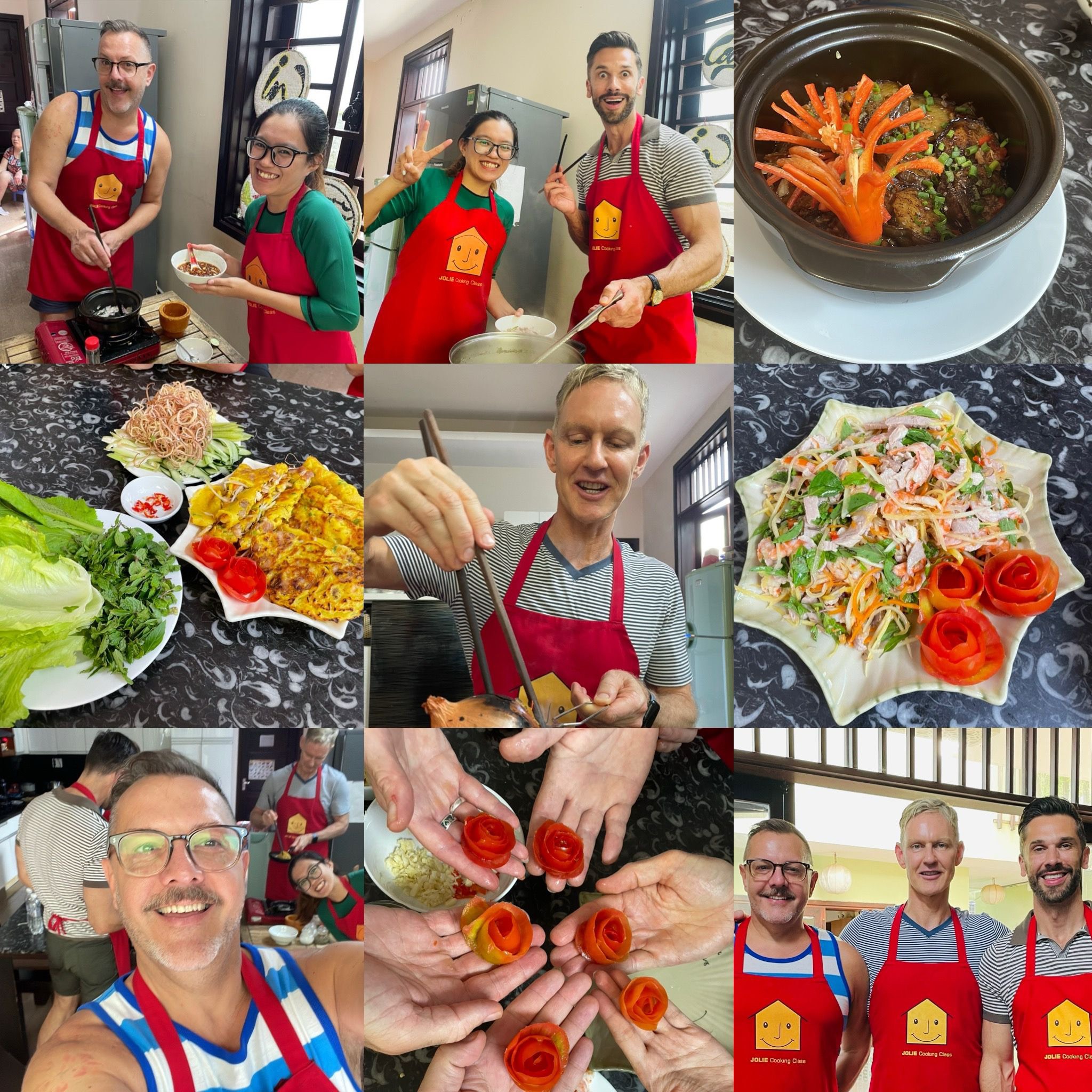
These crispy Vietnamese pancakes are filled with shrimp, pork, and bean sprouts before being wrapped in fresh vegetables and dipped in flavorful sauces. Banh Xeo demonstrates the balance between texture, freshness, and flavor that characterizes Vietnamese cuisine.
Fresh Seafood
From grilled squid to steamed crab, seafood remains an essential part of Da Nang’s culinary landscape. Many restaurants source their ingredients directly from local fishermen, ensuring exceptional freshness.
Food as a Reflection of Community
In Vietnamese culture, food is about more than nourishment—it is a way of bringing people together. Family meals, celebrations, and community gatherings often revolve around shared dishes prepared using recipes passed down through generations.
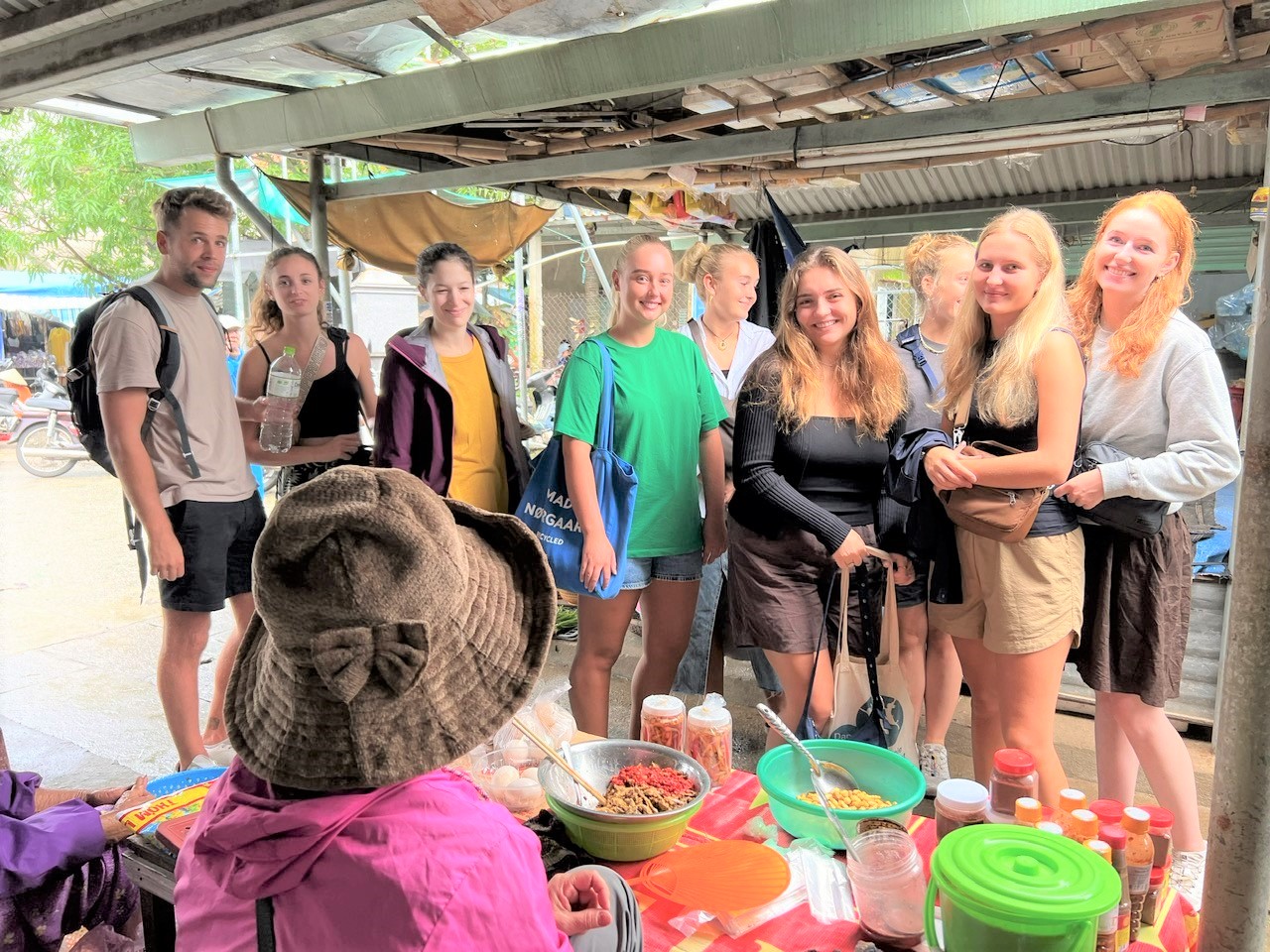
In Da Nang, local markets continue to play an important social role. Residents gather daily to purchase fresh ingredients, exchange stories, and maintain culinary traditions that have endured for centuries.
This strong sense of community helps preserve the city’s food heritage while allowing it to evolve naturally over time.
Experiencing Da Nang’s Food Culture Today
Travelers seeking an authentic taste of Da Nang have many opportunities to explore the city’s culinary traditions.
Popular experiences include:
Joining a local food tour to discover hidden street food gems
Visiting traditional markets to learn about local ingredients
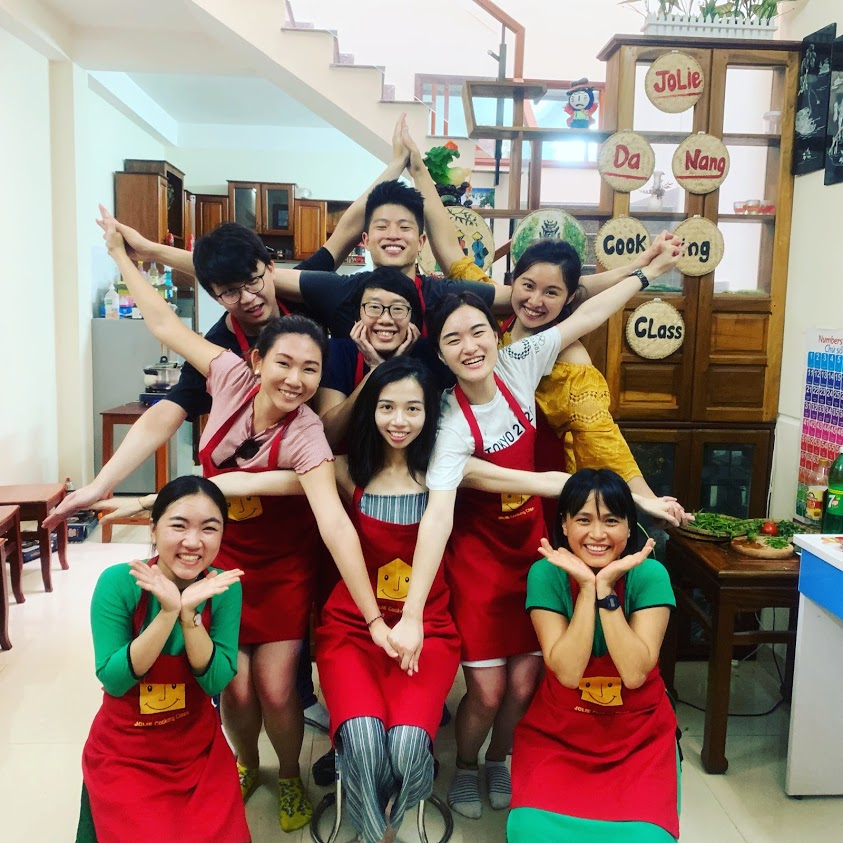
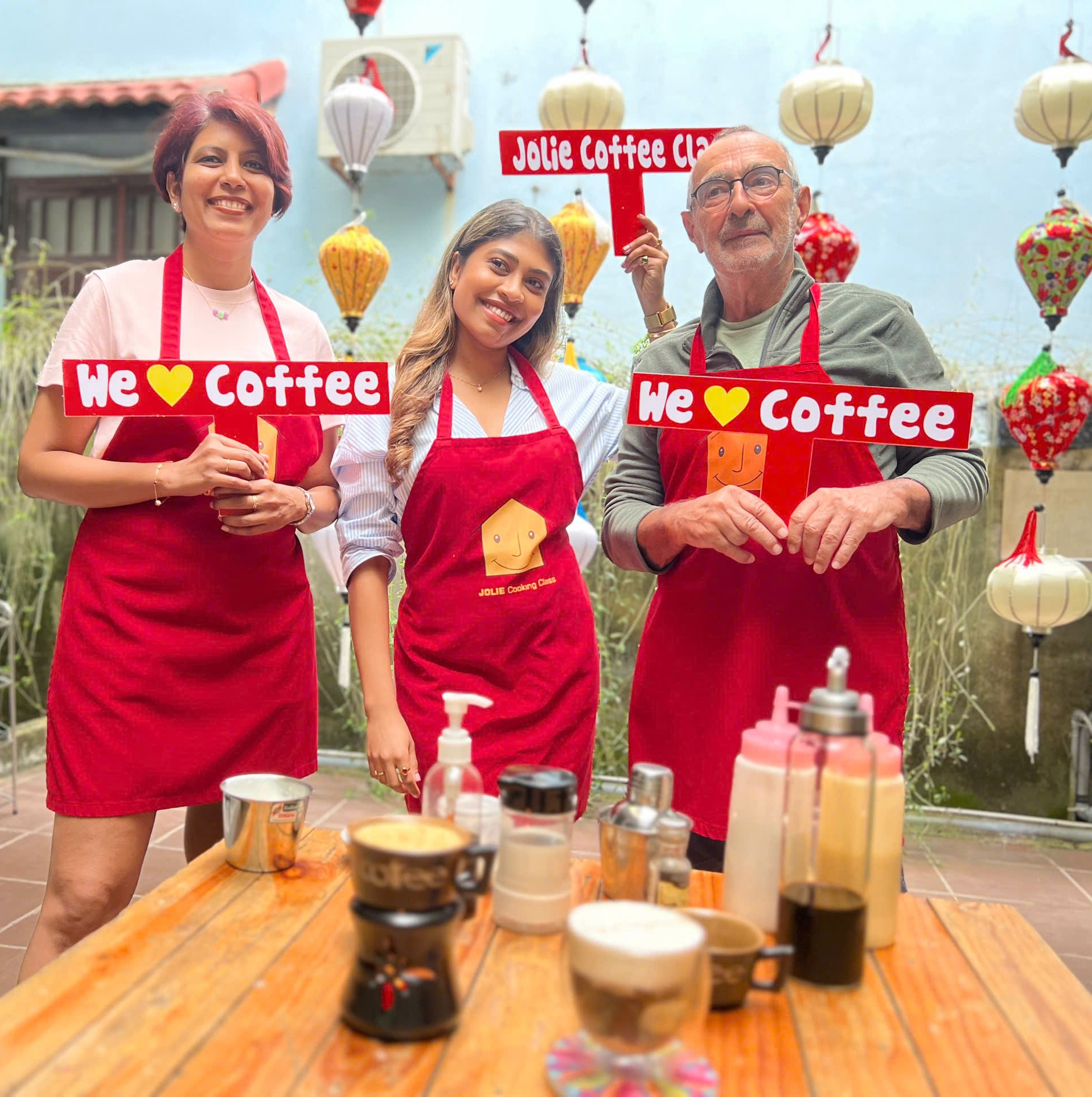
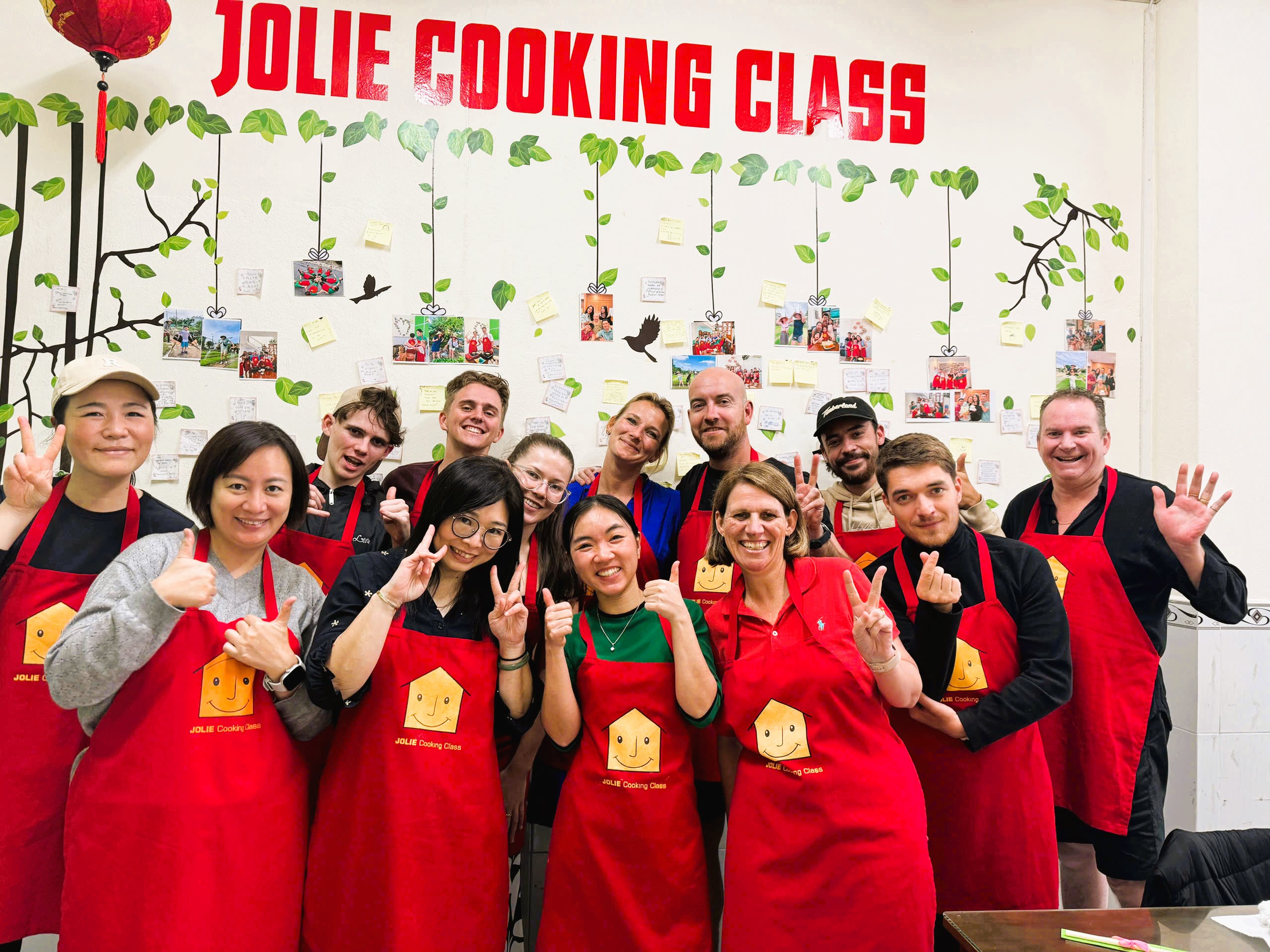
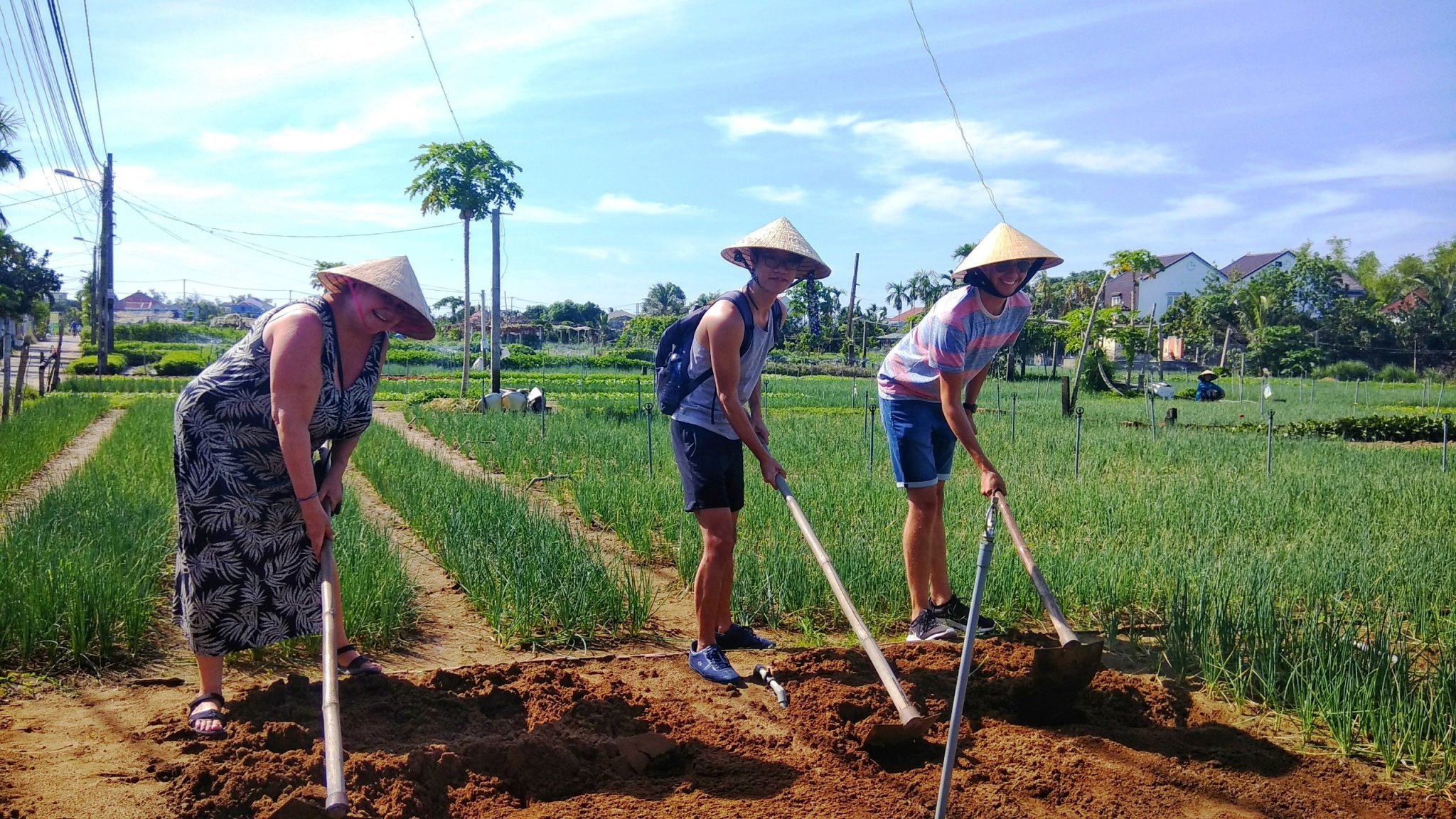
Taking a Vietnamese cooking class
Enjoying fresh seafood at coastal restaurants
Exploring neighborhood eateries loved by local residents
These experiences offer valuable insight into how history, culture, and daily life continue to shape Da Nang’s cuisine.
Looking Toward the Future
As Da Nang grows into one of Vietnam’s leading tourism destinations, its food culture continues to evolve. Modern restaurants are introducing creative interpretations of traditional dishes, while local chefs work to preserve authentic flavors and cooking techniques.
Balancing innovation with tradition remains a key challenge, but Da Nang has successfully maintained its culinary identity by celebrating its rich heritage while embracing new influences.
Conclusion
Da Nang’s food culture is a reflection of its remarkable history. From ancient trade routes and colonial influences to centuries-old Vietnamese traditions, every dish tells a story of cultural exchange and adaptation.
Whether you are sampling Mi Quang at a local eatery, enjoying fresh seafood by the beach, or learning traditional recipes in a cooking class, you are experiencing a living part of Da Nang’s heritage. The city’s cuisine offers a delicious journey through history—one that continues to evolve while staying true to its roots.
Frequently Asked Questions
What are the most famous foods in Da Nang?
Some must-try dishes include Mi Quang, Banh Xeo, Bun Cha Ca (fish cake noodle soup), and fresh seafood.
Why is seafood so popular in Da Nang?
The city’s coastal location provides access to abundant fresh seafood, making it a key ingredient in many local dishes.
How can visitors experience authentic Da Nang cuisine?
Joining a food tour, visiting local markets, and participating in cooking classes are excellent ways to explore the city’s culinary culture.
Is Da Nang cuisine different from other regions of Vietnam?
Yes. Central Vietnamese cuisine is known for its bold flavors, fresh herbs, and balanced use of spices compared to other regions.
What role does history play in Da Nang’s food culture?
Historical trade routes, foreign influences, and local traditions have all contributed to the unique culinary identity that Da Nang enjoys today.