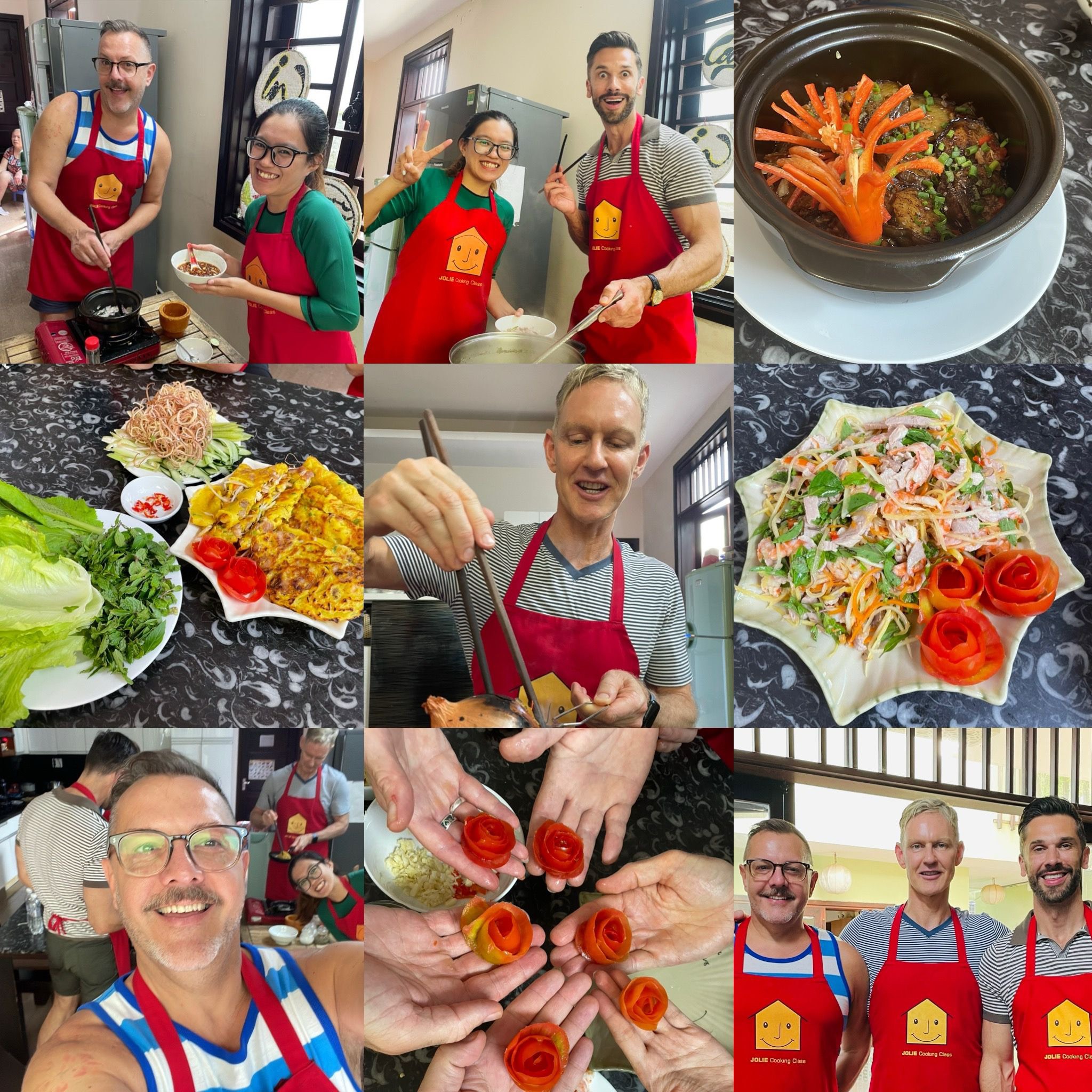
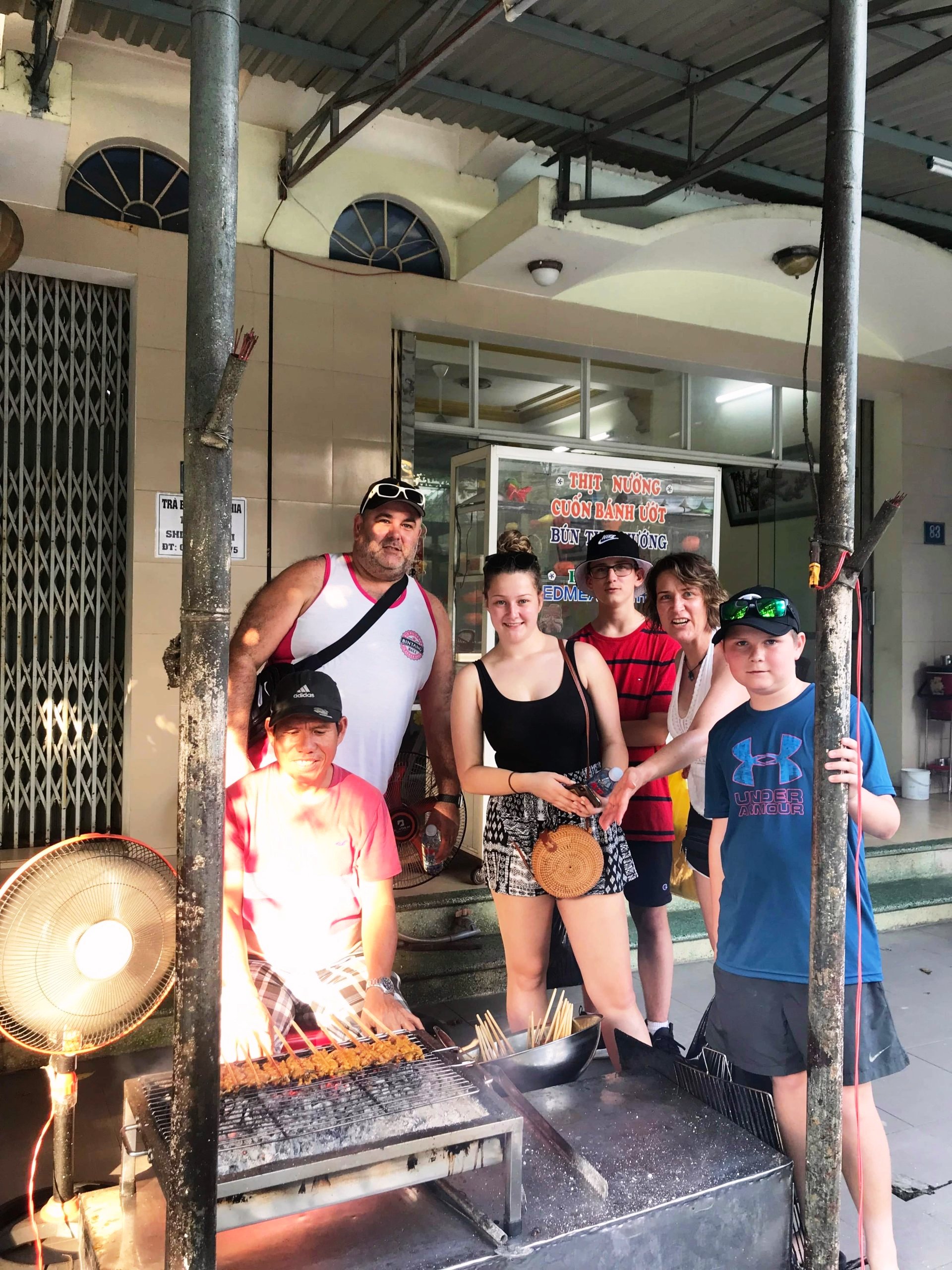
 Vietnamese dishes showcasing culinary influences from different regions of Vietnam
Located in the heart of Vietnam, Da Nang is uniquely positioned between the country’s northern and southern regions. This geographical location has helped shape a diverse food culture that combines influences from across Vietnam while maintaining its own distinctive Central Vietnamese identity.
Joining a Da Nang cooking class is one of the best ways to explore this fascinating culinary fusion and discover how regional traditions come together through food.
Da Nang: Where Regional Flavors Meet
Vietnamese cuisine varies significantly from north to south.
Northern dishes often emphasize balance and subtle flavors, while Southern cuisine is known for its sweetness, abundance of herbs, and bold seasoning.
Situated in Central Vietnam, Da Nang has absorbed influences from both regions while developing its own culinary traditions based on local ingredients and coastal resources.
This unique combination creates a food culture that is both diverse and deeply rooted in local heritage.
The Influence of Northern Vietnamese Cuisine
Northern Vietnamese cooking focuses on simplicity, balance, and natural flavors.
Common characteristics include:
Light broths
Fresh herbs
Delicate seasoning
Minimal sweetness
Many traditional cooking techniques found throughout Vietnam originated in the north and continue to influence dishes served across the country.
The Influence of Southern Vietnamese Cuisine
Southern cuisine reflects the fertile Mekong Delta and tropical climate.
It often features:
Sweeter flavor profiles
Coconut-based ingredients
Generous use of fresh herbs
Vibrant dipping sauces
These influences can also be seen in many modern Vietnamese dishes enjoyed in Da Nang today.
The Central Vietnamese Identity
While influenced by both regions, Da Nang remains firmly connected to the culinary traditions of Central Vietnam.
Local specialties such as:
Mi Quang
Banh Xeo
Bun Cha Ca
Fresh seafood dishes
reflect the region’s unique ingredients, history, and cultural influences.
The result is a cuisine that balances freshness, texture, and flavor while celebrating local identity.
Learn Vietnamese Cooking Through Hands-On Experience
A cooking class provides a practical way to understand how different regional influences shape Vietnamese cuisine.
Participants learn:
Traditional cooking techniques
Ingredient selection
Flavor balancing
Preparation methods
Cultural food traditions
This hands-on experience transforms recipes into meaningful cultural experiences.
Explore Local Markets
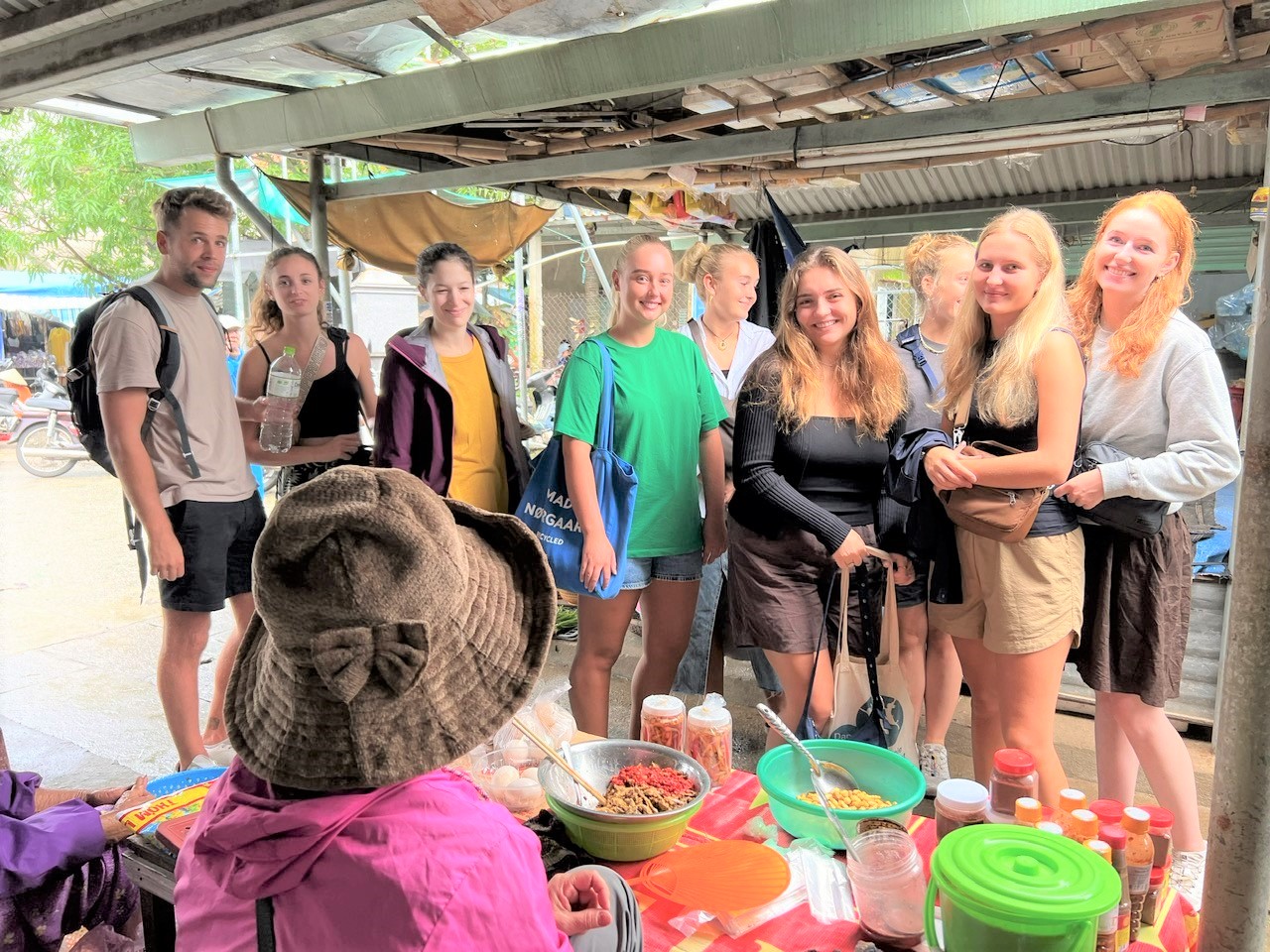
Many cooking classes begin with a visit to a traditional market.
Guests can discover fresh herbs, vegetables, seafood, spices, and local ingredients while learning how Vietnamese cooks select products for everyday meals.
Market visits also provide valuable insight into local life and food culture.
Experience Authentic Vietnamese Cuisine with Jolie Cooking Class
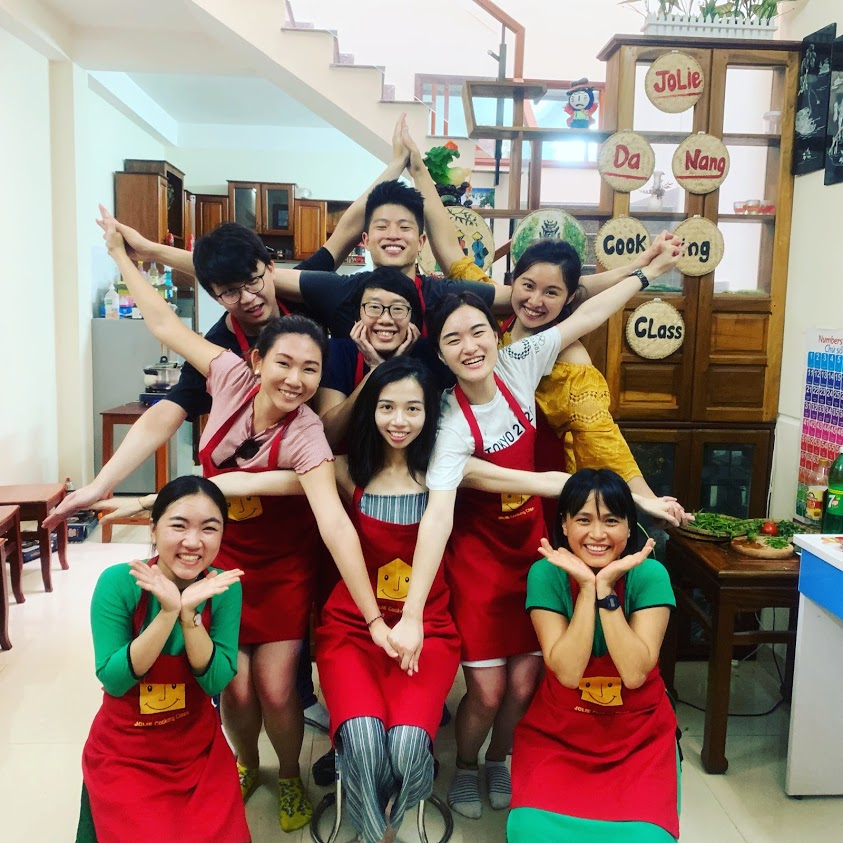
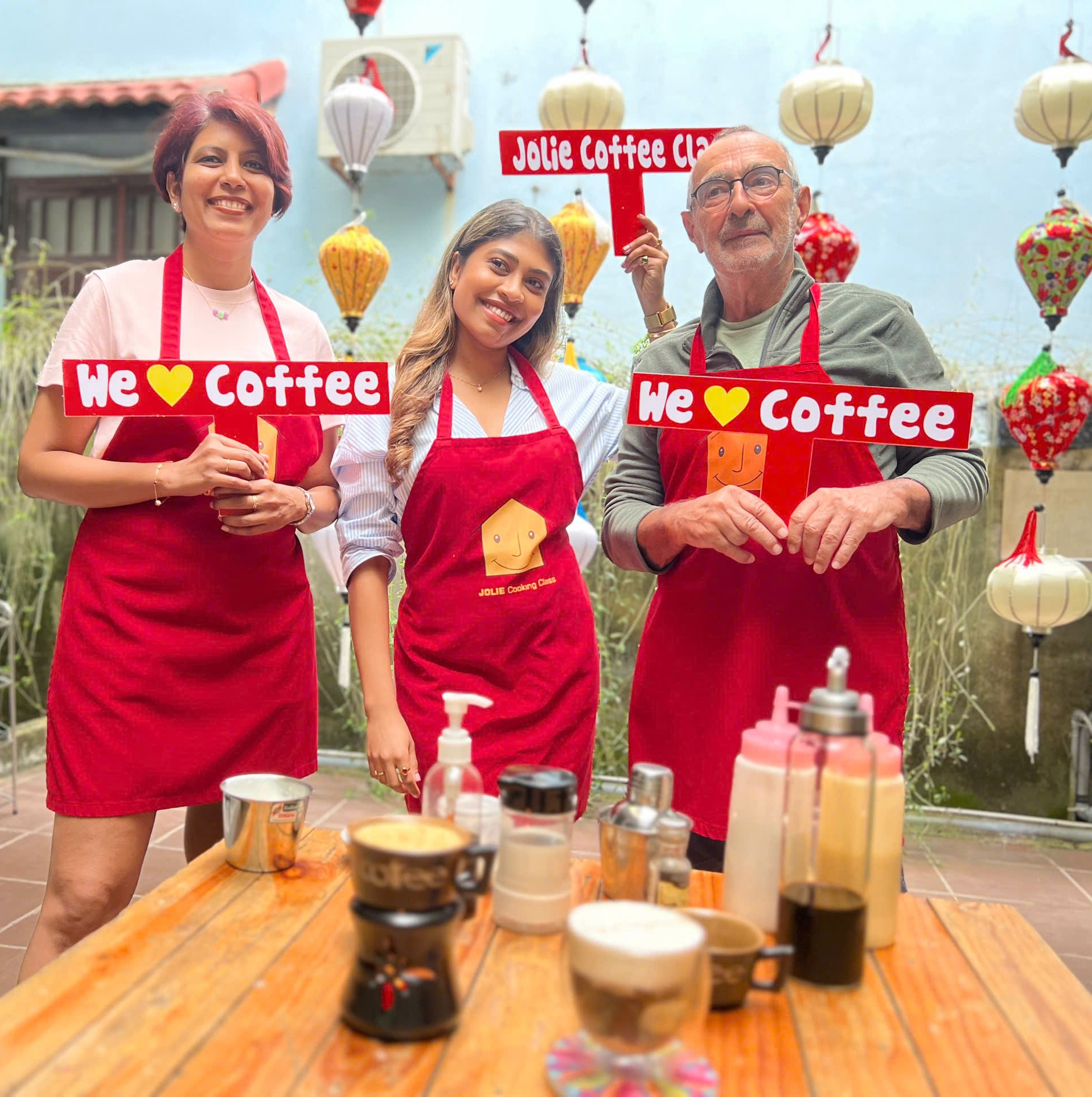
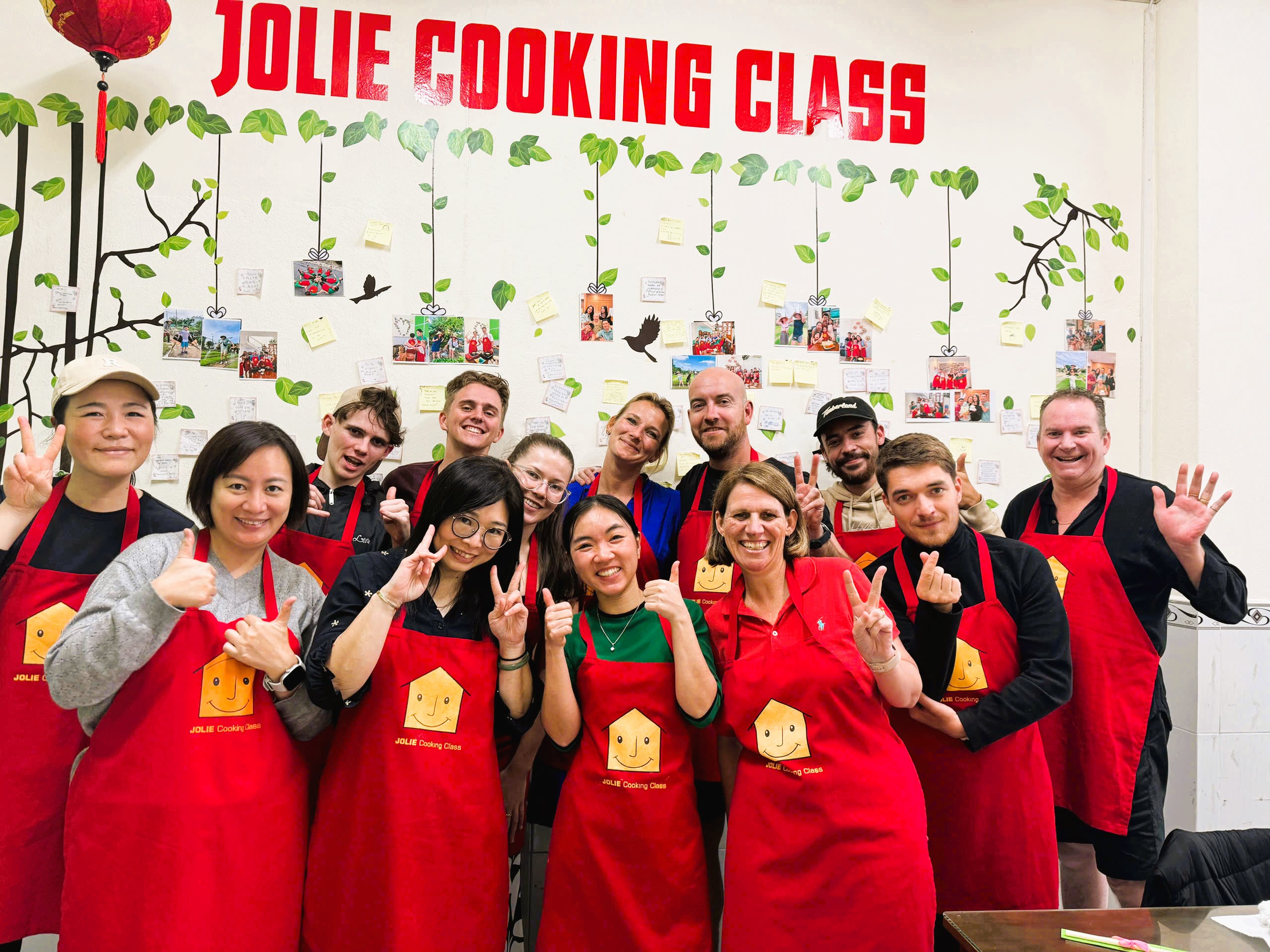
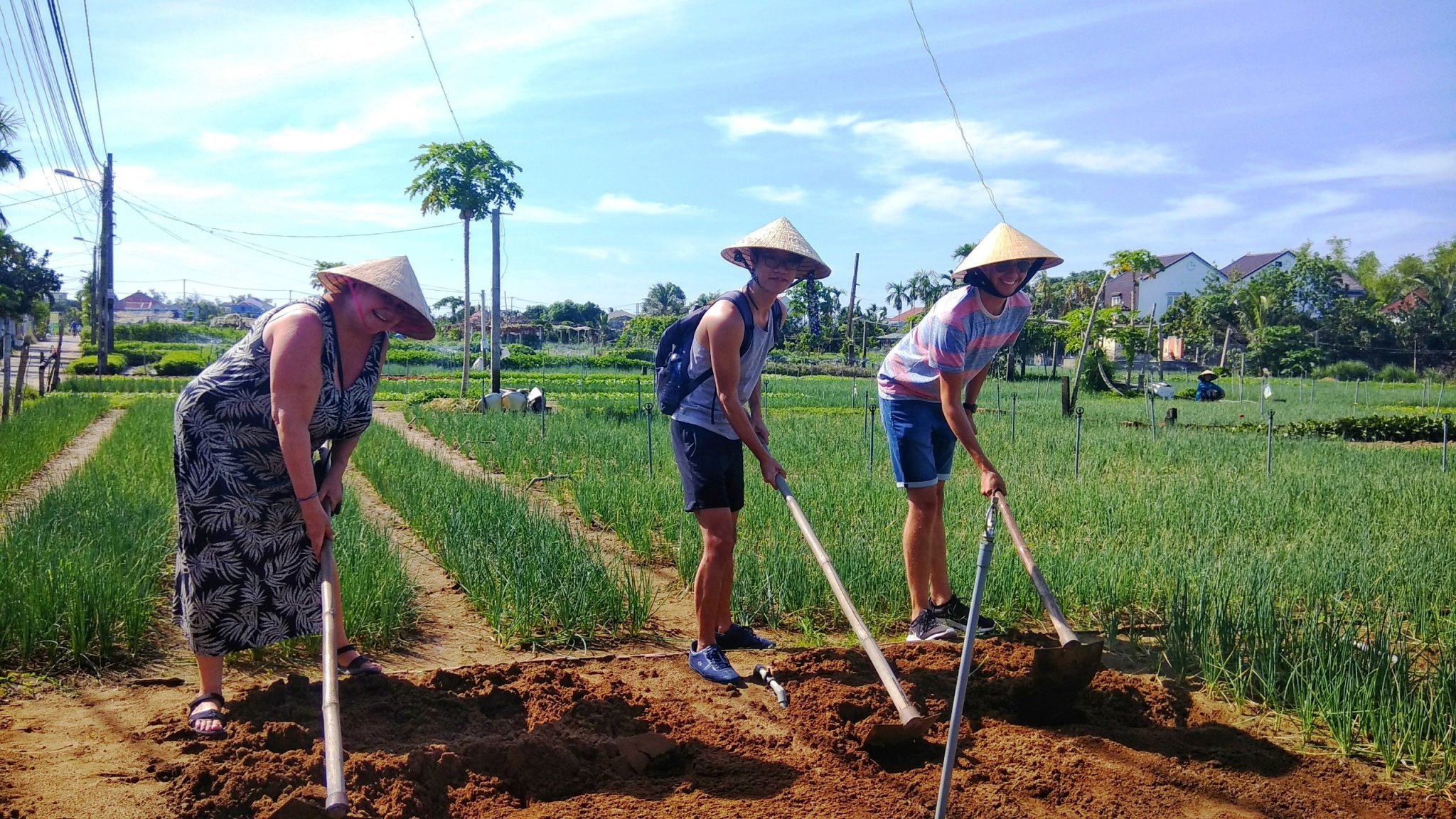
At Jolie Cooking Class, guests explore the flavors and traditions that have shaped Vietnamese cuisine over generations.
Our experiences combine:
Local market visits
Hands-on cooking lessons
Authentic family recipes
Cultural storytelling
Small-group interaction
Participants gain practical cooking skills while discovering how regional influences contribute to Vietnam’s rich culinary diversity.
Take the Flavors of Vietnam Home
One of the most rewarding aspects of a cooking class is learning recipes that can be recreated at home.
By understanding ingredients, techniques, and regional flavor profiles, guests leave with a deeper appreciation for Vietnamese cuisine and the confidence to continue their culinary journey long after their trip ends.
Final Thoughts
Da Nang’s unique position between northern and southern Vietnam has helped create a vibrant and diverse food culture.
Through a cooking class, visitors can experience this culinary fusion firsthand, learning how regional traditions, local ingredients, and family recipes come together to create some of Vietnam’s most memorable dishes.