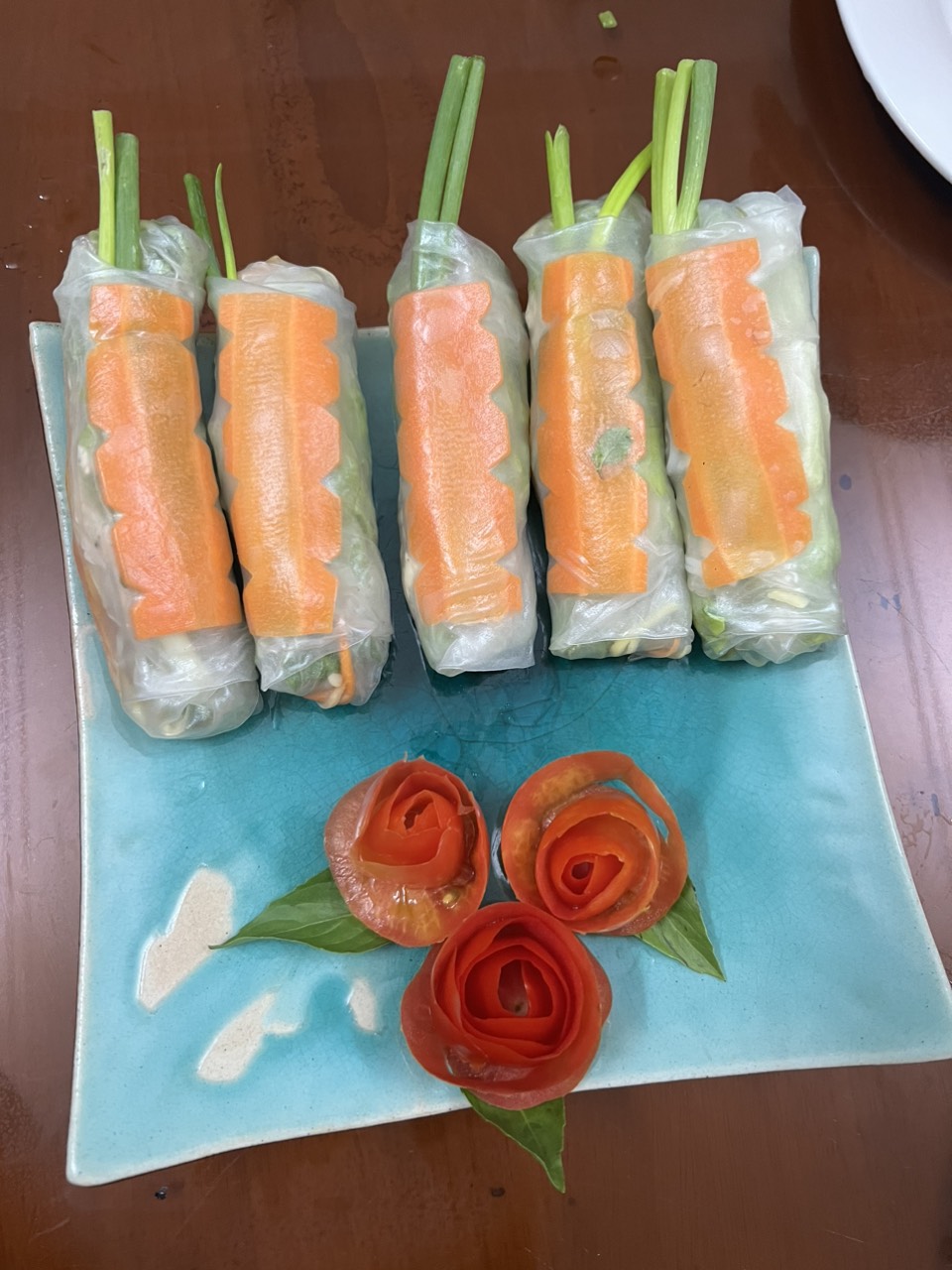
Traditional Vietnamese meal shared by family and friends in Da Nang
Da Nang is often celebrated for its beautiful beaches, modern cityscape, and welcoming atmosphere. Yet beyond its scenic coastline lies one of the most fascinating aspects of local life—its food culture. In Da Nang, food is much more than daily nourishment. It is a reflection of history, family traditions, community values, and the unique identity of Central Vietnam.
For visitors, exploring Da Nang through its cuisine offers a deeper understanding of the city’s people, heritage, and way of life.
Food as a Reflection of Da Nang’s History
Located between the former imperial capital of Hue and the ancient trading port of Hoi An, Da Nang has long served as a cultural crossroads. Over centuries, merchants, fishermen, farmers, and travelers brought ingredients, cooking techniques, and traditions that shaped the city’s culinary identity.
Today, local dishes still reflect these historical influences. Traditional recipes combine fresh coastal ingredients with flavors from neighboring regions, creating a style of cooking that is distinctly Central Vietnamese.
Every bowl of Mi Quang, every plate of Banh Xeo, and every serving of fresh seafood tells a story about the region’s history and cultural evolution.
The Role of Food in Family Life
In Vietnamese culture, meals are deeply connected to family relationships. Rather than individual servings, dishes are typically shared at the center of the table, encouraging conversation and togetherness.
In Da Nang households, family meals remain an important daily ritual. Parents pass recipes down through generations, teaching children not only how to cook but also the values of hospitality, respect, and care for others.
Many traditional dishes are still prepared using family recipes that have been preserved for decades, making food an important bridge between past and present.
The Importance of Local Markets
Food culture in Da Nang begins long before ingredients reach the kitchen.
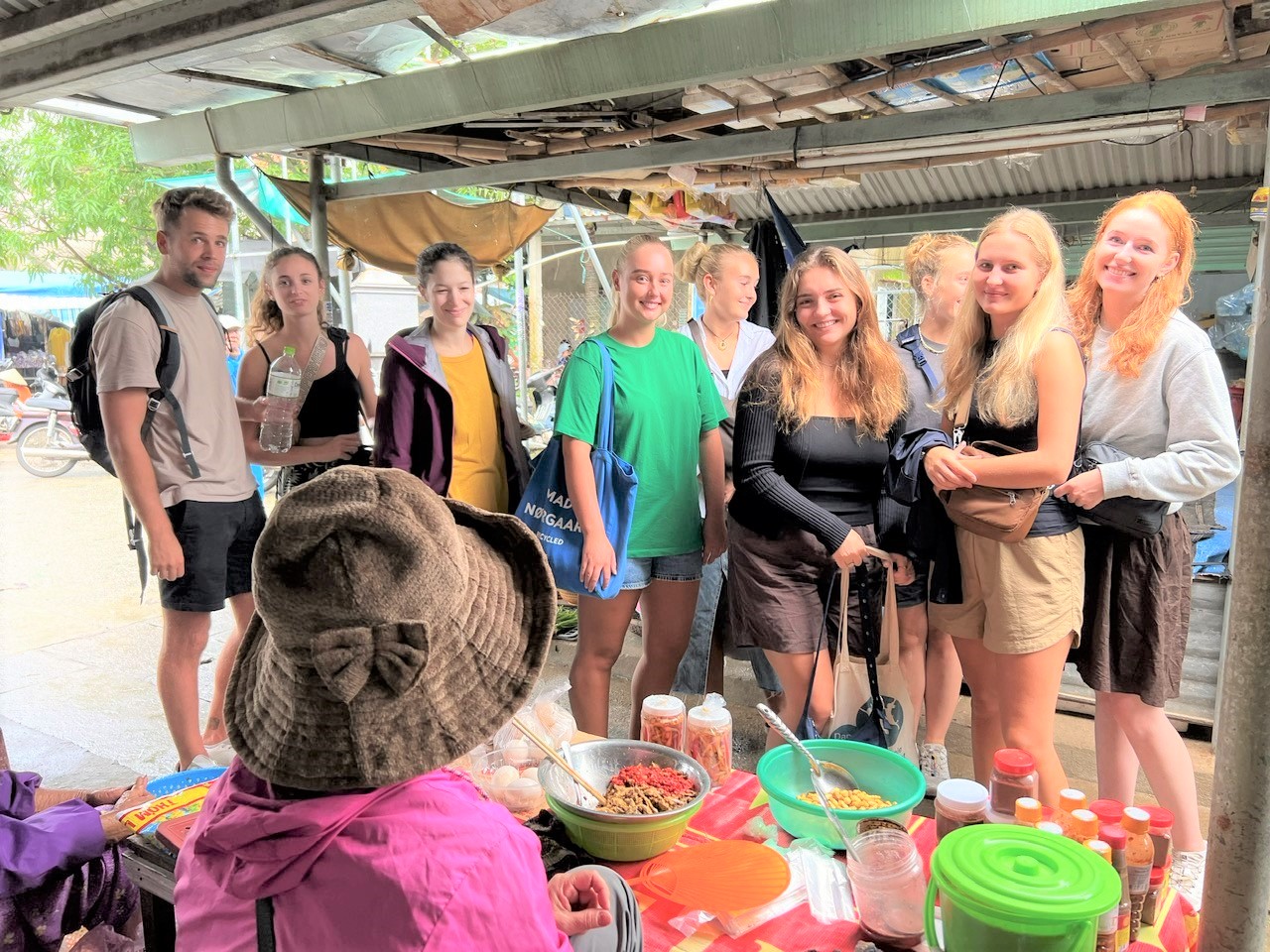
Local markets such as Han Market and Con Market serve as gathering places where residents shop for fresh seafood, vegetables, herbs, and spices. These bustling markets are essential to daily life and play a key role in preserving culinary traditions.
A visit to a local market reveals the strong connection between Da Nang’s cuisine and its agricultural and fishing communities. Fresh ingredients are not simply preferred—they are considered fundamental to achieving authentic flavor.
For many visitors, exploring a local market provides one of the most authentic cultural experiences in Da Nang.
Seafood and Coastal Identity
Da Nang’s location along Vietnam’s central coastline has profoundly influenced its cuisine.
Fresh fish, squid, shrimp, clams, and crabs are central ingredients in many local specialties. Seafood is not only a source of livelihood for coastal communities but also a symbol of the city’s relationship with the sea.
Popular dishes such as fish cake noodle soup, grilled seafood, and seafood hotpots showcase the abundance of fresh ingredients available from local waters.
The prominence of seafood reflects both the geography and cultural identity of Da Nang.
Food as a Social Experience
In Da Nang, eating is often a communal activity.
Friends gather at street food stalls after work. Families celebrate important milestones with large meals. Festivals and holidays are marked by traditional dishes prepared collectively by relatives and neighbors.
Food creates opportunities for people to connect, share stories, and strengthen relationships. This social aspect remains one of the defining characteristics of Vietnamese dining culture.
Visitors often notice that meals in Da Nang are relaxed and interactive, emphasizing shared experiences rather than individual consumption.
Preserving Culinary Traditions Through Cooking Classes
As modern lifestyles continue to evolve, cooking classes have become an important way to preserve and share traditional Vietnamese cuisine.
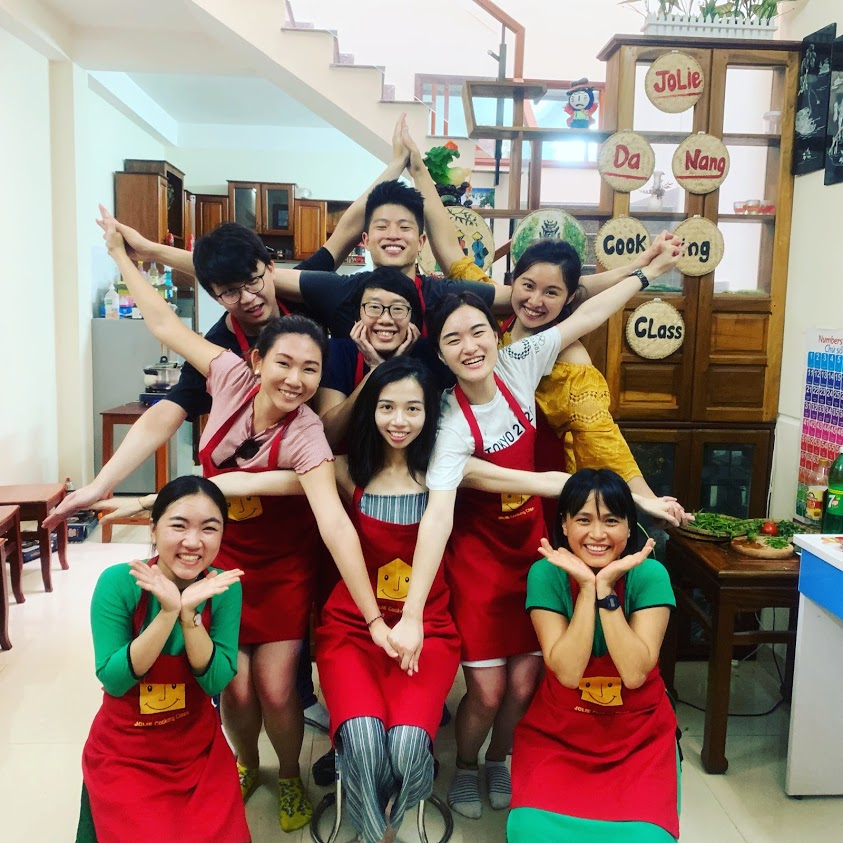
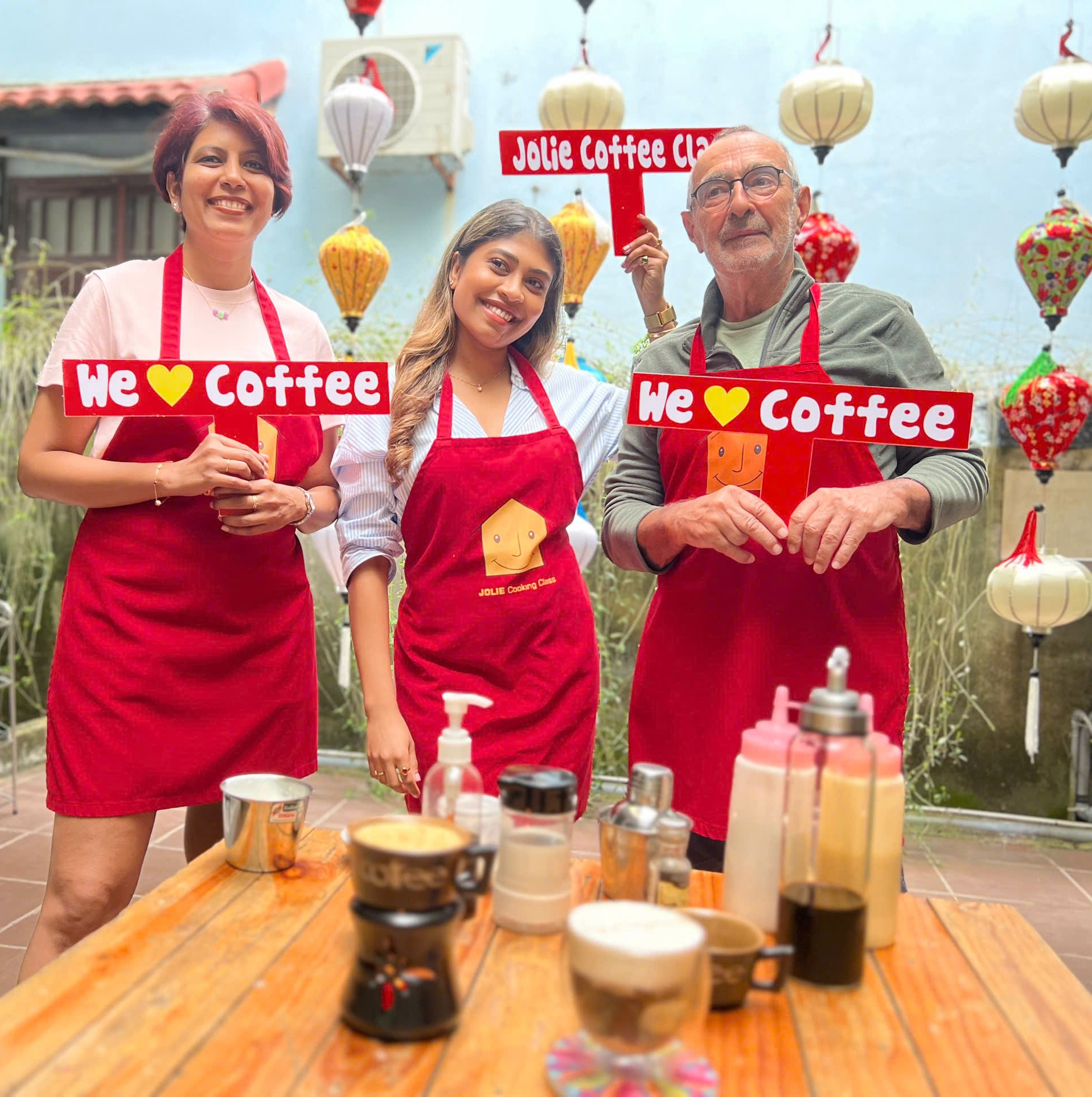
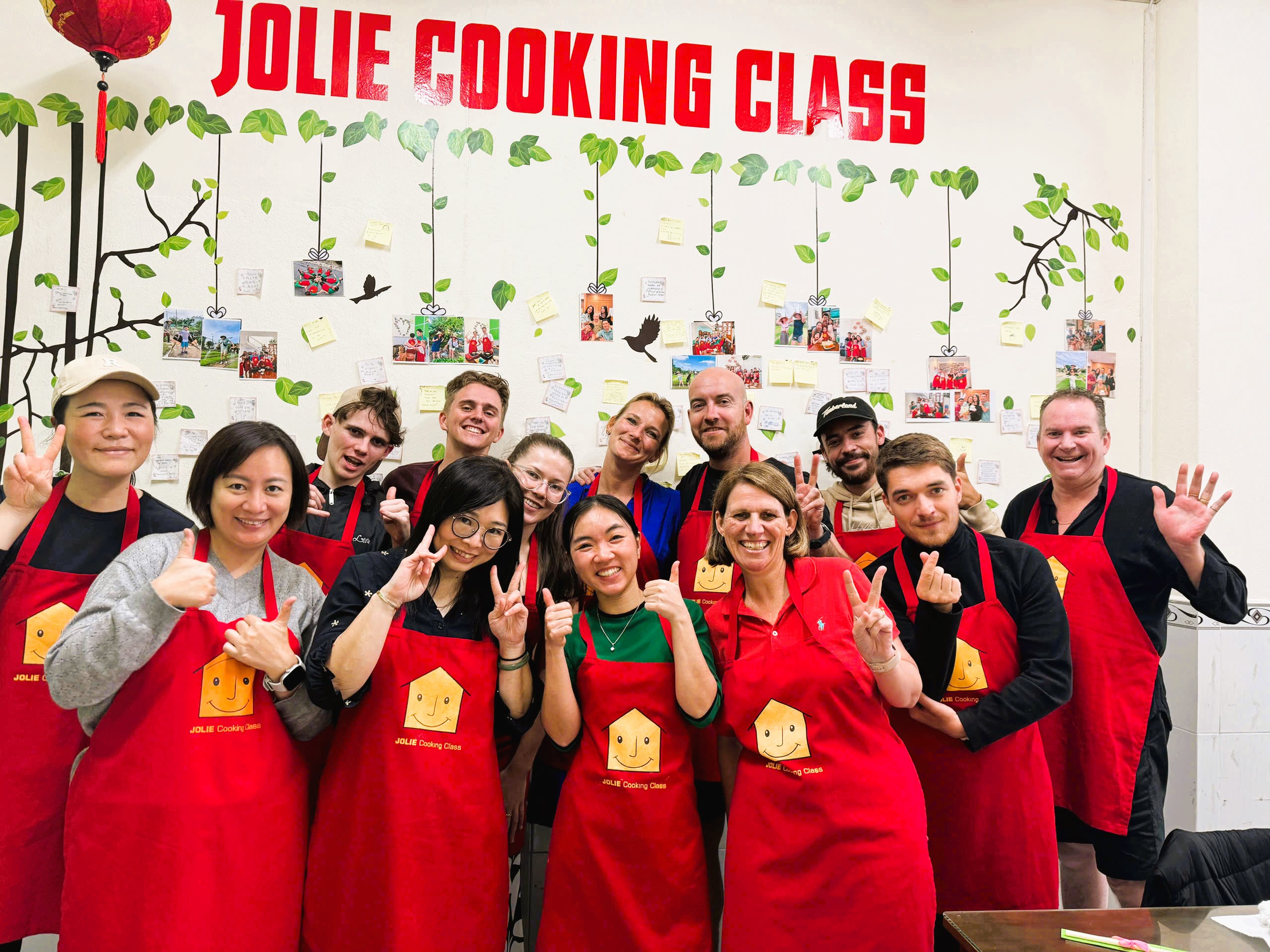
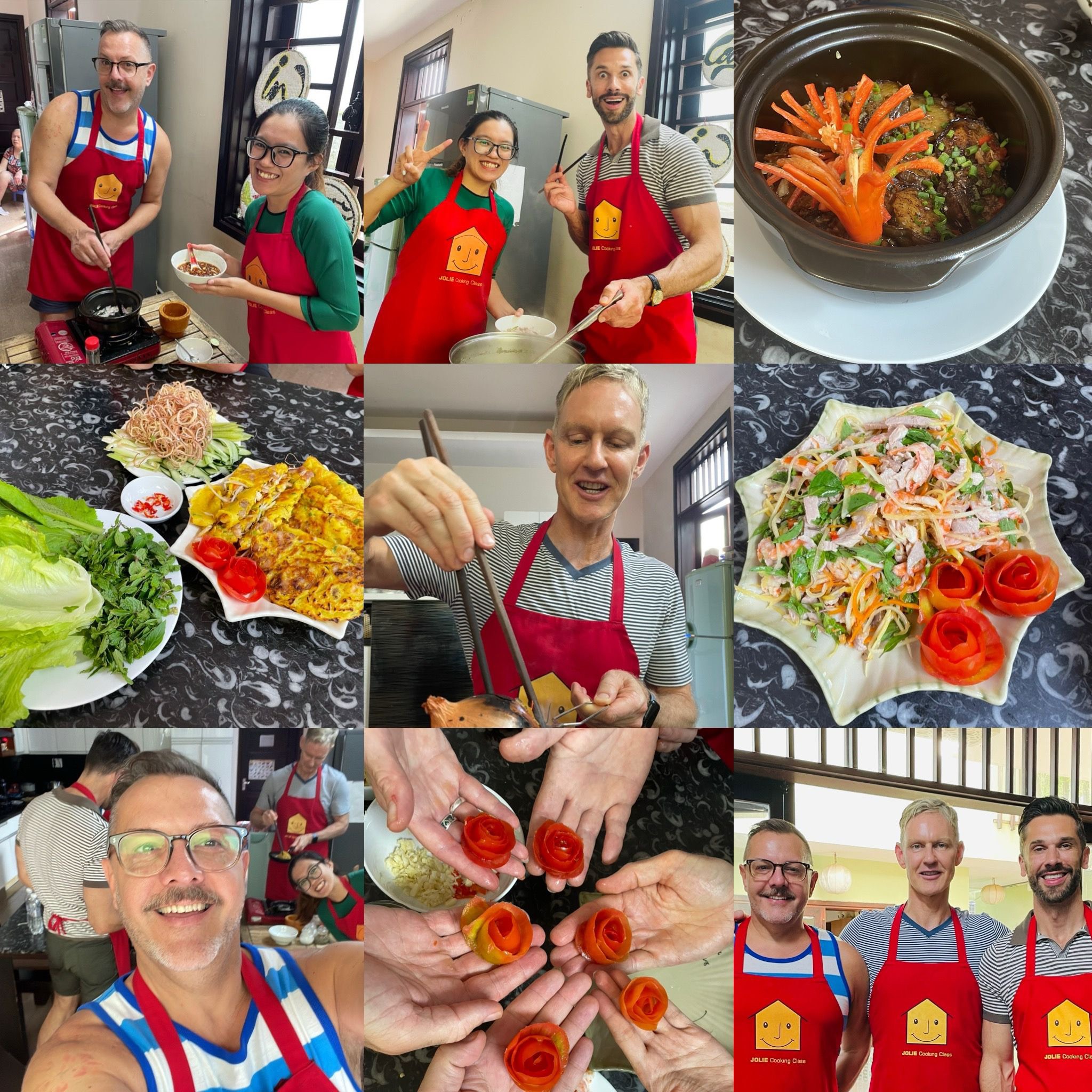
By participating in a cooking class, visitors gain hands-on experience preparing authentic dishes while learning about local ingredients, cooking methods, and cultural traditions.
Market visits, family recipes, and storytelling all contribute to a deeper appreciation of the role food plays in everyday life in Da Nang.
For many travelers, cooking classes provide a meaningful cultural connection that extends far beyond the dining table.
Food Tourism in Da Nang
In recent years, Da Nang has become one of Vietnam’s leading culinary destinations.
Travelers visit not only for the beaches and attractions but also for experiences such as:
Local food tours
Market visits
Street food exploration
Traditional cooking classes
Seafood dining experiences
Food tourism helps support local businesses while encouraging the preservation of traditional recipes and culinary knowledge.
As visitors seek more authentic travel experiences, Da Nang’s rich food culture continues to gain international recognition.
Conclusion
Food is an essential part of Da Nang’s cultural identity. It reflects the city’s history, geography, family values, and community spirit. From bustling markets and family kitchens to street food stalls and cooking classes, every culinary experience offers insight into the traditions that have shaped life in Central Vietnam.
For visitors seeking a deeper connection with the destination, exploring Da Nang through its food is one of the most rewarding experiences available. Beyond the flavors themselves, each dish reveals a story of heritage, hospitality, and the enduring importance of sharing a meal together.