 Fresh local herbs and spices used in Da Nang cuisine
One of the secrets behind the unforgettable flavors of Vietnamese cuisine is the use of fresh herbs and aromatic spices. In Da Nang, these ingredients are more than simple seasonings—they are an essential part of the region’s culinary identity.
From fragrant lemongrass and fiery chili to fresh basil and mint, local spices and herbs help create the distinctive flavors that make Central Vietnamese cuisine so special. Whether you’re enjoying a bowl of Mi Quang at a local restaurant or joining a Da Nang cooking class, you’ll quickly discover the important role these ingredients play in everyday cooking.
The Heart of Da Nang Cuisine
Da Nang’s food culture is shaped by its coastal location, fertile countryside, and centuries of culinary tradition.
Local dishes often combine fresh seafood, vegetables, herbs, and carefully balanced seasonings to create flavors that are rich yet refreshing. Unlike heavily processed ingredients, Vietnamese cooking relies on natural herbs and spices to bring dishes to life.
This focus on freshness is one reason why Vietnamese cuisine has become popular around the world.
Essential Spices in Da Nang Cooking
Lemongrass
Lemongrass is widely used in Central Vietnamese cooking. Its citrus-like aroma adds depth and freshness to grilled meats, soups, and marinades.
Many traditional recipes use lemongrass as a foundation for building flavor, especially seafood and chicken dishes.
Turmeric
Known for its vibrant golden color, turmeric is a key ingredient in several regional specialties.
One of the most famous examples is Mi Quang, where turmeric helps create the dish’s distinctive yellow noodles and earthy flavor.
Chili
Central Vietnam is known for its love of spicy food.
Fresh chili peppers and homemade chili sauces are commonly served alongside meals, allowing diners to adjust the heat according to their taste.
Fresh Herbs That Define Vietnamese Flavor
Thai Basil
Thai basil adds a slightly sweet and peppery flavor that complements many Vietnamese dishes.
It is often served fresh alongside noodle soups and spring rolls.
Mint
Mint provides a refreshing contrast to savory dishes and is frequently used in fresh rolls, salads, and dipping platters.
Cilantro
Cilantro is one of the most recognizable herbs in Vietnamese cuisine. Its bright flavor enhances soups, noodle dishes, and grilled foods.
Together, these herbs create the fresh and balanced flavors that define Vietnamese cooking.
Learning About Herbs and Spices Through a Cooking Class
One of the best ways to understand Vietnamese ingredients is through a hands-on cooking experience.
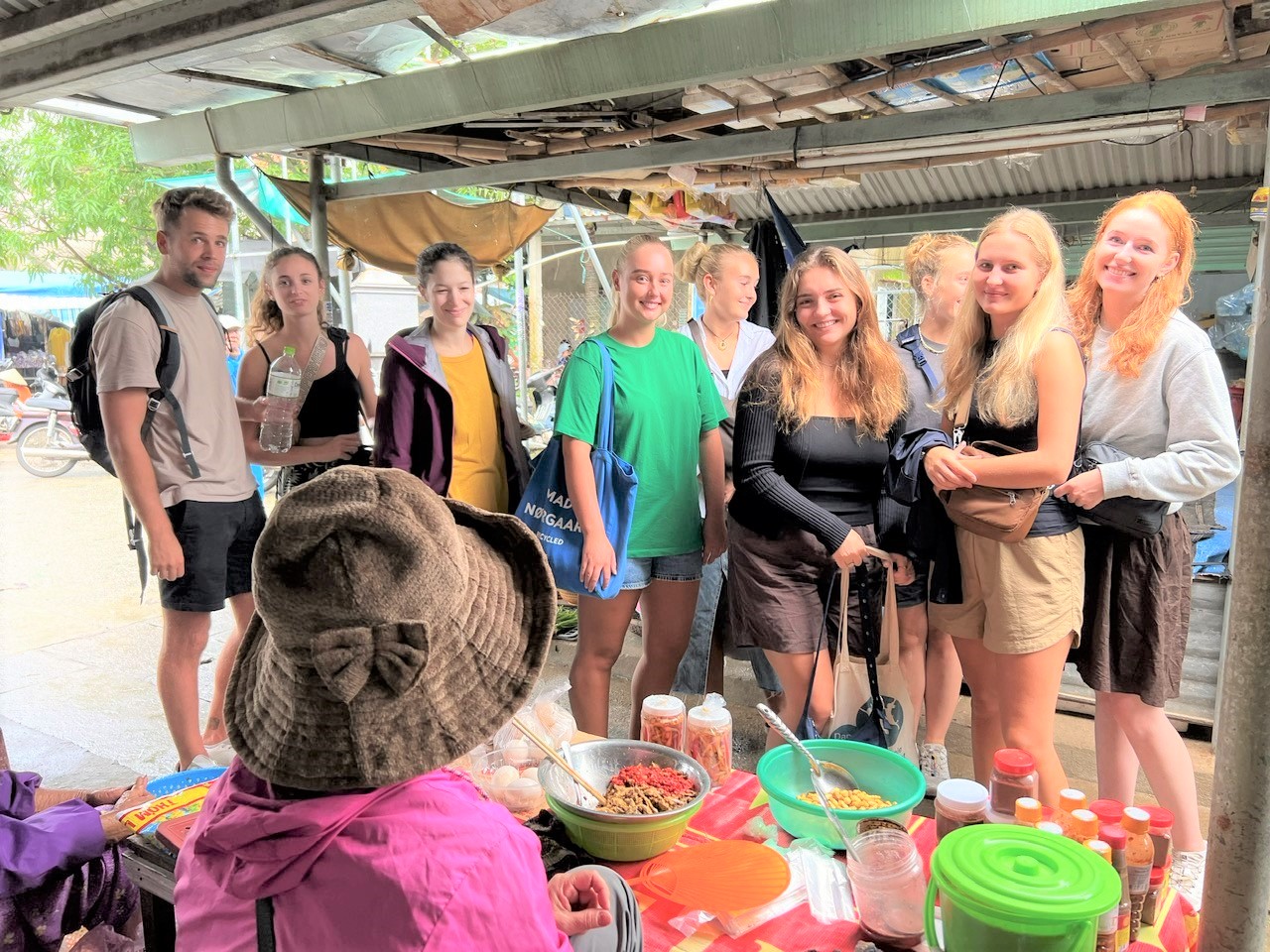
A Da Nang cooking class typically begins with a visit to a local market, where participants learn how local families select herbs, vegetables, seafood, and spices each day.
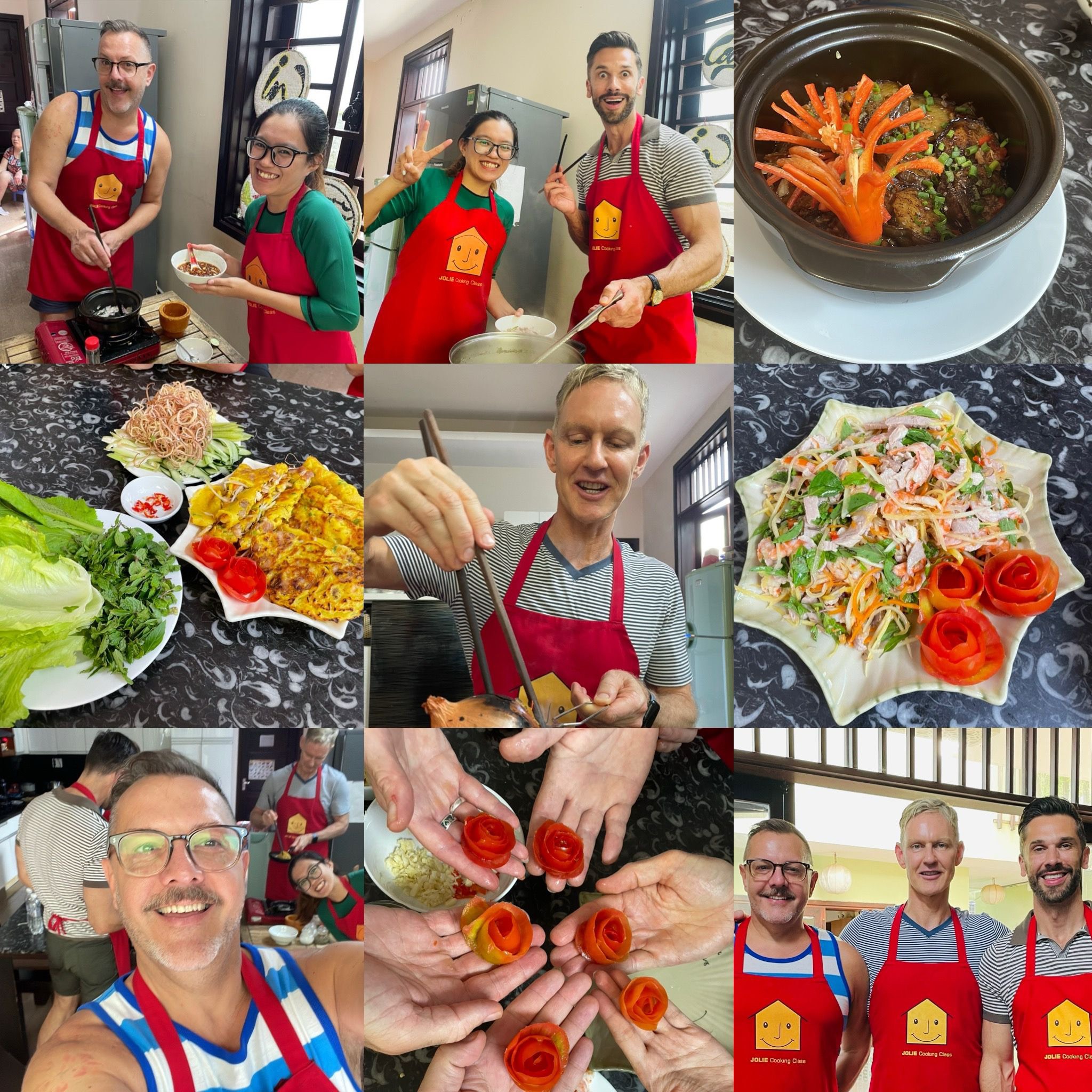
During the class, guests discover how different ingredients work together to create authentic Vietnamese flavors. They also learn practical cooking techniques that can be recreated at home.
Explore Local Markets on a Danang Cooking Tour
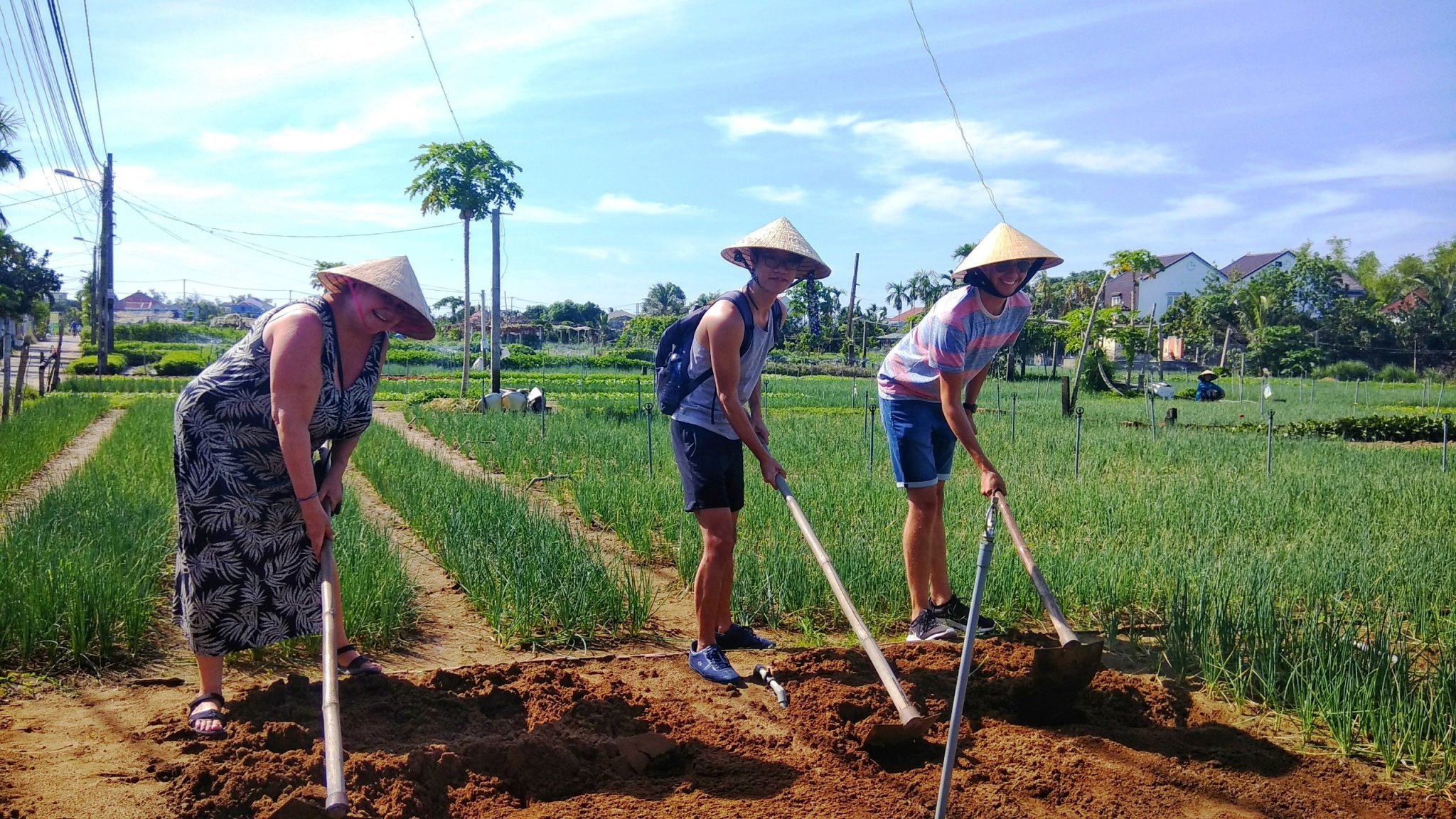
A danang cooking tour offers visitors the opportunity to see where many of these ingredients come from.
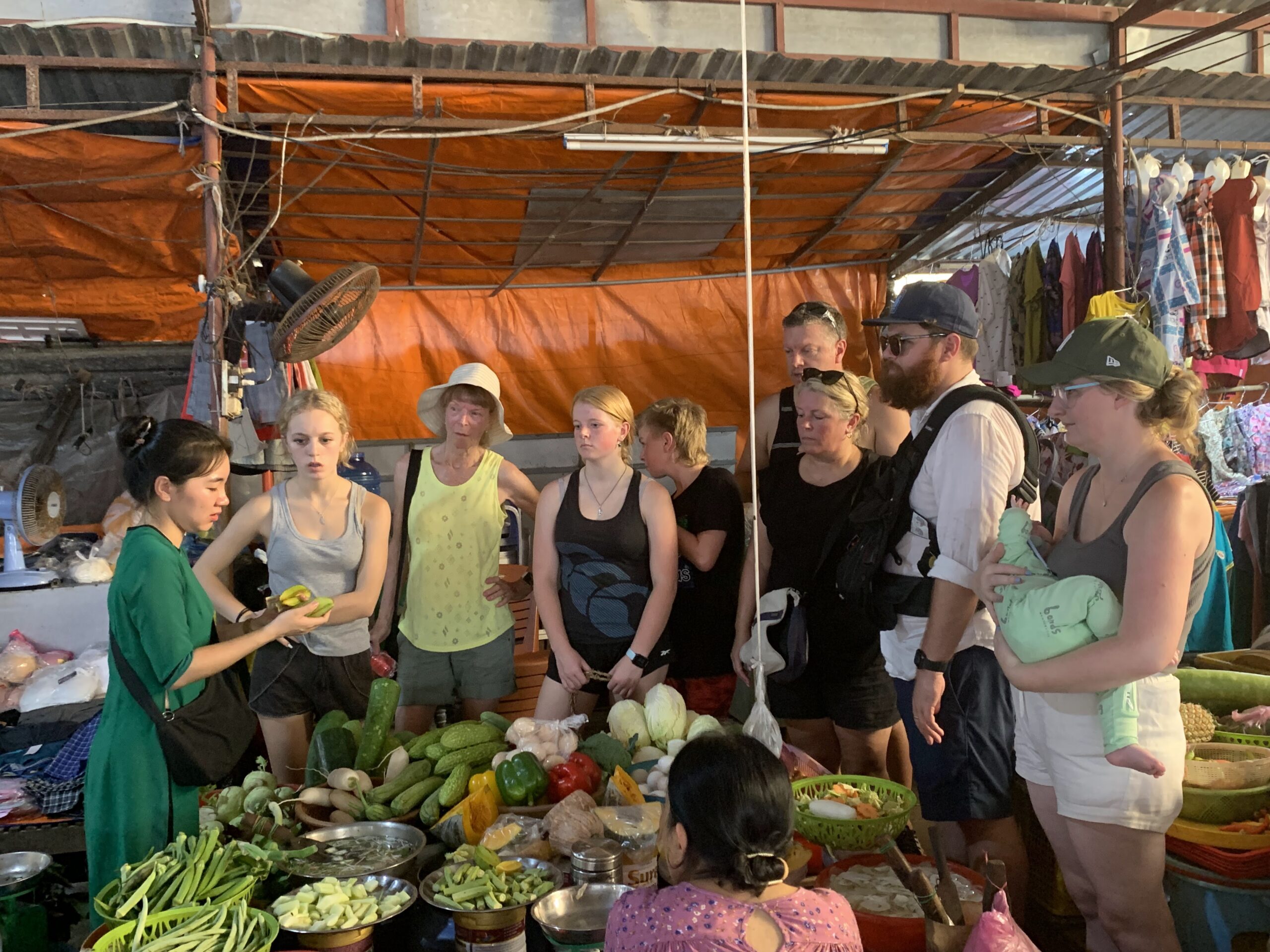
Walking through a traditional market reveals an incredible variety of fresh herbs, spices, and produce. Local guides explain how ingredients are used in everyday cooking and introduce visitors to products that may be unfamiliar outside Vietnam.
For many travelers, the market visit becomes one of the most memorable parts of the experience.
Discover Authentic Flavors on a Da Nang Food Tour
A Da Nang food tour is another excellent way to experience the city’s culinary traditions.
From street food stalls to family-run restaurants, food tours introduce visitors to dishes that showcase the region’s unique use of herbs and spices.
Whether tasting Mi Quang, Banh Xeo, Bun Cha Ca, or fresh seafood specialties, you’ll gain a deeper appreciation for the ingredients that make each dish unique.
Experience Vietnamese Cooking with Jolie Cooking Class
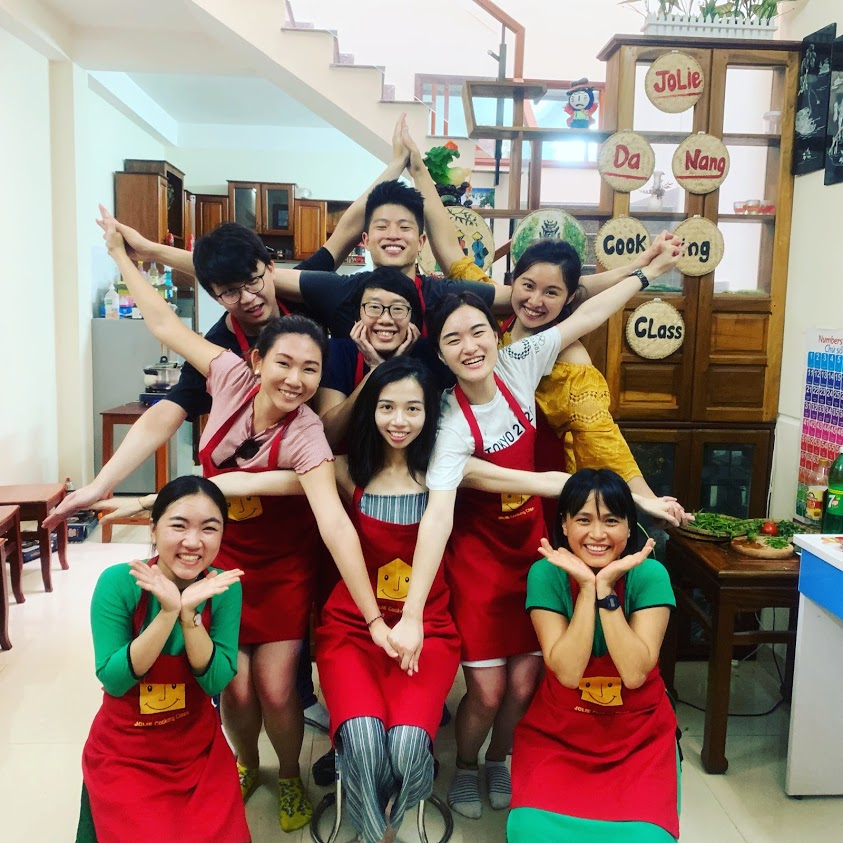
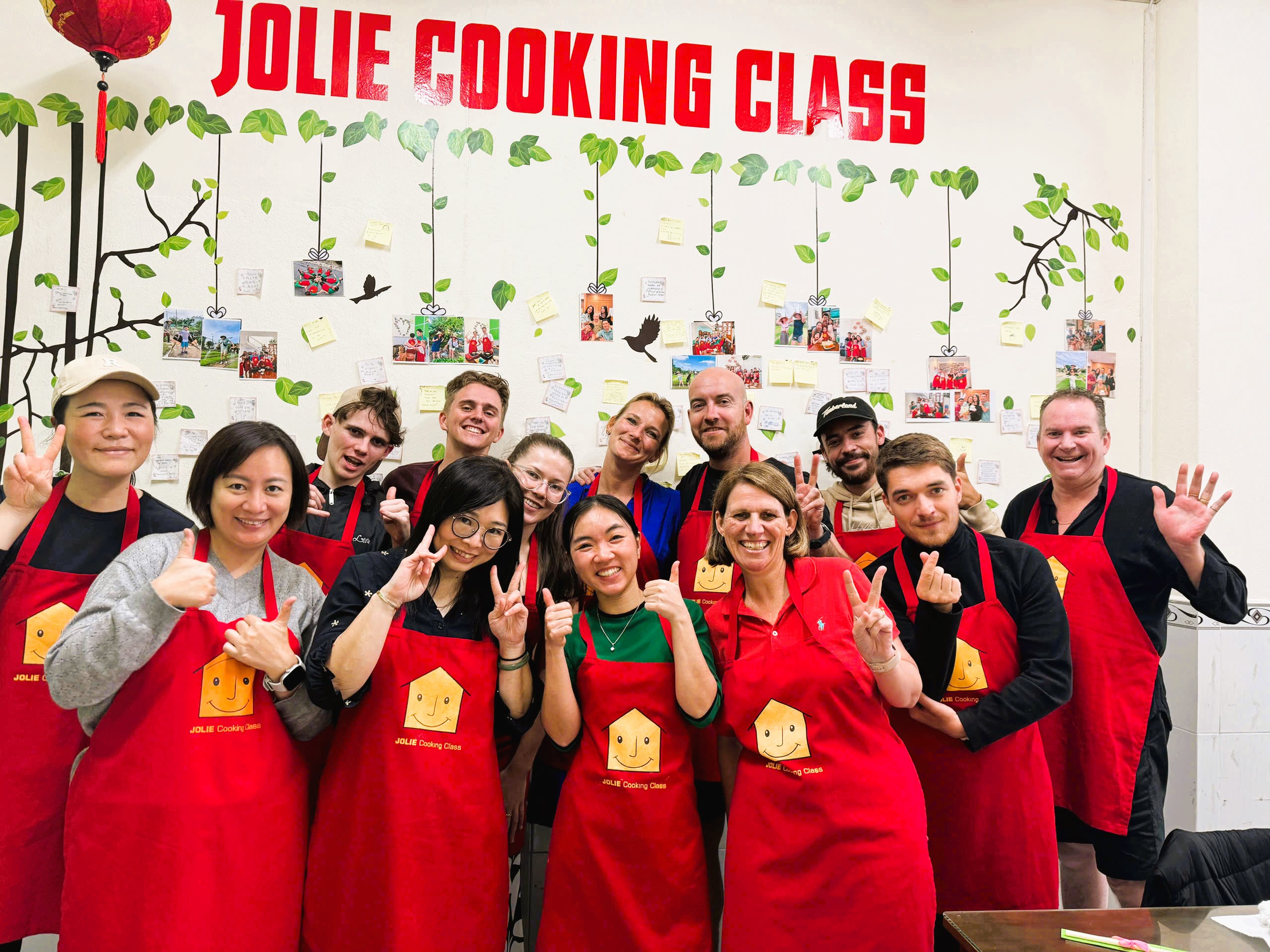
At Jolie Cooking Class, guests learn more than recipes.
Our experiences introduce visitors to local ingredients, traditional cooking techniques, and the stories behind many of Vietnam’s most beloved dishes.
Through market visits and hands-on cooking sessions, guests gain a deeper understanding of how fresh herbs and spices contribute to the authentic flavors of Vietnamese cuisine.
Final Thoughts
The local herbs and spices of Da Nang are at the heart of the city’s food culture. They bring freshness, balance, and character to every meal while preserving traditions that have been passed down through generations.
Whether you’re joining a Da Nang cooking class, exploring a danang cooking tour, or enjoying a Da Nang food tour, discovering these ingredients is one of the most rewarding ways to experience the flavors of Central Vietnam.