Hoi An is one of Vietnam’s most celebrated culinary destinations. Famous for its UNESCO-listed Ancient Town, colorful lanterns, and riverside charm, the city is equally renowned for its incredible food culture.
From hidden street food stalls and family-run eateries to vibrant night markets and cooking classes, Hoi An offers food lovers an unforgettable gastronomic adventure.
Why Hoi An is Famous for Street Food
For centuries, Hoi An served as one of Southeast Asia’s busiest trading ports. Merchants from China, Japan, and Europe brought not only goods but also culinary influences that helped shape the unique flavors of modern Hoi An cuisine.
Today, visitors can enjoy dishes that blend local traditions with international influences while maintaining their authentic Vietnamese character.
Must-Try Foods in Hoi An
Cao Lau
Cao Lau is Hoi An’s signature dish and one of the most unique noodle dishes in Vietnam.
It combines thick noodles, roasted pork, fresh herbs, bean sprouts, and crispy rice crackers with a small amount of flavorful broth.
White Rose Dumplings
Known locally as Banh Bao Banh Vac, these handmade dumplings are filled with seasoned shrimp and served with crispy shallots.
They are among the most iconic dishes in Hoi An.
Mi Quang
Originating from nearby Quang Nam Province, Mi Quang features turmeric noodles, pork, shrimp, peanuts, herbs, and a rich broth.
It remains one of Central Vietnam’s most beloved comfort foods.
Banh Mi
Hoi An is famous throughout Vietnam for its exceptional banh mi.
Fresh baguettes are filled with grilled meats, pâté, herbs, pickled vegetables, and homemade sauces that create an unforgettable flavor combination.
Fried Wontons
A local specialty influenced by Chinese cuisine, fried wontons are crispy, flavorful, and often topped with fresh vegetables and sweet-and-sour sauce.
Explore Hoi An Night Market
As the sun sets, Hoi An transforms into a lively food destination.
The Hoi An Night Market offers visitors a chance to sample:
Grilled seafood
Fresh spring rolls
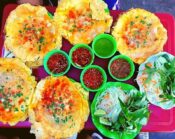
Banh Xeo (Vietnamese crispy pancakes)
Local desserts
Fresh fruit smoothies
Vietnamese coffee
Combined with colorful lantern displays and riverside views, the market creates one of the most memorable dining experiences in Vietnam.
Is Street Food Safe in Hoi An?
Yes. Hoi An is generally considered one of Vietnam’s safest destinations for street food.
For the best experience:
Choose busy vendors with high customer turnover.
Look for freshly prepared dishes.
Eat food served hot.
Follow recommendations from local guides.
Many family-run stalls have been serving the same recipes for generations and take great pride in their food quality.
Discover Hidden Food Gems with a Local Guide
While many famous dishes are easy to find, some of Hoi An’s best food experiences are hidden in small alleys and local neighborhoods.
The Hoi An Street Food Trail helps visitors discover authentic local eateries, traditional recipes, and family-run food stalls that are often overlooked by tourists.
Beyond tasting delicious food, guests learn about local culture, traditions, and the stories behind Hoi An’s most famous dishes.
Learn to Cook Vietnamese Food
After sampling local specialties, many visitors want to recreate the flavors at home.
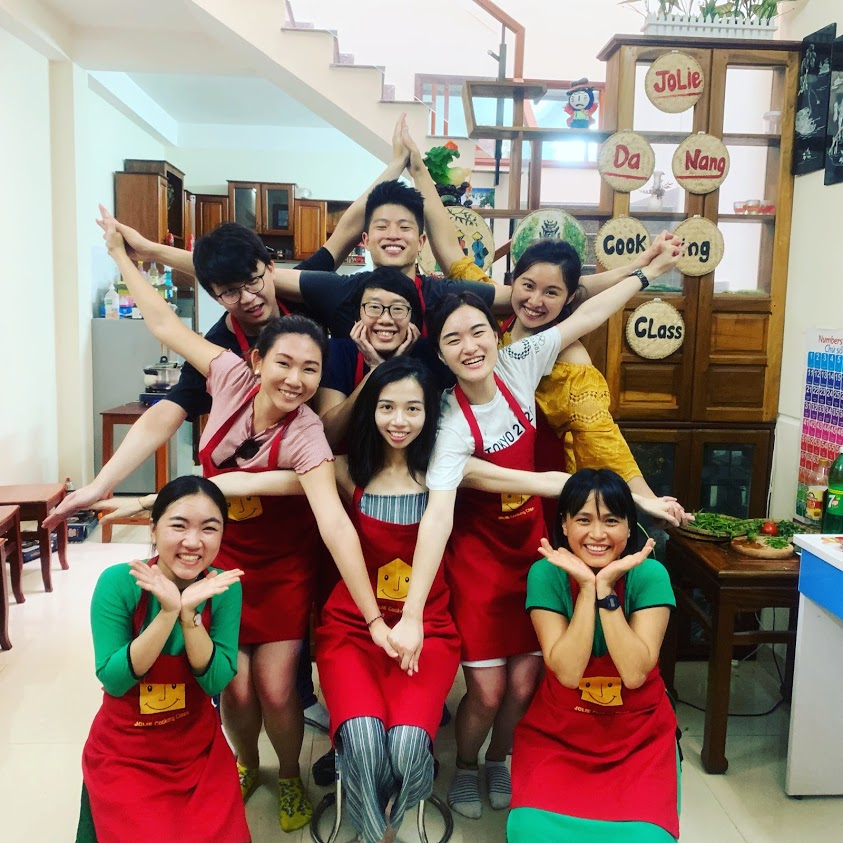
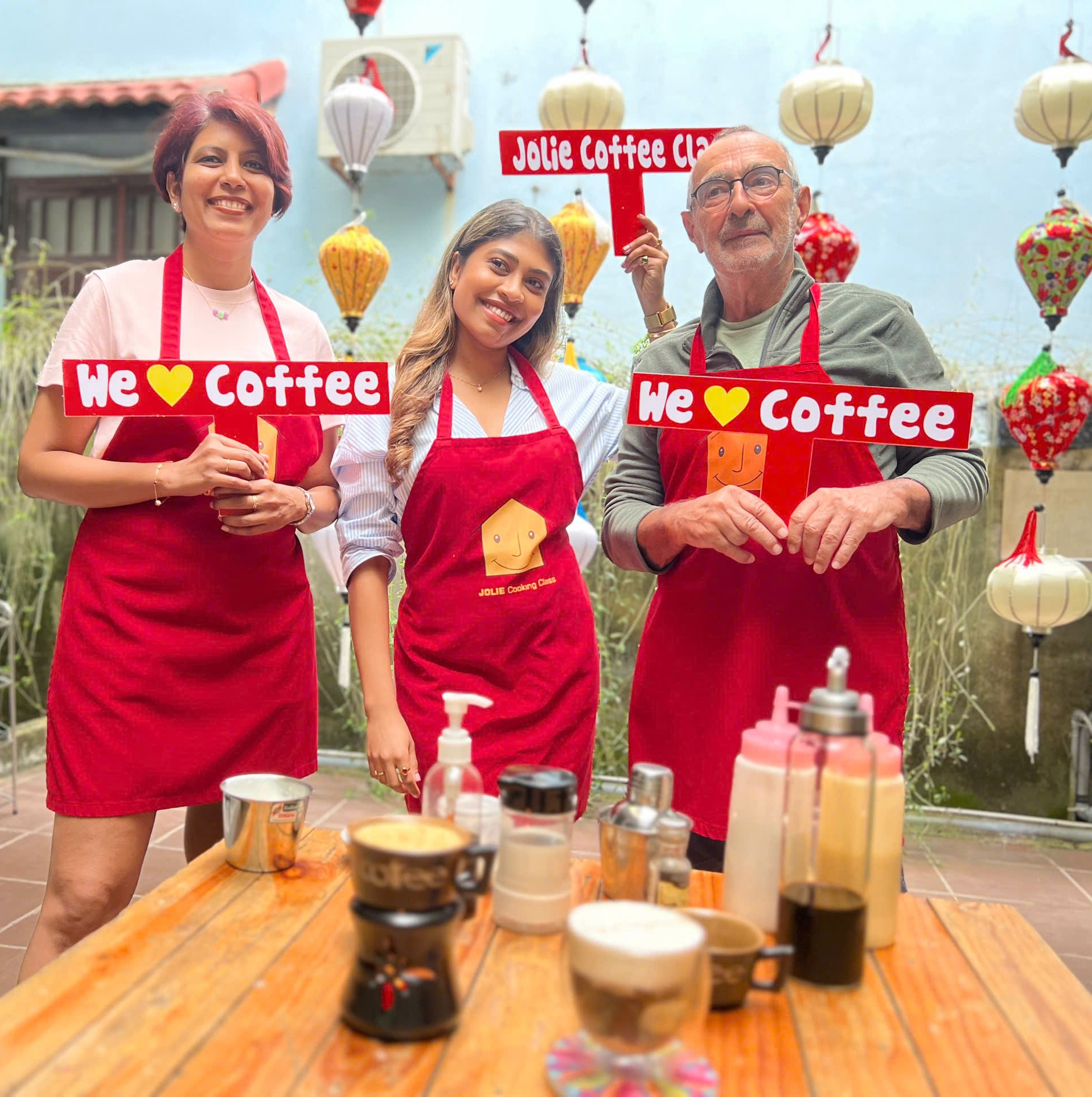
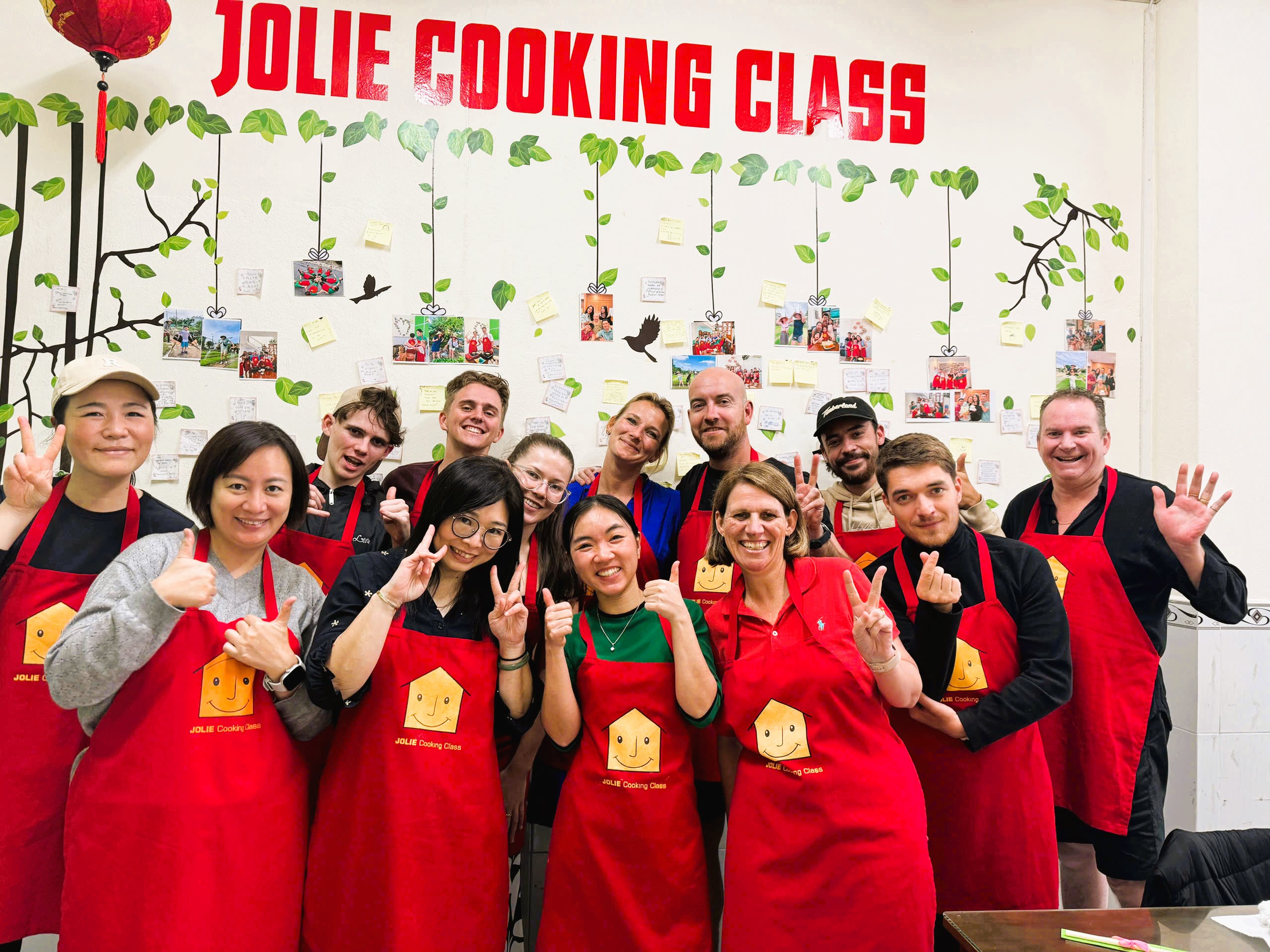
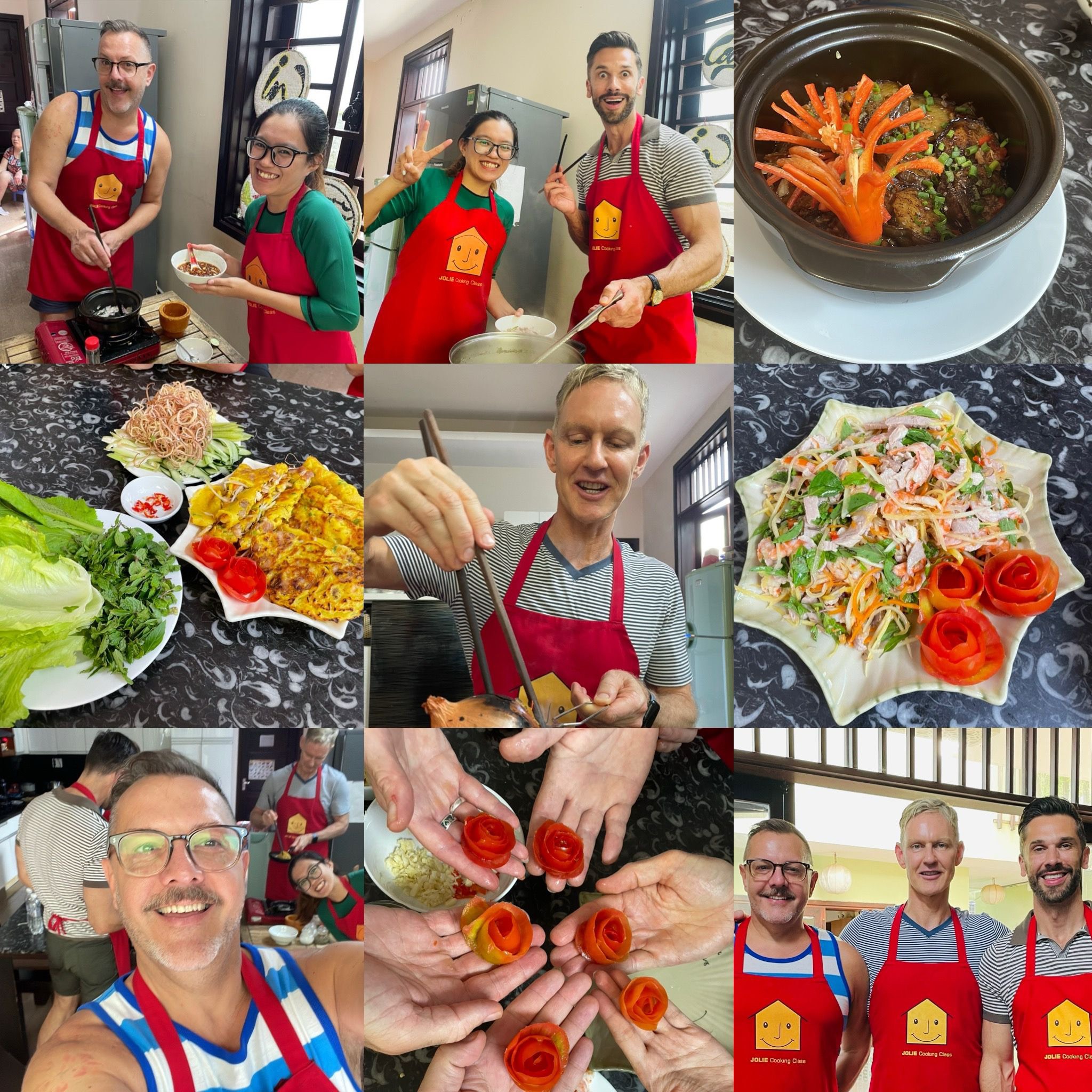
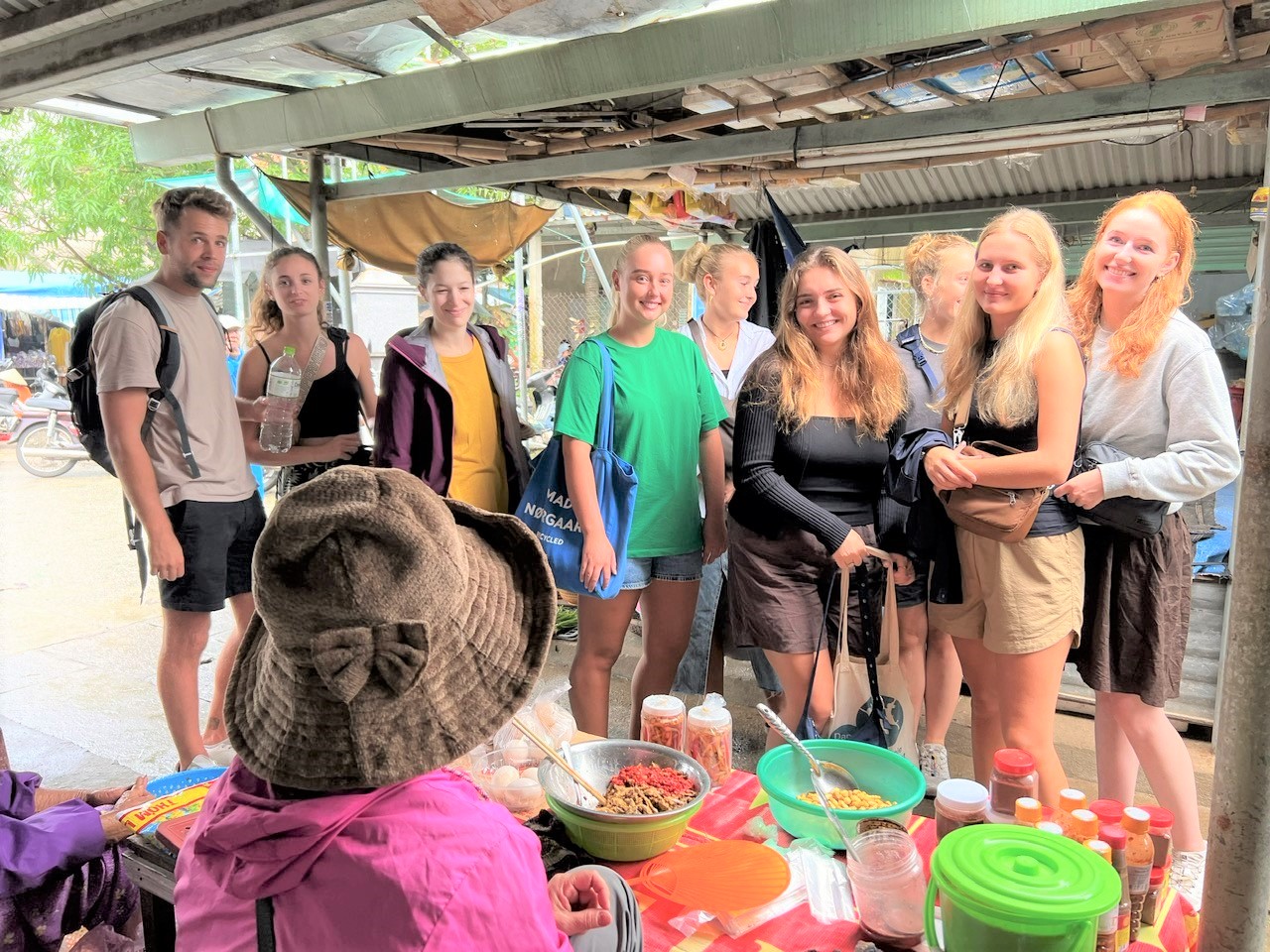
At Jolie Cooking Class, participants visit a local market before learning traditional Vietnamese cooking techniques from experienced local chefs.
Popular dishes include:
Fresh Spring Rolls
Banh Xeo
Vietnamese Salads
Traditional Dipping Sauces
Central Vietnam Specialties
It is one of the most rewarding cultural experiences available in Hoi An.
Final Thoughts
Hoi An is much more than a historic town—it is a destination where food, culture, and tradition come together.
Whether you’re enjoying a bowl of Cao Lau at a local eatery, exploring the Night Market, joining the Hoi An Street Food Trail, or learning family recipes at Jolie Cooking Class, every meal becomes part of an unforgettable journey through Vietnam’s culinary heritage.