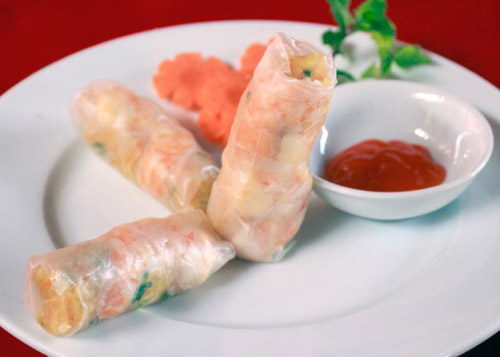
Fresh Spring Rolls
Fresh, healthy, and full of flavor, Vietnamese spring rolls are one of the country’s most beloved dishes. In Da Nang, spring rolls are more than a simple appetizer—they represent the balance, freshness, and creativity that define Vietnamese cuisine.
Whether enjoyed at a local family meal, a street food stall, or during a hands-on cooking class, spring rolls offer a delicious introduction to the culinary traditions of Central Vietnam.
Why Da Nang Spring Rolls Are Special
Known locally as Gỏi Cuốn, fresh spring rolls combine simple ingredients with careful preparation.
A traditional Da Nang spring roll typically includes:
Rice paper wrappers
Fresh herbs
Lettuce
Vermicelli noodles
Shrimp or pork
Cucumber and vegetables
Homemade dipping sauce
The result is a light yet satisfying dish that perfectly reflects Vietnam’s philosophy of balancing flavors, textures, and nutrition.
The Essential Ingredients
Rice Paper
Vietnamese rice paper provides the delicate outer layer that holds all ingredients together.
Fresh Herbs
Mint, basil, coriander, and local herbs add fragrance and freshness.
Protein
Depending on personal preference, spring rolls may contain:
Shrimp
Pork
Chicken
Tofu
Vermicelli Noodles
Soft rice noodles provide texture and help balance the fresh vegetables.
The Art of Rolling Spring Rolls
Creating perfect spring rolls requires patience and technique.
Step 1: Soften the Rice Paper
Briefly dip the rice paper into warm water until flexible.
Step 2: Arrange Ingredients
Place lettuce, herbs, noodles, vegetables, and protein neatly in the center.
Step 3: Roll Tightly
Fold the sides inward and roll firmly to create a compact roll without tearing the wrapper.
Step 4: Serve Immediately
Fresh spring rolls are best enjoyed immediately after preparation.
Traditional Vietnamese Dipping Sauces
The dipping sauce is just as important as the roll itself.
Nuoc Cham
A classic Vietnamese dipping sauce made with:
Fish sauce
Lime juice
Garlic
Chili
Sugar
This creates the perfect balance of sweet, sour, salty, and spicy flavors.
Peanut Sauce
A richer alternative made from:
Peanut butter
Hoisin sauce
Garlic
Coconut milk
Popular with both locals and international visitors.
Spring Rolls and Vietnamese Culture
Spring rolls are often served during:
Family gatherings
Tet (Vietnamese Lunar New Year)
Celebrations and festivals
Everyday meals
The process of preparing and rolling spring rolls together creates a sense of connection and community among family members and friends.
Learn to Make Authentic Spring Rolls at Jolie Cooking Class
One of the best ways to understand Vietnamese cuisine is by learning directly from local cooks.
At Jolie Cooking Class, guests discover:
How to select fresh ingredients
Traditional rolling techniques
The secrets behind Vietnamese dipping sauces
The cultural significance of Vietnamese food
Participants enjoy a hands-on experience that combines cooking, storytelling, and cultural exchange.
Why Visitors Love Learning Spring Rolls
Spring rolls are one of the easiest Vietnamese dishes to recreate at home.
They are:
Healthy
Customizable
Beautiful to present
Perfect for sharing
After learning the technique, visitors can bring a taste of Vietnam back to their own kitchens.
Final Thoughts
Da Nang spring rolls showcase everything that makes Vietnamese cuisine special: fresh ingredients, balanced flavors, and a deep connection to family traditions.
Whether you’re tasting them at a local restaurant or learning how to make them yourself at Jolie Cooking Class, spring rolls offer a delicious glimpse into the heart of Vietnamese culinary culture.