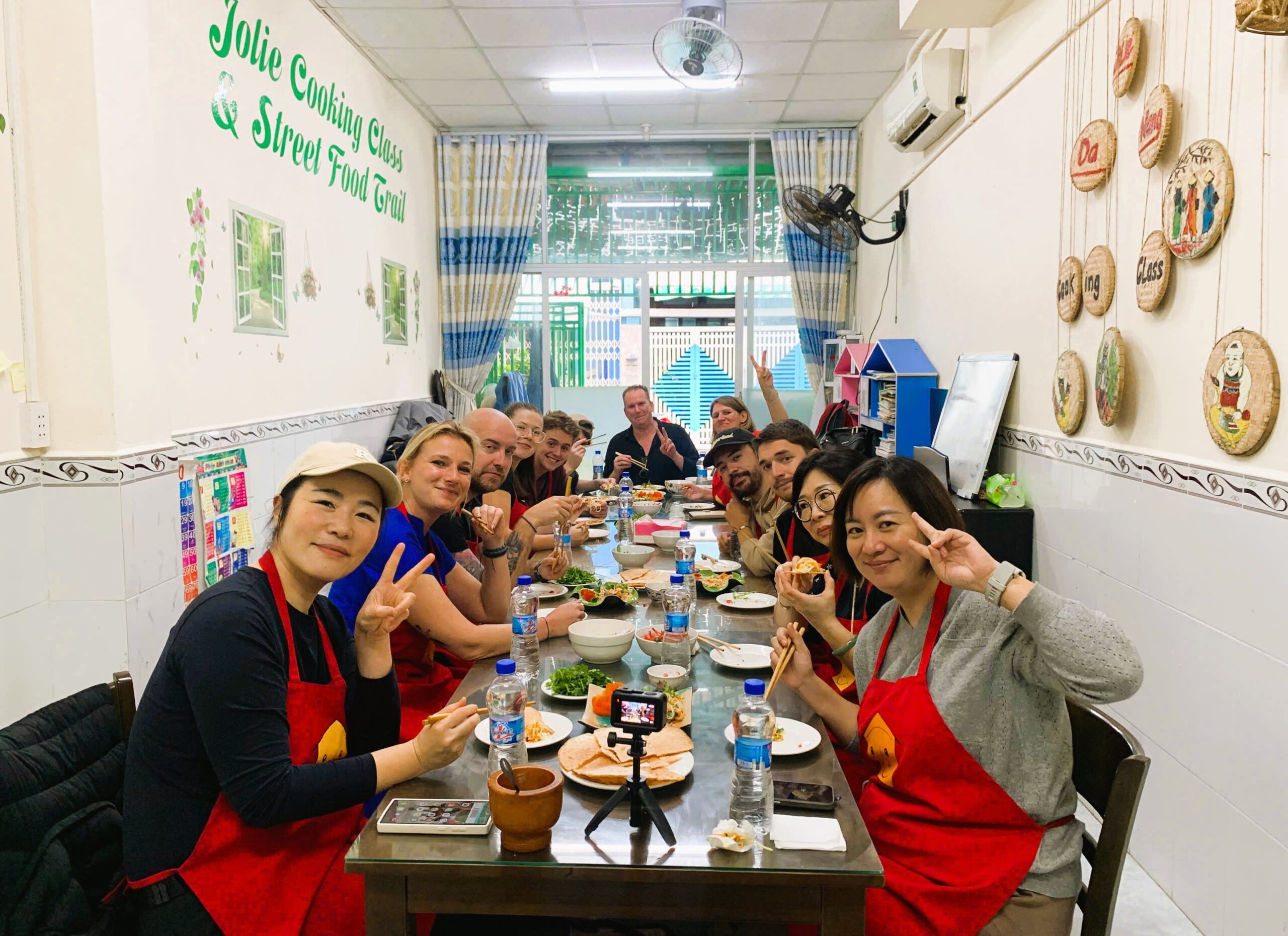
 Traditional Vietnamese family recipes being prepared in Da Nang
When travelers think about Vietnamese food, they often picture famous dishes such as pho, banh mi, or fresh spring rolls. However, the true heart of Vietnamese cuisine is often found at home, where family recipes have been passed down from one generation to the next.
In Da Nang, these treasured recipes play an important role in preserving local culture, family traditions, and the authentic flavors that make Central Vietnamese cuisine so special.
More Than Just a Recipe
For many Vietnamese families, recipes are more than a list of ingredients and cooking instructions.
They represent family memories, celebrations, and stories that connect generations. Grandparents teach parents, parents teach children, and each dish carries a piece of family history.
Many traditional recipes are never written down. Instead, cooking techniques and secret ingredients are shared through observation, practice, and years of experience.
Preserving Local Food Culture
Da Nang’s cuisine reflects the region’s unique history, geography, and lifestyle.
Family recipes help preserve local specialties such as:
Mi Quang
Bun Cha Ca
Banh Xeo
Fresh seafood dishes
Traditional dipping sauces
These dishes have remained popular because families continue to prepare and share them at home.
Without these traditions, many authentic flavors could gradually disappear as modern lifestyles change.
The Importance of Fresh Local Ingredients
One reason family recipes remain so special is their connection to local ingredients.
Traditional cooks often visit neighborhood markets each morning to select fresh vegetables, herbs, seafood, and spices.
Many recipes rely on ingredients that have been used in Central Vietnam for generations, creating flavors that cannot easily be replicated elsewhere.
This strong connection between local markets and home cooking remains an important part of daily life in Da Nang.
Traditional Cooking Techniques
Family recipes also preserve traditional cooking methods that contribute to authentic flavor.
Many dishes are prepared using techniques such as:
Slow simmering
Grilling over charcoal
Hand-made sauces
Fresh herb preparation
Traditional seasoning methods
These techniques are often passed down within families and continue to shape the character of Da Nang cuisine today.
Learning Through Cooking Experiences
For visitors, joining a cooking class is one of the best ways to discover the stories behind Vietnamese food.
Rather than simply tasting local dishes, guests can learn about the ingredients, traditions, and family influences that have shaped Vietnamese cuisine for generations.
Cooking experiences often begin with a market visit, where participants gain insight into the ingredients that form the foundation of many family recipes.
Discover Family Traditions with Jolie Cooking Class
At Jolie Cooking Class, we believe that food tells a story.
Our cooking experiences introduce guests to traditional Vietnamese recipes, local ingredients, and the cultural traditions that have influenced family cooking throughout Central Vietnam.
By learning how local dishes are prepared, visitors gain a deeper appreciation for the people, families, and traditions behind every meal.
Final Thoughts
The true spirit of Da Nang cuisine can often be found in family kitchens, where recipes have been lovingly preserved and shared for generations.
These recipes represent more than food—they reflect culture, heritage, and family connections that continue to shape Vietnamese life today.
For travelers seeking an authentic cultural experience, understanding the importance of family recipes offers a meaningful way to connect with the rich culinary traditions of Da Nang.