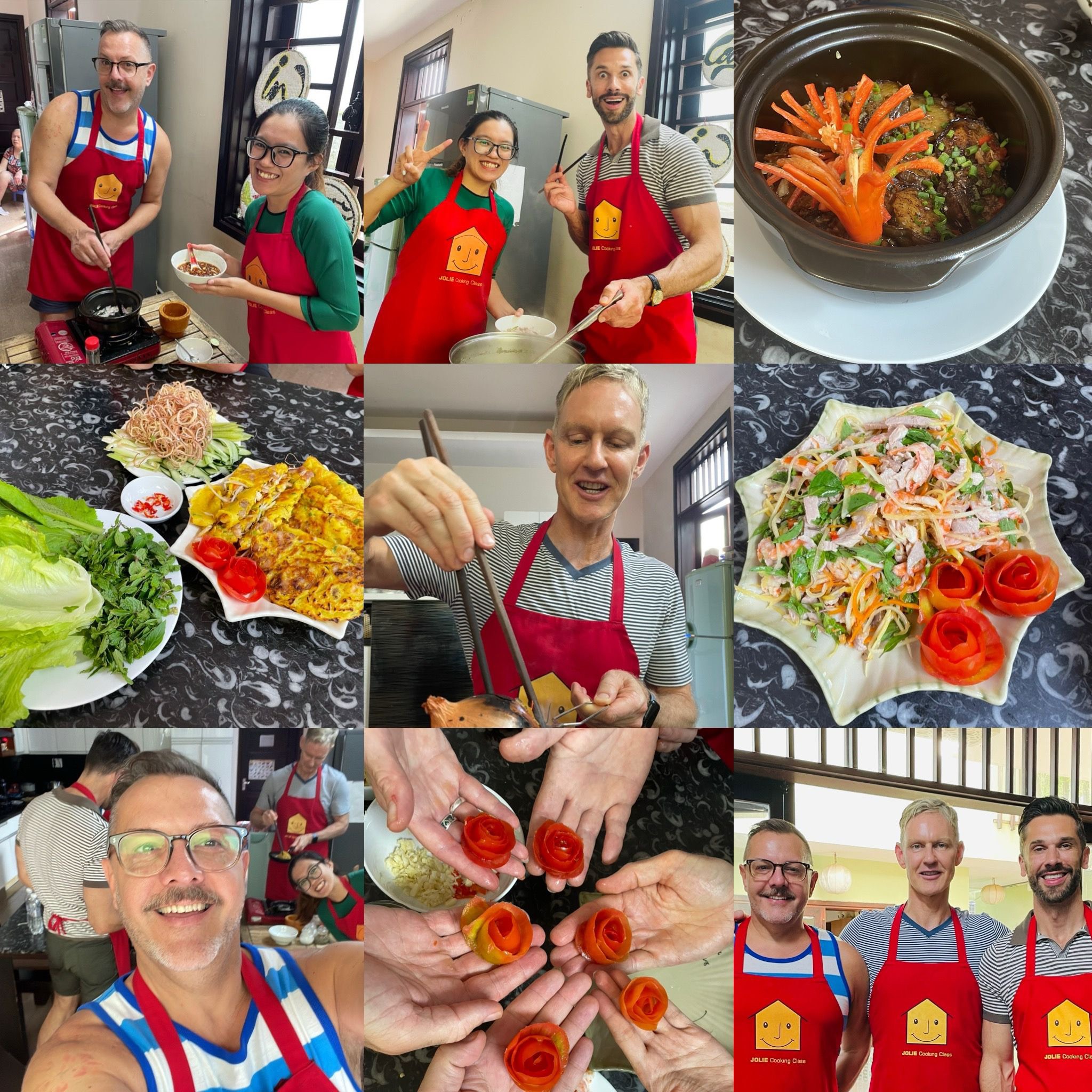
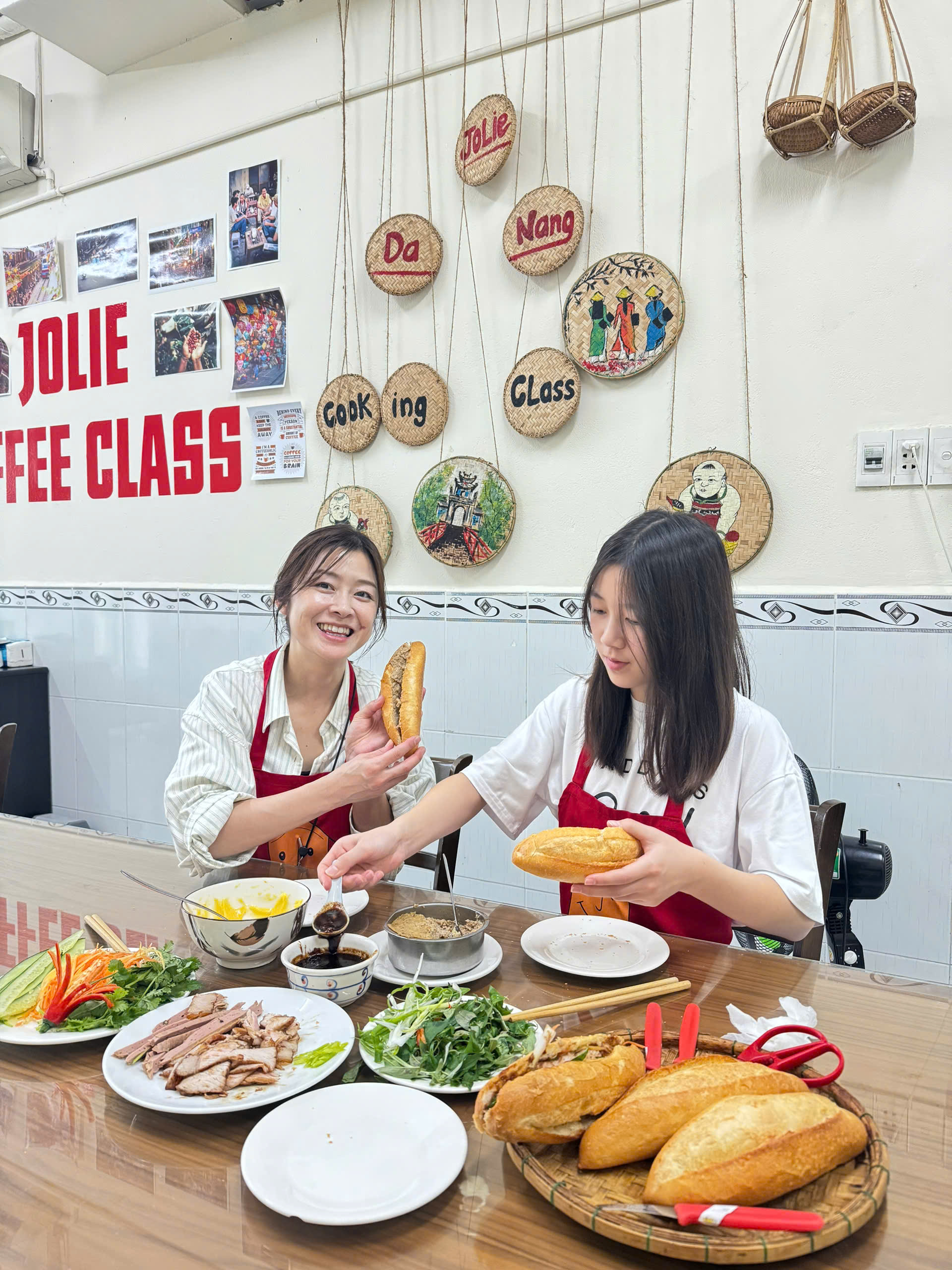
 Guests enjoying a hands-on cooking class in Da Nang
Da Nang is famous for its beautiful coastline, vibrant culture, and incredible food. While many visitors come for the beaches and attractions, one of the most rewarding experiences is discovering the city through its cuisine.
Joining a Da Nang cooking class is more than learning recipes. It is an opportunity to explore local culture, visit traditional markets, and experience the flavors that make Vietnamese cuisine one of the world’s most loved culinary traditions.
Discover Vietnamese Cuisine Through Experience
Food plays an important role in everyday life throughout Vietnam. Each dish reflects local ingredients, family traditions, and regional cooking techniques that have been passed down for generations.
A cooking class allows visitors to move beyond simply tasting food and learn how authentic Vietnamese dishes are prepared from start to finish.
Visit a Traditional Local Market
Many cooking experiences begin with a visit to a local market.
Here, guests can explore stalls filled with fresh vegetables, herbs, seafood, spices, and seasonal ingredients. Market visits provide valuable insight into daily life in Da Nang while helping participants understand the ingredients that form the foundation of Vietnamese cooking.
Learning how local people shop and select ingredients is often one of the most memorable parts of the experience.
Learn to Cook Traditional Vietnamese Dishes
During a cooking class, participants have the opportunity to prepare some of Vietnam’s most popular dishes.
Depending on the menu, you may learn how to make:
Banh Xeo
A crispy Vietnamese pancake filled with fresh ingredients and served with herbs and dipping sauce.
Fresh Spring Rolls
Light and healthy rice paper rolls packed with vegetables, herbs, and traditional flavors.
Mi Quang
A famous Central Vietnamese noodle dish known for its rich flavors and colorful presentation.
Local Da Nang Specialties
Many classes also introduce regional dishes that showcase the unique culinary identity of Central Vietnam.
Learn from Local Experts
One of the highlights of joining a cooking class is learning directly from local instructors.
Beyond recipes, guests gain valuable knowledge about cooking techniques, ingredient selection, food traditions, and cultural customs that influence Vietnamese cuisine.
These insights help create a deeper appreciation for every dish.
Connect with Local Culture
Cooking classes offer more than culinary instruction.
They create opportunities to meet local people, hear personal stories, and better understand Vietnamese traditions through food.
For many travelers, these cultural connections become some of the most meaningful memories of their trip.
Join Jolie Cooking Class in Da Nang
At Jolie Cooking Class, we believe that food is one of the best ways to experience Vietnam.
Our cooking experiences combine local market visits, hands-on cooking lessons, authentic recipes, and cultural storytelling to create an enjoyable and memorable experience for travelers of all ages.
Whether you’re traveling alone, with friends, or as a family, our classes provide a welcoming environment where everyone can learn, cook, and enjoy delicious Vietnamese food together.
Take the Flavors of Vietnam Home
One of the greatest benefits of joining a cooking class is the ability to recreate your favorite dishes after returning home.
With practical cooking skills, authentic recipes, and a deeper understanding of Vietnamese ingredients, you can continue your culinary journey long after your visit to Da Nang.
Final Thoughts
A Da Nang cooking class is more than a meal or a lesson. It is a journey through local culture, traditions, and flavors that offers a deeper connection to Vietnam.
For travelers seeking an authentic and memorable experience, learning to cook Vietnamese food is one of the most rewarding activities in Da Nang.