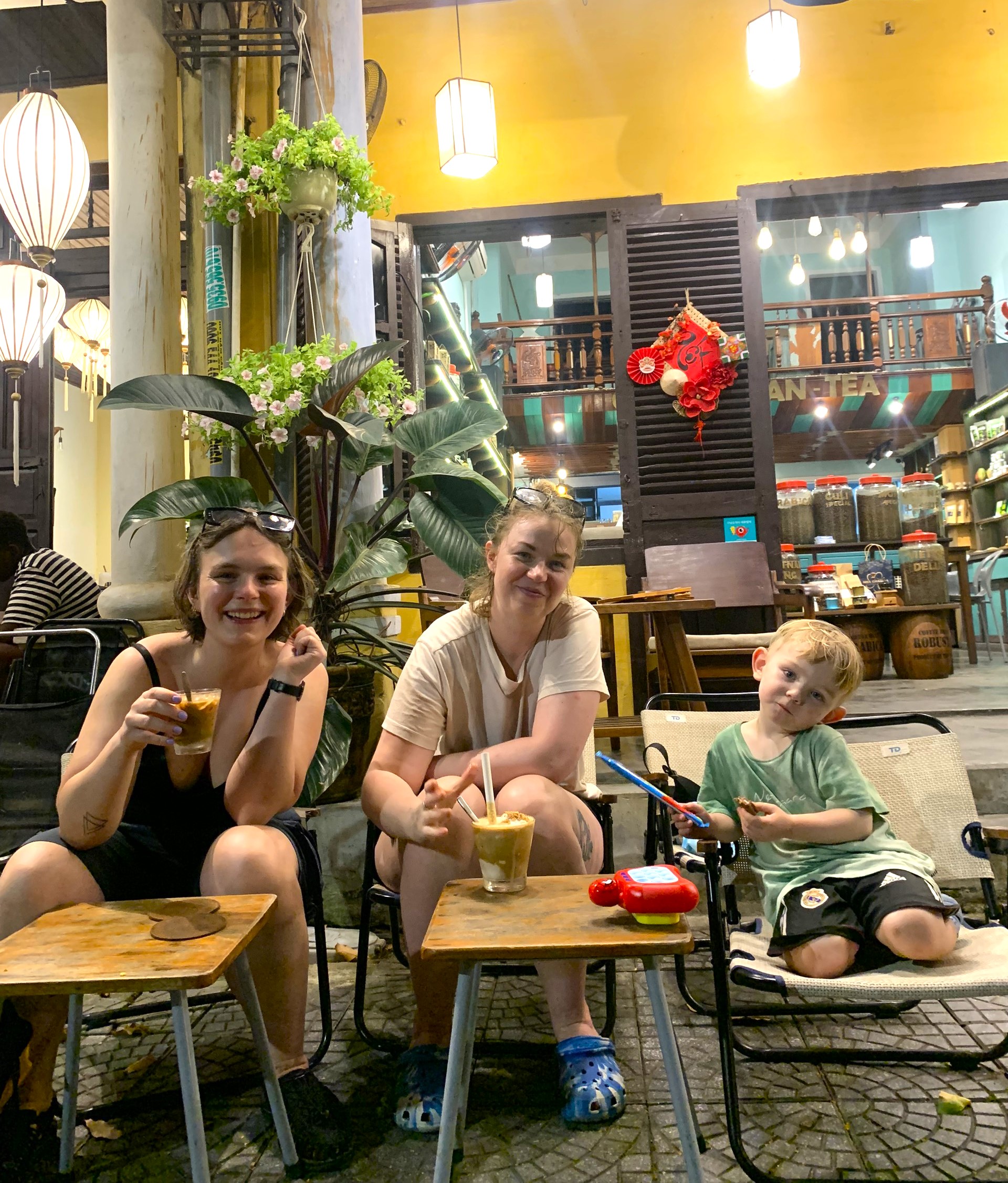
 Traditional Vietnamese desserts and sweet treats in Da Nang
When people think of Vietnamese cuisine, they often picture savory dishes such as pho, banh mi, or Mi Quang. However, Vietnam also has a rich tradition of desserts and sweet treats that are enjoyed throughout the country.
In Da Nang, local desserts reflect the region’s love of fresh ingredients, natural sweetness, and traditional recipes passed down through generations. Exploring these sweet creations offers a delicious way to discover another side of Vietnamese food culture.
The Sweet Side of Da Nang Cuisine
Desserts in Central Vietnam are often lighter and less sugary than many Western sweets.
Common ingredients include:
Coconut milk
Sticky rice
Mung beans
Tapioca pearls
Fresh tropical fruits
Sesame seeds
These simple ingredients are transformed into desserts that are both flavorful and refreshing.
Popular Traditional Vietnamese Desserts
Che (Vietnamese Sweet Soup)
Che is one of Vietnam’s most beloved desserts.
Available in many variations, it may include beans, coconut milk, jelly, fruits, or sticky rice. Served hot or cold, che is a favorite treat enjoyed by both locals and visitors.
Banh Chuoi
Banh Chuoi, or Vietnamese banana cake, combines ripe bananas with coconut milk and rice flour to create a soft and fragrant dessert.
It is often enjoyed as an afternoon snack or served with tea.
Sticky Rice Desserts
Sticky rice plays an important role in Vietnamese sweets.
Depending on the recipe, it may be combined with coconut, sesame seeds, beans, or tropical fruits to create comforting and satisfying desserts.
Traditional Ingredients Behind Vietnamese Sweets
One of the reasons Vietnamese desserts are so distinctive is the use of fresh local ingredients.
Coconut milk adds richness, while tropical fruits contribute natural sweetness and vibrant flavors.
Many recipes also rely on ingredients commonly found in local markets, connecting desserts to everyday life in Vietnam.
Learn to Make Vietnamese Desserts in a Cooking Class
For travelers interested in Vietnamese cuisine, learning how to prepare traditional desserts can be a rewarding experience.
A Da Nang cooking class often introduces participants to local ingredients, cooking techniques, and traditional recipes that have been preserved through generations.
Guests gain hands-on experience while discovering the cultural significance of the dishes they create.
Explore Local Markets for Sweet Ingredients
Many cooking experiences begin with a visit to a traditional market.
Here, visitors can see the fresh fruits, beans, rice products, and coconut ingredients commonly used in Vietnamese desserts.
This market experience provides valuable insight into how local families shop and prepare food each day.
Discover Vietnamese Food Culture Through Cooking
A danang cooking tour offers more than cooking instruction.
Participants learn about local traditions, family recipes, and the role food plays in Vietnamese culture. Understanding the ingredients behind traditional desserts helps visitors appreciate the creativity and history behind each recipe.
Experience Local Flavors on a Da Nang Food Tour
A Da Nang food tour is another excellent way to discover the city’s sweet treats.
From local dessert stalls to family-run eateries, visitors can sample a variety of traditional sweets while learning about their origins and cultural importance.
These experiences help showcase the diversity of Vietnamese cuisine beyond its famous savory dishes.
Discover Vietnamese Desserts with Jolie Cooking Class
At Jolie Cooking Class, guests have the opportunity to explore authentic Vietnamese ingredients and cooking techniques in a fun and interactive environment.
Alongside traditional savory dishes, visitors gain a deeper appreciation for the flavors, traditions, and culinary stories that make Vietnamese food unique.
Final Thoughts
Traditional desserts and sweet treats are an important part of Da Nang’s culinary heritage.
From refreshing bowls of che to comforting banana cakes and coconut-based desserts, these recipes offer a delicious introduction to Vietnamese culture and family traditions.
Whether you’re joining a Da Nang cooking class, participating in a danang cooking tour, or exploring local flavors on a Da Nang food tour, discovering Vietnam’s sweet side is an experience worth savoring.